

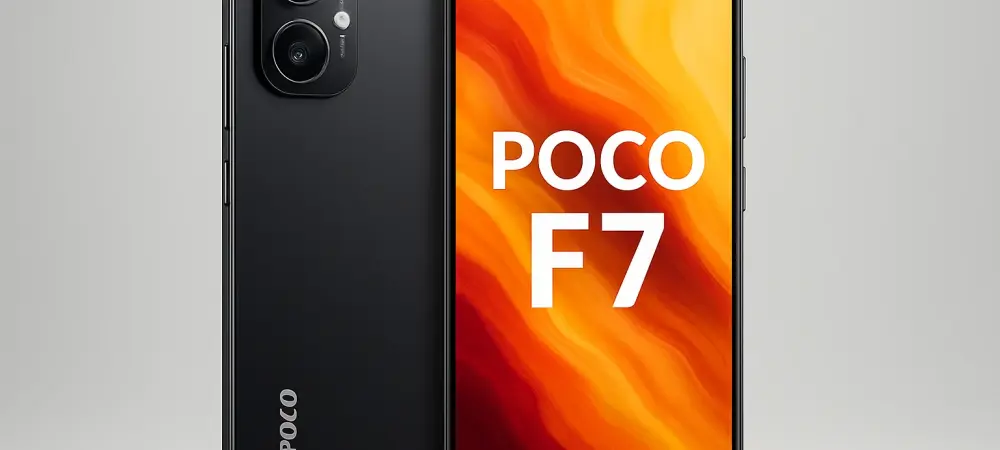
The launch of a new smartphone always garners considerable attention in today’s fast-paced tech world. The Poco F7, armed with cutting-edge features and the latest innovations, presents a compelling choice for performance enthusiasts. Exploring Poco F7’s offerings—an intersection of high performance, user-centric design, and advanced technological integration—this review aims to understand how it fits into the ever-evolving smartphone landscape by delving into design aspects, performance metrics, and overall usability. This evaluation will provide insights into whether this device can meet consumer needs in a saturated market.
Design and Features
Poco F7’s design stands out through its sleek appearance and functional enhancements, with leaked images revealing a sophisticated black variant accentuated by a unique rear camera module. Incorporating two lenses divided by diagonal lines and a raised feature hints at a possible dual-tone finish adding to its modern appeal. The device not only promises style but also builds on the brand’s tradition of delivering reliable, high-performance smartphones focused on intuitive operation. Engineered for flexibility, the Poco F7 is driven by a Snapdragon 8s Gen 4 processor coupled with an impressive 12GB RAM, aiming to provide smooth multitasking capabilities and unparalleled speed.
Beyond mere aesthetics, the Poco F7’s build assures durability while accommodating essential contemporary features. Its robust chipset and efficient memory combination form the backbone of high-end performance. Additionally, the handset is equipped with a hefty 7,550mAh battery, supporting 90W fast charging, suggesting a capacity for sustained use, reputedly offering over two days of moderate usage on a single charge, thus conferring substantial autonomy. Strategic inclusion of 22.5W reverse wired charging also highlights the device’s versatility, making it a suitable companion for power users who seek a blend of capability and longevity.
Performance Evaluation
Evaluating the Poco F7’s performance necessitates considering key metrics such as processing speed and camera excellence. Underneath its sleek exterior, the phone’s Snapdragon 8s Gen 4 chipset delivers commendable processing power, enabling efficient handling of resource-intensive applications without lag. Complemented by 12GB of RAM, the device ensures a seamless user experience even when multitasking or using graphics-heavy apps. Such specifications position it as an attractive option for users who value speed and power in their daily activities or professional needs.
Battery endurance is undeniably one of Poco F7’s strengths. Its formidable capacity not only supports intensive users but also caters to those less inclined to frequent charging. The camera system further contributes to its appeal, with quality lenses promising vibrant photography, capturing details vividly in various lighting conditions. The performance is solidified by potential integration of Android 15, showcasing forward-thinking software development geared towards maximizing user satisfaction and simplifying interface interactions.
Pros and Cons
The Poco F7 impresses with its suite of advanced features and practical design. Among its strengths are the powerful Snapdragon 8s Gen 4 processor and the extensive 12GB RAM, which together assure excellent multitasking capabilities. The longevity of the 7,550mAh battery with quick charging options enhances the device’s reliability, appealing to users demanding robust battery life. Additionally, planned support of Android 15 hints at continued relevance and enhanced software compatibility, future-proofing against rapid tech innovations.
Nevertheless, certain factors might deter potential users. While the design is undoubtedly distinctive, it’s possible that the unique camera module may not appeal to traditionalists preferring simpler aesthetics. Similarly, with a focus on performance, aspects such as audio quality and additional user personalization options could be areas where further improvement is desirable, allowing for a broader appeal across consumer segments.
Assessment Summary
The Poco F7 emerges as a formidable contender in the smartphone market, championing a combination of design innovation, supreme processing capabilities, and user-friendly features. Key insights from this review underline its strengths in sustained performance and sophisticated engineering, offering significant advantages to tech-savvy consumers. While some areas exhibit room for enhancement, the overall experience aligns with expectations for a high-performance device. Recommendations favor those who prioritize speed, durability, and state-of-the-art software compatibility.
Final Thoughts and Advice for Buyers
With the Poco F7, Poco establishes a strong presence in the high-performance smartphone arena, appealing to consumers driven by the need for speed, efficiency, and future-ready features. For those considering this smartphone, it is advisable to weigh their specific requirements against the device’s offerings, such as performance aspirations, battery needs, and design preferences. Potential buyers should evaluate how its capabilities align with their professional or leisure needs, bearing in mind the phone’s strengths in processing power and battery life which cater well to intensive users. Before making a purchase, understanding these considerations will aid in deciding whether the Poco F7 aligns with personal expectations and lifestyle needs.