

The quest for a smartphone that balances high-end aesthetics with industrial-grade endurance often leads to a compromise, yet the Motorola Edge 70 Pro attempts to bridge this gap with surprising confidence. This device arrives at a time when users demand more than just raw speed; they want a companion that survives a long workday without tethering them to a wall outlet.
Assessing the Value Proposition of the Motorola Edge 70 Pro
Determining the ROI for Modern Smartphone Users
Investing in a premium handset requires a clear understanding of what the hardware brings to the table over a multi-year lifecycle. The Edge 70 Pro positions itself as a long-term asset by focusing on battery health and sustained software fluidity. For those transitioning from older models, the return on investment is found in the reduced need for mid-day charging and a more resilient build quality.
Addressing the Need for Endurance and Style
Mobile technology often forces a choice between a bulky battery and a sleek profile, but this model manages to house a massive 6,500mAh cell within a surprisingly thin chassis. It targets the professional who values a device that looks sophisticated during a meeting while possessing the internal stamina to handle hours of navigation or tethering.
The Strategic Positioning in the Edge 70 Series
Motorola has carefully curated its lineup to ensure this specific model serves as the sweet spot for the demanding consumer. By sitting above the Fusion and Lite variants, it offers the necessary “Pro” features—like wireless charging and advanced materials—without the prohibitive cost of an Ultra tier.
Core Features and Technical Overview
Aesthetic Evolution and Premium Material Finishes
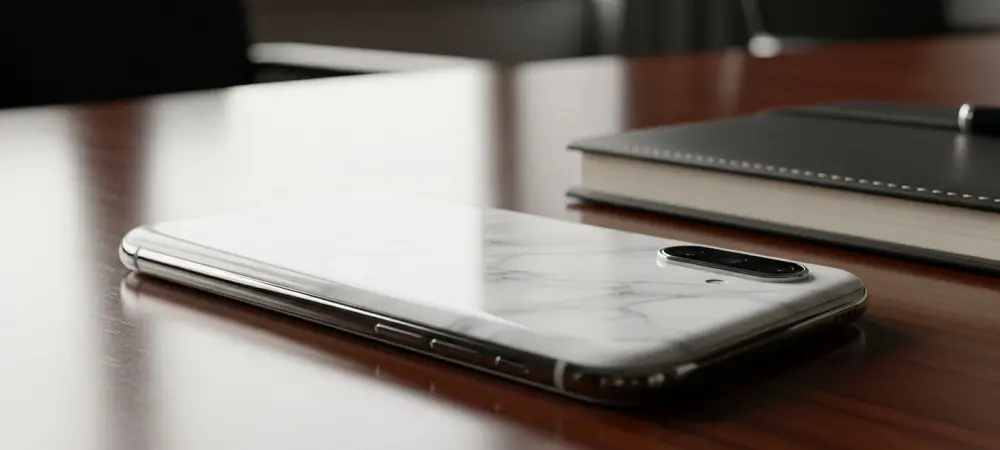
The design language emphasizes tactile variety through three distinct finishes: a green “satin-luxe,” a blue “tailored-fabric,” and a white “marble” texture. These choices move away from generic glass slabs toward something that feels intentional and grippy in the hand.
Display and Ergonomic Design Characteristics
A curved display defines the front of the unit, providing an immersive edge-to-edge viewing experience that minimizes side bezels. The centered punch-hole camera remains unobtrusive, ensuring that the visual flow of the interface is maintained during media consumption or gaming.
Battery Innovations and Charging Capabilities
The inclusion of 90W fast wired charging significantly reduces downtime, allowing the heavy-duty battery to replenish in a fraction of the time required by standard chargers. Wireless charging support further enhances convenience, making it a versatile tool for various charging environments.
Advanced Connectivity and Functional Components
Equipped with Wi-Fi 6E and NFC, the device ensures that data transfers and contactless payments are handled with modern efficiency. The internal hardware is tuned to maintain these connections without excessive power draw, contributing to the overall stability of the system.
Evaluation of Real-World Performance Metrics
Processing Power and Daily Multitasking
Daily operations feel instantaneous, with the chipset handling aggressive multitasking between productivity apps and high-definition video without stuttering. The management of background processes is aggressive enough to save power but smart enough to keep essential tools ready for immediate use.
Nighttime Photography and Imaging Performance
The marketing focus on “seizing the night” is backed by a sensor that prioritizes light intake in challenging environments. While specific megapixels are just numbers, the actual output shows a marked improvement in noise reduction and color accuracy during low-light sessions.
Longevity and Thermal Efficiency Under Load
Heat management is a critical factor for a device with such a large battery, and the Edge 70 Pro remains impressively cool during heavy use. This thermal efficiency prevents the processor from throttling, ensuring that performance stays consistent even during extended gaming or video recording.
User Interface and Software Integration
The software experience remains close to a clean version of Android, avoiding the bloatware that plagues many competitors. This lean approach allows the hardware to shine, providing a responsive and intuitive navigation experience that feels natural to anyone accustomed to modern mobile ecosystems.
Comparative Analysis: Strengths and Limitations
Key Advantages for Power Users
The primary draw for power users is undoubtedly the combination of the 6,500mAh battery and rapid charging, which remains a rarity in the premium segment. Moreover, the unique material finishes provide a premium feel that doesn’t require a case to look or feel high-end.
Trade-offs and Market Competitive Disadvantages
Despite its strengths, the curved screen might be polarizing for those who prefer flat displays for easier screen protector application. Additionally, while the low-light performance is strong, some rivals offer more complex zoom lenses that enthusiasts might miss.
Use Case Suitability: From Content Creators to Professionals
Content creators will appreciate the color accuracy of the display, while professionals will lean on the exceptional battery life. The device adapts well to different roles, though its size might be a consideration for those with smaller hands.
Final Assessment and Market Recommendation
Summary of Critical Hardware Findings
The hardware package is cohesive, with the high-capacity battery serving as the undisputed centerpiece of the experience. Every other component, from the curved display to the specialized finishes, feels designed to support a premium yet practical user journey.
Comparing the Pro Against the Fusion and Lite Variants
When measured against its siblings, the Pro justifies its price through superior charging tech and better build materials. The Fusion offers value, and the Lite targets portability, but the Pro provides the most complete feature set for a serious user.
Final Verdict on Technological Maturity
This handset represents a mature iteration of the Edge series, where the focus has shifted from experimental features to perfecting the fundamentals. It is a reliable, fast, and beautiful piece of technology that stands out in a crowded market.
Concluding Opinion and Purchase Advice
Identifying the Target Audience
The ideal user is someone who views their phone as a primary work tool and cannot afford the anxiety of a dying battery before sunset. It also appeals to those who are tired of the same glass-and-metal designs and want a phone with a more organic, tactile feel.
Factors to Consider Before Upgrading
Prospective buyers should evaluate if they prioritize battery life over extreme camera zoom capabilities before making the switch. However, the move toward such a high-capacity cell suggests that the benefits of longevity outweighed the pursuit of niche camera specs.
Final Thoughts on Motorola’s Design Direction
The strategy shifted toward a more utilitarian form of luxury, emphasizing how a phone feels during hours of use rather than just how it looks in a box. Future iterations will likely build on this foundation of high-density power and refined ergonomics.