

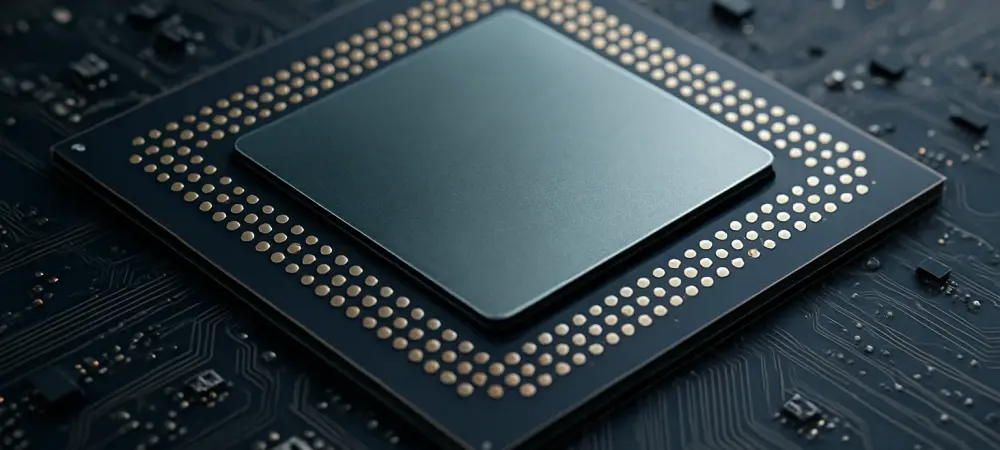
For what feels like an eternity in the fast-paced world of silicon, the narrative surrounding Intel has been one of a sleeping giant, but the arrival of the Core Ultra 3 series suggests the company has finally awoken with a clear and aggressive focus on the future of personal computing. This launch is more than just a product release; it’s a statement of intent, carrying the weight of the company’s long-term strategy on its new 18A process node. The question on everyone’s mind is whether this generation of processors can truly re-establish the company’s dominance in the high-end laptop market.
Is This Intel’s AI Comeback?
The Core Ultra 3 series enters a fiercely competitive market where leadership in artificial intelligence and power efficiency is paramount. For consumers considering an upgrade, the decision hinges on whether these new chips deliver a tangible leap forward in performance or are merely an incremental step. This review examines if Intel’s latest offering is a worthwhile investment for those seeking a genuine next-generation experience, particularly as on-device AI transitions from a novelty to an essential feature. These processors are positioned as the pivotal product designed to steer the company back to a leadership position. The core value proposition is a blend of raw computational power and sophisticated AI acceleration, all wrapped in a highly efficient package. The success of this launch is crucial, not just for Intel’s market share, but for its reputation as an innovator capable of executing a complex technological roadmap.
Unpacking Panther Lake: Architecture and AI
At the heart of the Core Ultra 3 is the “Panther Lake” architecture, a name that signifies a significant technological milestone. This series marks the commercial debut of Intel’s long-awaited 18A manufacturing process, a critical step in its plan to reclaim process leadership. This advanced node is the foundation upon which all the promised performance and efficiency gains are built, representing a massive undertaking that is finally bearing fruit.
The architectural design reflects a clear focus on balanced performance. High-end configurations feature up to 16 CPU cores for handling demanding multithreaded workloads and 12 powerful Xe GPU cores designed for both modern gaming and content creation. However, the true centerpiece of the design is its dedicated neural processing unit (NPU). This focus on artificial intelligence is central to the chip’s identity, enabling it to qualify for Microsoft’s stringent Windows CoPilot+ standards and deliver a responsive, intelligent user experience directly on the device. High-end models boast an impressive 50 TOPS (trillion operations per second) of AI performance, ensuring they are well-equipped for the next wave of AI-powered applications.
Putting the Promises to the Test
Intel has made several bold claims about the capabilities of its Core Ultra 3 processors, and putting these assertions into a real-world context is essential. The company touts substantial improvements in multithreaded performance, a critical metric for productivity applications like video editing, 3D rendering, and complex data analysis. For professionals and creators, this translates directly to reduced wait times and a more fluid workflow, making it a key area of evaluation. Furthermore, the claims of a 77% increase in gaming performance for premium Core Ultra X7 and X9 models are bound to attract attention from the mobile gaming community. This level of improvement could transform high-end, thin-and-light laptops into genuinely capable gaming machines. Equally impressive is the advertised battery life of up to 27 hours in streaming scenarios. While real-world usage will inevitably vary, this figure suggests a major leap in power efficiency that could provide true all-day, and even multi-day, use for less intensive tasks.
Strengths and Considerations
The Core Ultra 3 processors present a compelling list of advantages. The most significant is their top-tier AI performance, which places them at the forefront of the shift toward on-device AI. This capability, combined with the major gains in both gaming and general efficiency, creates a versatile and powerful platform. The successful launch of the 18A process node is itself a major strength, signaling that Intel has overcome previous manufacturing hurdles and is back on a competitive track.
However, prospective buyers should also weigh some important considerations. As with any cutting-edge technology, the first wave of devices featuring these chips will likely carry a premium price tag. Furthermore, while the tested battery life figures are impressive, individual results in day-to-day use may differ depending on workload and system configuration. Finally, the market remains highly competitive, and while Intel has made a significant leap, rival offerings will continue to provide compelling alternatives.
The Verdict: A New Era for Intel? The findings of this review confirmed that the Core Ultra 3 represented a successful and timely execution of the long-term strategy established under former CEO Pat Gelsinger. It was a clear demonstration that the company had navigated a challenging period and emerged with a product that was not only competitive but innovative in key areas.
Ultimately, these processors marked a significant technological leap forward. The seamless integration of a powerful NPU, the efficiency gains from the 18A process, and the substantial performance uplifts in both productivity and gaming signaled a successful turnaround. This launch provided a clear recommendation for users who prioritized cutting-edge AI features, formidable gaming prowess, and exceptional power efficiency in a mobile device.
Who Should Upgrade to Core Ultra 3?
Better times are ahead for Intel. This successful launch, coupled with early market interest in the next-generation 14A node, suggests a restored momentum that benefits the entire PC ecosystem. The company has delivered a product that feels both ambitious and complete, setting a new benchmark for what is possible in a high-end laptop.
This technology is most beneficial for specific user groups. AI professionals, software developers, and data scientists will find the on-device 50 TOPS performance transformative for their workflows. Similarly, serious gamers seeking a powerful yet portable solution have a compelling new option. Early adopters who desire the latest and greatest technology will find the Core Ultra 3 to be a satisfying investment. For all other users, it is wise to consider if their daily needs truly justify the premium cost of the first devices, though the underlying technology is undeniably impressive.