

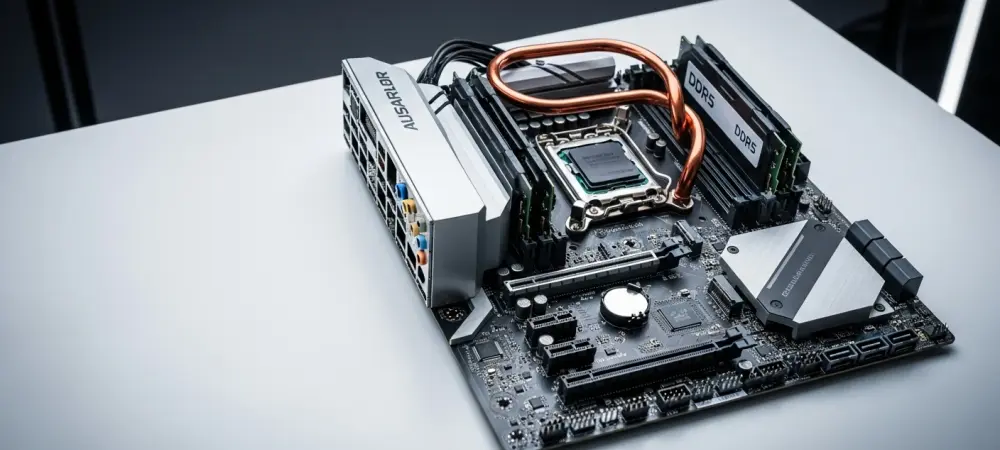
Navigating the volatile landscape of modern PC hardware requires more than just a passing interest in specifications; it demands a strategy to secure peak performance without succumbing to inflating component prices. Builders currently face a market where the cost of entry for premium experiences remains high.
Navigating the High-End CPU Market: Is the Ryzen 7 9800X3D the Right Investment?
Evaluating Value in an Era of Rising Hardware Costs
Building a high-end system in the current market feels like a delicate balancing act between power and affordability. Rising prices for storage and memory make standalone processor purchases difficult to justify for many budget-conscious enthusiasts. Strategic purchasing has become essential as external economic factors drive up the base price of essential build parts. Investors in new hardware must look toward integrated deals to maintain their total budget targets.
Addressing the Needs of Modern Gaming Enthusiasts
Gamers demand hardware that pushes frames without breaking the bank or sacrificing stability. This processor enters the fray as a specific solution for those who prioritize long-term performance in demanding simulation and open-world titles.
Modern software requires a robust foundation to handle complex physics and AI. This chip provides the necessary headroom to ensure that gameplay remains smooth even during the most chaotic on-screen sequences.
Technical Architecture and Core Features of the Ryzen 7 9800X3D
The Evolution of Second-Generation 3D V-Cache Technology
The second generation of 3D V-Cache introduces a refined physical layout that places the cache die beneath the processor cores. This structural change facilitates significantly better heat dissipation compared to earlier vertical stacking methods.
By moving the cache, the silicon maintains the massive L3 capacity that defines the series while allowing for higher sustained frequencies. This engineering feat directly addresses the thermal limitations seen in previous gaming-focused iterations.
Zen 5 Efficiency and Clock Speed Enhancements
Utilizing the Zen 5 architecture, this chip achieves impressive clock speed gains over its predecessors. It manages these higher frequencies with surprising efficiency, ensuring that the performance leap does not result in excessive power consumption.
The refined branch prediction and wider execution engines work in tandem to process data more effectively. This efficiency makes it a top choice for those concerned about both performance metrics and utility bills.
Strategic Platform Integration with the AM5 Ecosystem
Compatibility with the AM5 ecosystem ensures that users can upgrade their systems without worrying about immediate socket obsolescence. This commitment to long-term support remains a cornerstone of the value proposition for the current hardware generation. The platform supports the latest connectivity standards, including PCIe 5.0 for storage and graphics. Integrating this CPU into an AM5 build provides a clear path for future hardware additions without requiring a motherboard swap.
Assessing Real-World Performance and Efficiency
Gaming Benchmarks at 1080p and 1440p Resolutions
Testing at 1080p reveals that this CPU dominates the charts by providing exceptionally high minimum frame rates. This consistency is vital for a fluid experience, especially in fast-paced titles where stuttering can be disruptive. Even at 1440p, where graphical bottlenecks often occur, the processor maintains a measurable lead in CPU-intensive scenarios. It bridges the gap between raw power and visual fidelity with ease.
Multi-Threaded Productivity and Thermal Management
While gaming is the primary focus, the eight-core configuration handles productivity tasks with professional competence. Improved thermal management allows the silicon to sustain peak performance longer during heavy video encoding sessions.
The chip operates within a comfortable temperature range even under heavy loads. This stability reduces the need for exotic cooling solutions, allowing builders to opt for more standard air or liquid coolers.
System Synergy: The Impact of High-Speed DDR5 and X870 Chipsets
Combining this CPU with X870 chipsets unlocks the full potential of high-speed DDR5 memory. The resulting bandwidth expansion significantly reduces latency, providing a noticeable snappiness to the entire desktop environment.
This synergy between components ensures that there are no data bottlenecks within the system. The tight integration of the memory controller allows for stable operation at aggressive speeds.
Analyzing the Pros and Cons of the 9800X3D
Primary Advantages for Competitive and AAA Gaming
Competitive players benefit most from the reduced frame latency and improved consistency offered by the V-Cache. This advantage translates to a smoother visual flow that provides a distinct edge in high-stakes multiplayer environments.
For AAA gaming, the chip handles dense crowds and complex environments without a dip in performance. It offers a level of reliability that makes it a favorite for those seeking a premium experience.
Potential Limitations and Market Positioning Challenges
High demand often leads to supply constraints, making the chip difficult to find at its suggested retail price. Furthermore, users focused solely on heavily threaded workstation tasks might find better value in higher core-count alternatives.
The premium price tag for the X3D branding can be a hurdle for entry-level builders. However, the performance benefits often justify the cost for those specifically targeting top-tier gaming metrics.
Summary of Findings and Market Recommendation
Standalone Value vs. High-Value Retailer Bundles
Purchasing the CPU individually is a viable path for those with existing AM5 setups who need a quick upgrade. However, the true financial advantage appears when considering retail bundles that pair the chip with other essential hardware.
These combos often include motherboards and memory at a significant discount compared to individual prices. Choosing a package deal remains the most efficient way to maximize a hardware budget.
Cost Efficiency Analysis: Saving on Essential Components
Choosing a curated combo can save hundreds of dollars compared to buying parts separately at current market rates. These savings allow for a more substantial investment in a high-tier graphics card.
This financial relief is crucial in a market where GPU prices continue to climb. Reallocating funds from the CPU and motherboard bundle toward the GPU yields a better total system balance.
Final Recommendation Based on Price-to-Performance Ratios
This hardware represents a peak value point for anyone looking to build a high-performance gaming rig today. It balances cutting-edge tech with a price point that remains accessible when navigated through strategic retailer offers.
The overall package provides a level of future-proofing that is hard to match. It stands as a recommended choice for both new builders and those looking to refresh their aging systems.
Final Verdict: Who Should Build with the Ryzen 7 9800X3D?
Identifying the Ideal User Profile
The target audience consisted of enthusiasts who desired the best possible gaming performance without moving to more expensive enthusiast platforms. It served as a perfect bridge for users transitioning from older sockets who wanted immediate, tangible benefits.
Competitive gamers and streamers found the stability of the chip to be its most appealing trait. It provided the necessary frame consistency to maintain professional-grade broadcasts while running intensive software in the background.
Practical Advice for Future-Proofing and Component Pairing
Builders who paired the chip with high-speed memory and modern motherboards secured a system that stayed relevant for several years. They successfully avoided the trap of incremental upgrades by investing in a robust and efficient foundation.
The best approach involved matching the CPU with a balanced power supply and a high-airflow case. This combination ensured that the silicon operated at peak efficiency, protecting the long-term health of the entire build.