

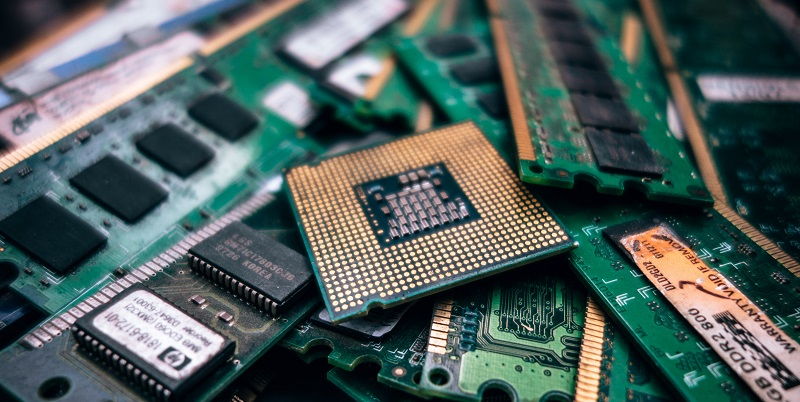
As technology continues to evolve, so does the market for computer hardware. Analyst firm TrendForce recently reported a new trend with DDR4 RAM, in which manufacturers are reusing old memory chips in new products. This has raised concerns among consumers regarding the quality and longevity of these repurposed memory modules. In this article, we will delve into the details of this trend and its implications for consumers.
Source of Reused Chips
The reused memory chips primarily come from the legacy processes of major South Korean suppliers. These chips, after undergoing software modifications, are then utilized in the production of PC DRAM and consumer DRAM products. While this practice may help manufacturers save costs, it raises questions about the reliability and performance of these repurposed modules.
Process of Reusing Chips
To create these so-called “new” products, RAM makers acquire old server memory sticks. These sticks are carefully disassembled, and the chips within them are removed and reflashed. The modules created from these chips are then sold as new. This process allows manufacturers to give a new lease on life to previously discarded memory components.
Warranty and Potential Issues
It is important to note that products utilizing these repurposed memory modules still come with a warranty. Consumers can rest assured that they are covered in case any issues arise within the warranty period. However, there is a concern regarding the longevity of these chips. Due to their prior usage, there is a higher likelihood that they may fail earlier compared to DDR4 RAM sticks made with new memory modules. This could lead to unexpected system crashes and data loss.
Impact on RAM Prices
The influx of reused memory chips in the market is having a direct impact on RAM prices. TrendForce has observed that this trend is helping to push RAM prices down even further. While this may seem like a positive outcome for consumers seeking affordable RAM solutions, it is crucial to consider the potential risks associated with these repurposed modules.
Worries and Considerations for Consumers
Given the circumstances, it is understandable that consumers may have concerns when purchasing DDR4 RAM. The idea of unknowingly acquiring a product made with reused memory modules is unsettling. Unfortunately, there is little consumers can do to ensure they are not getting repurposed modules. The best course of action is to exercise caution and opt for reputable brands and suppliers when buying RAM.
The Silver Lining: Declining Prices
Amidst the worries surrounding used memory chips, the one positive aspect is the continued decline in RAM prices. This market trend benefits budget-conscious consumers in the short term. However, it is crucial to weigh the potential risks associated with cheaper RAM against the cost savings.
The practice of reusing old memory chips in DDR4 RAM products raises concerns about the reliability and durability of these repurposed modules. While manufacturers provide warranties for these products, the likelihood of them failing prematurely is a genuine concern. Consumers must consider their options carefully and be aware of the potential risks associated with purchasing cheap RAM. As the market continues to evolve, it is essential to stay informed and make well-informed decisions to ensure a smooth and reliable computing experience.