

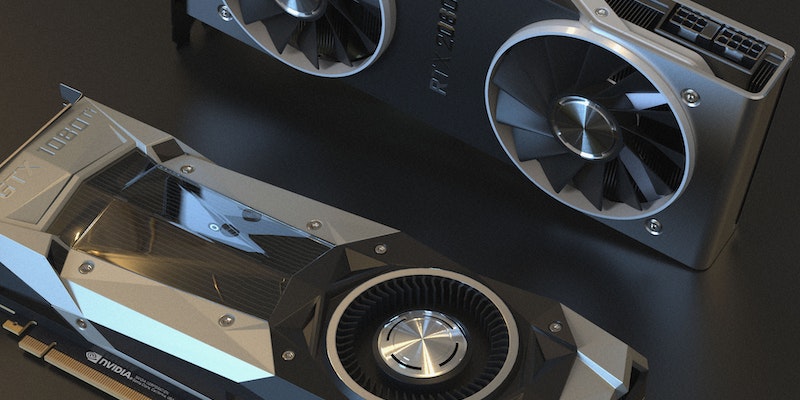
As AMD continues to make waves in the graphics card market, enthusiasts and gamers eagerly await the release of their highly anticipated RDNA 3 graphics cards. Expected to bridge the gap between the RX 7600 and RX 7900 models, these upcoming enthusiast-class cards promise to deliver phenomenal performance and redefine high-end gaming experiences.
Confirmation from AMD
AMD’s CEO, Dr. Lisa Su, has confirmed the company’s plans to expand their RDNA 3 GPU offerings with the launch of new enthusiast-class Radeon 7000-series cards in the third quarter. This official endorsement from AMD further ignites the excitement surrounding the upcoming graphics cards. Tech enthusiasts around the world are keen to see what AMD has in store for them.
Speculations on the new models
While the specifics of the new RDNA 3 graphics cards are still somewhat shrouded in mystery, it is widely speculated that the new models might include the RX 7700 or RX 7800. However, the absence of concrete information on the naming and pricing suggests that AMD is currently in the process of finalizing these crucial aspects before the official release.
Leaks and predictions
Adding fuel to the anticipation, notable leaker Moore’s Law is Dead (MLID) on YouTube has revealed some insights into the upcoming RDNA 3 graphics cards. According to MLID, gamers can expect at least two, and potentially three, new RDNA 3 cards to be unveiled at Gamescom, with a subsequent release in September. This disclosure has only heightened the sense of excitement within the gaming community.
Probable candidates
Despite the lack of definitive information, industry experts believe that the most probable candidates for the upcoming AMD RDNA 3 cards are the RX 7700 and RX 7800. These models are expected to offer significant performance enhancements over their predecessors. Additionally, it wouldn’t be surprising to see an XT variant, further boosting the lineup’s potential.
Pricing strategy
With Nvidia’s RTX 4060 offerings reportedly facing lackluster sales, AMD has a golden opportunity to seize a significant share of the mid-range and upper-mid-range market. Capitalizing on this, industry insiders anticipate an aggressive pricing strategy from AMD, making these new cards an attractive option for gamers looking to upgrade their rigs without breaking the bank.
Comparison with Nvidia
The underwhelming response to Nvidia’s RTX 4060 series further tilts the scales in AMD’s favor. With the launch of their RDNA 3 graphics cards, AMD could establish a stronger foothold in the gaming market. By offering competitive pricing coupled with promising performance, AMD aims to entice users who seek a balance between quality and affordability.
Differences between RX 7900 models
To shed light on the range of upcoming graphics cards, it’s important to note the distinctions between the RX 7900 GRE and the RX 7900 XT. While both cards are positioned within the enthusiast class, the RX 7900 GRE is equipped with 80 Compute Units (CUs), slightly fewer than the RX 7900 XT. This variance could impact the performance and price points of the upcoming RX 7700 and RX 7800 models.
Uncertainty about the models
The unpredictability and indecisiveness surrounding the specific models being released are unusual for the rumor mill. It suggests that AMD is still refining their plans and making critical decisions behind the scenes. This uncertainty adds an air of anticipation and excitement, leaving enthusiasts curious about what AMD has in store for them.
As AMD prepares to launch their RDNA 3 enthusiast-class graphics cards in the third quarter, the anticipation and excitement among gamers and tech enthusiasts continue to build. While the specific details of these cards are still being finalized, enthusiasts eagerly await the opportunity to experience the power and innovation that AMD is set to unleash. With aggressive pricing and potential performance gains, AMD’s upcoming RDNA 3 graphics cards have the potential to dominate the mid-range and upper-mid-range market, offering gamers a compelling alternative to Nvidia’s offerings.