

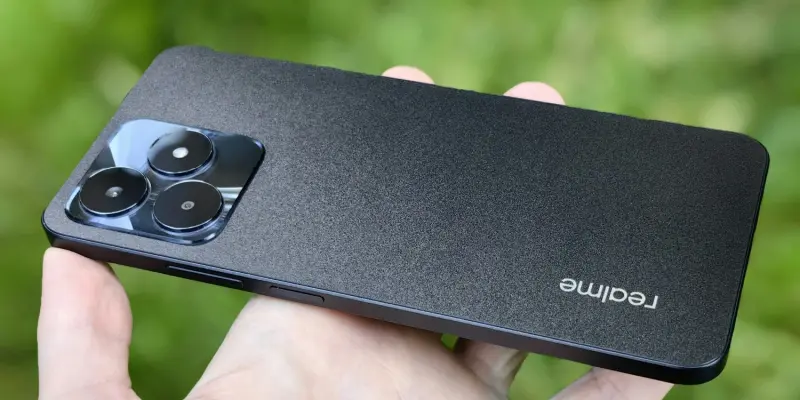
Realme has made significant strides in the highly competitive smartphone market with the launch of the Realme Neo 7 Turbo in China. This release marks a notable addition to the Realme Neo series, featuring the advanced MediaTek Dimensity 9400e chipset. The Neo 7 Turbo is equipped with a dual rear camera system, spotlighting a 50-megapixel Sony IMX882 main sensor that includes optical image stabilization. Complementing this is an 8-megapixel ultra-wide-angle camera, offering users versatile photography capabilities. One of the standout features is its 6.80-inch display, which provides a remarkable 1.5K resolution and an impressive 144Hz refresh rate. The peak brightness reaches 6,500 nits, enhanced by cutting-edge screen technology such as 4608Hz high-frequency PWM dimming, ensuring vivid and dynamic visual experiences.
Cutting-Edge Performance and Turnaround Battery Features
The Realme Neo 7 Turbo showcases an impressive blend of performance and battery efficiency. A robust 7,200mAh battery champions the power department, matched with 100W fast charging capability. This ensures users can enjoy extensive device usage, reaching up to 11.8 hours of continuous video calling on a single charge. Not only heralding high energy efficiency, the device reinforces longevity with excellent water and dust resistance ratings, including IP69, IP68, and IP66 certifications. Such enhancements underscore Realme’s commitment to providing durable smartphones. In terms of memory and storage, it caters to diverse user needs, offering configurations up to 16GB RAM and a whopping 1TB storage, making it a viable choice for tech enthusiasts demanding high performance and significant storage capacity.
Comprehensive Connectivity and Competitive Market Positioning
The Realme Neo 7 Turbo is designed to support modern connectivity demands, featuring compatibility with 5G networks, Bluetooth 5.4 technology, and NFC capabilities. It also integrates an extensive suite of sensors, enhancing its functionality for varied user applications. This level of connectivity ensures seamless and efficient communication, essential in today’s fast-paced digital landscape. As for its market proposition, the Neo 7 Turbo is available in two distinct color variants, Transparent Black and Transparent Gray, appealing to aesthetic preferences. Pricing varies based on configurations, ranging from CNY 1,099 to CNY 2,699, which places it strategically within the competitive Chinese market. These features highlight Realme’s ongoing focus on optimizing performance while maintaining an attractive pricing strategy, reinforcing its commitment to deliver advanced technology at competitive rates.