

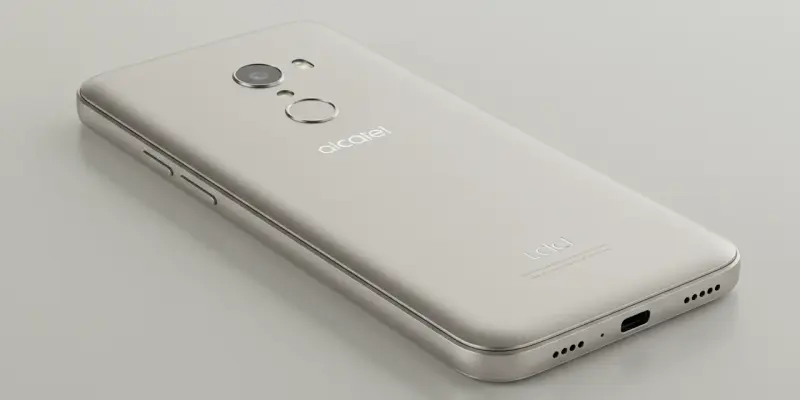
Alcatel’s recent announcement of the V3 series, specifically the V3 Ultra model, has generated considerable excitement and anticipation in India’s bustling smartphone market as the brand aims to capture the attention of price-conscious consumers seeking performance without breaking the bank. With the official unveiling set for May 27, Alcatel is poised to showcase a device that embodies innovative features and technological advancements at a competitive price, positioning itself as a formidable player in the budget smartphone segment. This move represents Alcatel’s ambition to command attention amid a sea of alternatives, leveraging partnerships and cutting-edge specifications to redefine expectations within this popular category.
A Glimpse into the V3 Ultra’s Features
Cutting-edge Specifications
The Alcatel V3 Ultra promises a blend of impressive style and functionality, starting with its sophisticated design and technical prowess. The smartphone is expected to arrive with a Qualcomm Snapdragon 7 Gen 4 processor, a choice that emphasizes robust performance balanced with energy efficiency. This processor will enable advanced connectivity options like Wi-Fi 7 and Bluetooth 6.0, perfect for consumers looking for robust and hassle-free digital experiences. Complementing the powerful CPU is a spacious 6.8-inch display with a 120Hz refresh rate, designed to provide smooth, seamless visuals for content consumption and gaming alike. A special mention goes to the display’s centrally located hole-punch cutout, which maintains a minimalist look while housing a capable front camera.
Alongside its design and processing capabilities, the V3 Ultra excels in the photography department with a triple rear camera module, featuring a 108-megapixel primary sensor. This inclusion signifies Alcatel’s commitment to providing excellent photo quality typically found in higher-priced devices. The 32-megapixel front-facing camera ensures selfies that portray intricate details and vibrant colors. Additionally, the phone’s hardware is matched by a generous 5,010mAh battery, equipped with 33W fast charging technology, ensuring users can keep up with their digital lives without frequent recharges.
The NXTPAPER Display
A key feature of the V3 Ultra is the NXTPAPER display technology, a proprietary addition by TCL that aims to offer an enhanced visual experience through specialized reading, watching, and scrolling modes. This attention to user experience highlights a broader trend within the smartphone industry towards creating more adaptable and personalized uses for everyday devices. The NXTPAPER display is engineered not just for vibrant color reproduction but also for reducing blue light emissions, thus promoting healthier long-term usage for the user’s eye health. These additional features are complemented by a stylus, catering to users inclined toward creative expression or precise navigation.
Strategic Positioning in the Indian Market
The Make in India Initiative
Aligning with the Make in India initiative, Alcatel has strategically partnered with Padget Electronics to localize manufacturing, underscoring a commitment to the Indian market. This collaboration not only supports local industry but is also expected to enhance brand equity among Indian consumers who prioritize locally made goods. By rooting production within India, Alcatel not only streamlines logistics and reduces costs but also brings the company in proximity to the rapidly growing tech-savvy consumer base within the region. This move resonates strongly with the national sentiment, further bolstering Alcatel’s corporate image and market reach.
Capitalizing on Competitive Pricing
Against the backdrop of aggressive competition, targeting the sub-Rs. 30,000 price segment positions the V3 Ultra competitively. Its combination of premium features at an accessible price point caters specifically to the growing consumer demand for high-performance budget smartphones. The company’s strategic pricing reflects a nuanced understanding of the Indian market dynamics, allowing it to compete with both local and international brands that have entrenched themselves. Offering high-end features typically reserved for flagship models at a budget-friendly price is a persuasive proposition for value-driven consumers, making the V3 Ultra potentially a disruptive addition to India’s smartphone market landscape.
Broader Implications for the Smartphone Industry
Leveraging Online Platforms
Alcatel’s decision to utilize Flipkart as the primary sales platform acknowledges the increasing relevance of e-commerce in driving smartphone sales, especially in a tech-pervasive society like India. By leveraging technology infrastructure and online distribution networks, Alcatel extends its reach beyond metropolitan areas to smaller towns and rural consumers who are increasingly purchasing goods online. Such a push reflects a keen awareness of changing consumer purchasing habits and ensures Alcatel can competitively maintain a presence where digital platforms trump traditional retail.
The Future of Budget Smartphone Innovation
Alcatel’s recent unveiling of the V3 series, particularly the V3 Ultra model, has stirred significant enthusiasm and anticipation within India’s dynamic smartphone landscape. The brand aims to capture the interest of budget-sensitive consumers who crave high performance without excessive spending. Scheduled for official release on May 27, Alcatel is ready to present a device that combines innovative features with technologically advanced elements, all at a competitive price point, establishing itself as a strong contender in the budget smartphone market. This strategic initiative highlights Alcatel’s determination to stand out amidst a crowded field of alternatives. By leveraging strategic partnerships and advanced specifications, Alcatel aims to redefine consumer expectations within this popular sector. With the V3 Ultra, Alcatel hopes to offer an appealing blend of affordability and breakthrough features, thereby drawing attention to itself as a fresh and promising option amid the myriad choices available to smartphone enthusiasts.