

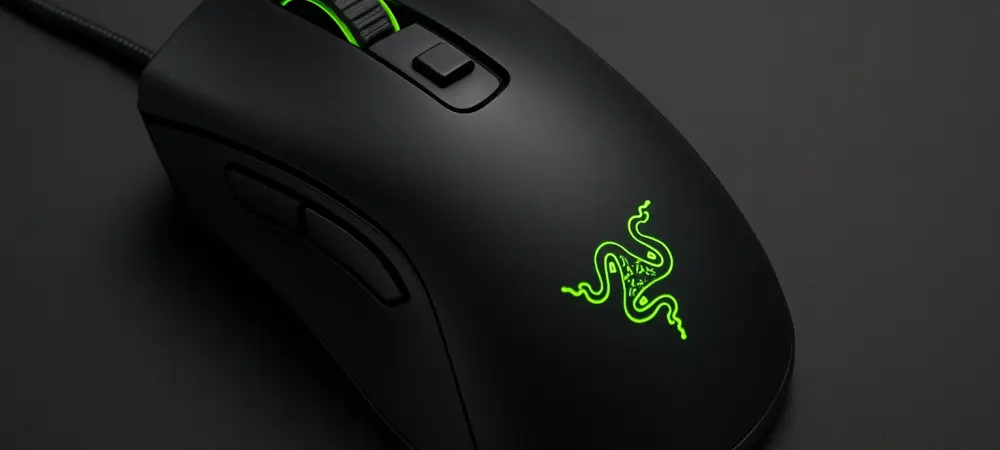
In the ever-evolving landscape of gaming peripherals, the competition for better performance and cutting-edge features continues to heat up. Game developers push their technology to deliver more immersive experiences, and players demand peripherals that match this escalating quality. Enter the Razer DeathAdder V4 Pro, a gaming mouse that aims to redefine competitive standards with its next-generation features and intuitive design. Its debut has sparked considerable interest in the e-sports community, giving rise to discussions about its influence on gaming’s competitive edge. This review delves into Razer’s innovative offering, analyzing its capabilities and assessing its impact.
Technological Innovations in Design and Components
Razer’s DeathAdder V4 Pro showcases advanced principles that exemplify the brand’s reputation for technological prowess in gaming peripherals. Featuring an ergonomic design that caters to both comfort and enhanced functionality, this gaming mouse is tailored for lengthy sessions that require precision. The lightweight construction at 56g, excluding cable and dongle, further emphasizes its focus on agility without sacrificing quality. Supported by HyperSpeed Wireless technology, the V4 Pro ensures seamless connectivity. These design elements contribute significantly to the broader gaming technology ecosystem and indicate a continued emphasis on reliable and user-friendly gaming peripherals. The technological components integrate seamlessly, creating a product capable of delivering high-performance outcomes in gaming scenarios. The wireless performance is complemented by a redesigned dongle and remarkable battery life, ensuring that gamers remain operational for extended periods. Its dual-mode functionality provides flexibility, allowing users to switch between wired and wireless modes as required, enhancing the overall user experience.
Key Features and Cutting-Edge Components
Razer HyperSpeed Wireless Gen-2 Technology
Razer HyperSpeed Wireless Gen-2 technology emerges as a standout feature, known for its exceptional power efficiency and remarkably reduced latency. This innovation ensures quicker responsiveness, a critical requirement in high-stakes competitive gaming. Unlike previous versions, the Gen-2 technology presents a 37% reduction in latency, translating into a noticeably more fluid and streamlined gaming experience. The enhanced power efficiency guarantees an extended battery lifespan, sustaining gaming sessions without frequent recharges, which has become increasingly important in professional gaming.
Enhanced Optical Sensor and Scroll Wheel
The DeathAdder V4 Pro incorporates the Focus Pro 45K Optical Sensor Gen-2, which is engineered for superior sensitivity and tracking precision. Offering a maximum DPI of 45,000 and an operational speed of 900 IPS, the sensor provides unmatched accuracy, allowing gamers to react quickly during fast-paced scenarios. This is complemented by the Optical Scroll Wheel, designed to convey precise input control. The harmony of high DPI values and advanced sensor technology offers seamless control, placing gamers at a strategic advantage in various genres.
Razer Optical Mouse Switches Gen-4
A vital component that enhances the DeathAdder V4 Pro’s performance lies in its incorporation of Razer Optical Mouse Switches Gen-4. These switches are renowned for their swift click response and impressive durability, promising nearly 100 million clicks without a hitch. Such longevity and reliability are crucial for professional and avid gamers who demand resilient peripherals that can withstand prolonged usage. Additionally, the elimination of debounce delay enhances gaming efficiency, allowing gamers to trust every click and command in competitive settings.
Recent Advancements and Trends
The gaming mouse industry is continuously evolving, with new innovations setting benchmarks that enhance hardware capabilities. This evolution is evident in the Razer DeathAdder V4 Pro’s advancements, particularly in its sensory data processing, wireless communication solutions, and interface feedback. As consumer preferences shift toward demanding high-performance devices with minimal latency, brands are driven to innovate continuously. Such trends push manufacturers to focus on features that not only improve responsiveness but also offer increased power efficiency.
This shift is likely to persist, with consumer expectations intensifying towards optimal performance and durable hardware that does not compromise on design. The interplay of these technological advancements and consumer needs has shaped the current trajectory of the gaming peripherals market, ensuring that the DeathAdder V4 Pro remains a key player.
Impact in E-Sports and Competitive Gaming
The Razer DeathAdder V4 Pro holds a firm place within the e-sports and competitive gaming arenas, having been adopted by professionals seeking strategic advantages in top-tier competitions. Its features offer distinct benefits that significantly improve a player’s execution and control, vital in environments where every millisecond counts. Equipped to handle high-pressure scenarios, the V4 Pro has been put to the test in several prestigious gaming events, garnering favor amongst elite players for its reliability and precision.
Examples of such deployments in competitive gaming include notable tournaments where the difference between victory and defeat can hinge upon the mouse used. The V4 Pro’s seamless performance under these intense conditions positions it as an invaluable asset for players aiming to maximize their potential.
Limitations and Future Directions
Despite its numerous advantages, the Razer DeathAdder V4 Pro confronts certain obstacles and industry challenges. These may include the technical complexities involved in further advancements or potential market resistance due to the highly competitive nature of gaming peripherals. Compatibility issues with diverse gaming platforms also pose potential hurdles. Regulatory concerns related to technology standards and consumer protection may further impact its market penetration.
Continued research and development are essential to ameliorate these issues, focusing on improving existing features and launching innovative technologies that can address current limitations. By enhancing both functionality and interoperability, Razer can maintain its edge and further embolden its reputation within the gaming industry.
The Path Ahead for Gaming Peripherals
Looking ahead, the trajectory of gaming peripherals—especially in terms of mice—suggests continued growth marked by innovative strides. As gaming technology evolves, peripherals will need to match these advancements to remain relevant. Razer, along with its contemporaries, is expected to push boundaries with their design philosophies, leveraging the latest technologies to deliver unmatched performance. The pursuit of emerging technologies, such as AI-assisted gaming peripherals, presents a thrilling avenue for innovation. Razer’s commitment to innovation indicates that future iterations may witness further refinements, supporting enhanced player experiences and even broader application contexts. The technological advancements of today lay the foundation for tomorrow’s breakthroughs, promising an exciting evolution in the world of gaming peripherals.
Final Verdict
The exploration of the Razer DeathAdder V4 Pro reveals a gaming mouse that truly stands at the forefront of technology and design innovation. Through its compelling features and robust performance, it has cemented its role in competitive gaming. It efficiently marries cutting-edge technology with ergonomic design, promising unparalleled performance to its users. This device’s current and future potential promises significant contributions to advancing e-sports, continuously raising the bar in the gaming peripheral landscape.