

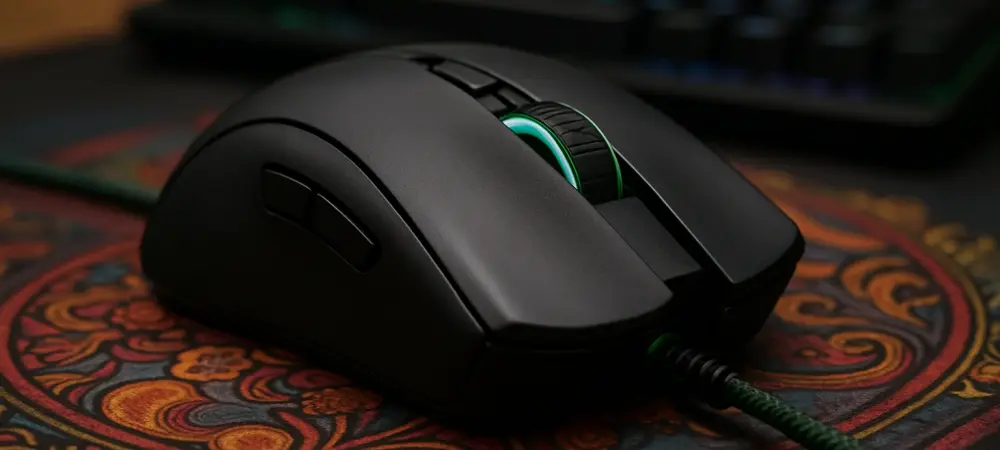
I’m thrilled to sit down with Dominic Jainy, an IT professional with deep expertise in cutting-edge technologies like artificial intelligence, machine learning, and blockchain. Today, we’re diving into the world of gaming hardware as Dominic shares his insights on the recently launched Razer Cobra HyperSpeed Wireless Mouse in India. With his unique perspective on tech innovations and their applications across industries, Dominic offers a fascinating take on how this device fits into the evolving gaming landscape. In our conversation, we explore the strategic importance of the Indian market for gaming accessories, the design philosophy behind the mouse’s lightweight build and advanced features, and how its cutting-edge technology enhances the gaming experience for a diverse audience.
Can you share your thoughts on why a company like Razer might see India as a key market for launching a product like the Cobra HyperSpeed Wireless Mouse?
India is a rapidly growing hub for gaming, with a massive young population that’s increasingly passionate about esports and PC gaming. The rise of affordable high-speed internet and the booming mobile gaming scene have created a huge demand for quality peripherals. Beyond that, Indian gamers are becoming more discerning, seeking premium products that offer value for money. I think Razer recognizes this shift and sees an opportunity to build a strong foothold by catering to both casual and competitive gamers here with a high-performance device like the Cobra HyperSpeed.
How do you think the pricing of Rs. 10,990 positions this mouse within the Indian gaming market?
At Rs. 10,990, the Cobra HyperSpeed sits in the premium segment, which makes sense given its features like the 26K DPI sensor and programmable controls. It’s competitive when you look at other high-end gaming mice in this range, especially since it offers versatility with wireless and wired modes. However, the price might be a barrier for some budget-conscious gamers in India. I believe pairing it with occasional discounts or bundled offers could make it more accessible and appealing to a broader audience.
What’s your take on the significance of the mouse’s lightweight 62-gram design for gamers?
The 62-gram design is a game-changer, especially for gamers who prioritize speed and precision. A lighter mouse reduces fatigue during long sessions and allows for quicker movements, which is crucial in fast-paced genres like FPS or MOBA games. It also seems tailored to accommodate various grip styles—whether claw, palm, or fingertip—making it versatile for different users. Achieving this weight without compromising durability likely required innovative materials and engineering, which speaks to the thought put into the design.
With nine programmable controls, how do you see this mouse catering to the diverse needs of gamers?
Having nine programmable controls is a fantastic feature for customization. It allows gamers to tailor the mouse to their playstyle, whether they’re into complex MMORPGs that require multiple macros or shooters where quick access to specific actions is key. For example, a player in a game like World of Warcraft could map healing spells or abilities to these buttons for faster reactions. This level of personalization really empowers users to optimize their setup for efficiency and comfort.
The ability to store up to five user profiles is intriguing. Why do you think this feature is valuable for gamers today?
Storing five user profiles is incredibly useful, especially for gamers who switch between genres or even use the mouse for non-gaming tasks like graphic design. Each profile can store unique button mappings and DPI settings, so toggling between, say, a high-sensitivity setup for an FPS game and a more precise one for strategy games is seamless. It’s a small but impactful feature that saves time and enhances the user experience by eliminating the need to reconfigure settings repeatedly.
Can you break down the impact of the Razer Focus X 26K Optical Sensor with 26,000 DPI and 99.6 percent accuracy on gaming performance?
The 26K DPI sensor with near-perfect accuracy is a standout for competitive gaming. It offers unparalleled precision, which is critical for pixel-perfect aiming in games like Counter-Strike or Valorant. At this price point, it’s rare to see such high DPI paired with this level of accuracy, setting the mouse apart from many competitors. For pros and enthusiasts, this means better tracking and responsiveness, giving them an edge in high-stakes matches where every millisecond counts.
The mouse supports multiple connectivity options like HyperSpeed Wireless, Bluetooth, and wired USB Type-C. How do these options enhance its appeal?
Offering HyperSpeed Wireless, Bluetooth, and wired USB Type-C modes makes the Cobra HyperSpeed incredibly versatile. Wireless with HyperSpeed ensures low-latency performance for gaming, while Bluetooth is great for casual use or travel with laptops. The wired option is a solid fallback for situations where battery life is a concern or for tournaments where stability is paramount. This flexibility caters to a wide range of users, from mobile gamers to desktop setups, and adds significant value to the product.
What is your forecast for the future of gaming peripherals like the Cobra HyperSpeed in markets like India?
I’m optimistic about the future of gaming peripherals in India. As the gaming community grows and disposable incomes rise, there’s going to be an increasing demand for high-quality, feature-rich devices like the Cobra HyperSpeed. I foresee brands focusing more on affordability alongside innovation, perhaps introducing tiered product lines to capture both premium and mid-range segments. Additionally, with esports gaining traction, we might see peripherals becoming more specialized for competitive play, integrating AI-driven customization or analytics to help gamers improve. It’s an exciting time for this space, and I think we’re just scratching the surface of what’s possible.