

I’m thrilled to sit down with Dominic Jainy, an IT professional with deep expertise in artificial intelligence, machine learning, and blockchain, who also keeps a keen eye on the latest developments in consumer technology. Today, we’re diving into Apple’s recent software updates, specifically the iOS 26 beta releases and related announcements. Our conversation explores the nuances of the latest beta builds, the significance of design changes, and what these updates signal for Apple’s upcoming hardware launches. Let’s get started!
What’s the latest with the iOS 26 beta 4 build that Apple recently released for developers?
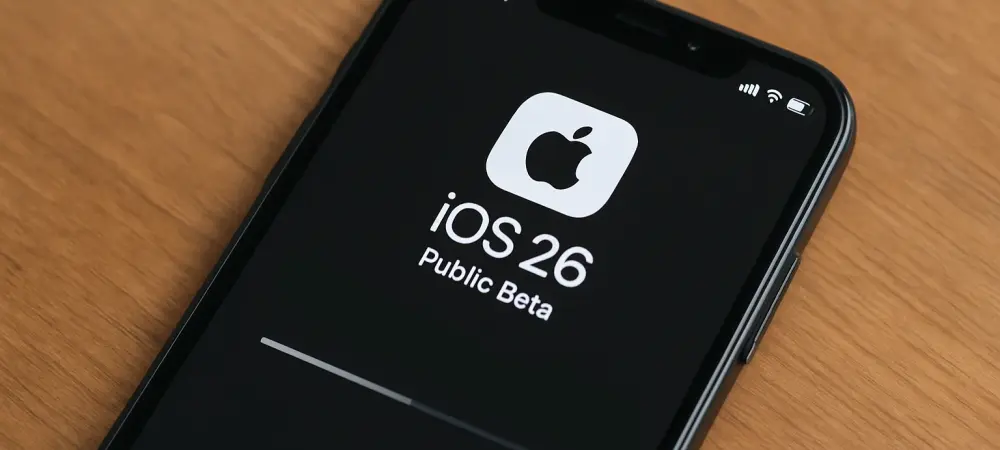
Apple just rolled out a revised version of iOS 26 beta 4 for developers, and it’s a subtle update with a new build number, shifting from 23A5297i to 23A5297m. While it’s not entirely clear what’s changed, it’s likely focused on minor bug fixes or small tweaks to stabilize the build. What’s interesting is that this updated build number now matches the first public beta of iOS 26, which dropped on Thursday. It seems Apple is aiming for consistency across testing environments.
How does this alignment of build numbers between the developer and public betas of iOS 26 strike you, and what might be the reasoning behind it?
I think aligning the build numbers is a smart move by Apple to streamline the testing process. When developer and public betas share the same build, it reduces confusion and ensures feedback from both groups is based on the same foundation. It also simplifies things on Apple’s end for tracking bugs and rolling out fixes. This could indicate they’re getting closer to a stable release and want unified data as they refine the software.
Apple also launched the first public beta builds for iPadOS 26 and macOS 26. Can you shed some light on what’s happening with those updates?
Absolutely, Apple released the initial public betas for iPadOS 26 and macOS 26 on Friday, following the iOS public beta. While specific details are still emerging, these builds generally mirror the core features and design philosophies of iOS 26, adapted for their respective platforms. We’re seeing a focus on cross-device continuity, with enhancements to multitasking on iPadOS and deeper integration with Apple’s ecosystem on macOS. I expect some unique features to stand out as testers dive in, but it’s early days for detailed feedback.
Let’s talk about the user interface improvements in iOS 26 beta 4 compared to beta 3. What stands out to you in terms of design evolution?
iOS 26 beta 4 brings some notable UI refinements over beta 3. Apple had previously dialed back on transparent UI elements due to legibility concerns, but in this build, they’ve ramped up the ‘Liquid Glass’ design, which gives a sleek, modern depth to the interface. Additionally, the Notification Center now has a darker background, making text easier to read while scrolling. These changes show Apple is listening to early tester feedback and prioritizing both aesthetics and usability.
I’ve heard Apple re-enabled notification summaries for News and Entertainment in this beta. Can you elaborate on why this feature was disabled before and what might have brought it back?
Yes, Apple brought back notification summaries for News and Entertainment in beta 4 after disabling them a few months ago. My guess is they initially pulled it due to issues with accuracy or user experience—perhaps the summaries weren’t as relevant or concise as intended. Re-enabling it now likely means they’ve refined the algorithms or UI to address those concerns. It could also be a response to user demand, as many appreciate having digestible overviews of content-heavy notifications.
What are some of the smaller tweaks in iOS 26 beta 4, like updates to the Camera app or Call Screening, and how do they affect everyday use?
Apple made subtle but practical changes in beta 4, including a refreshed Camera app icon and tweaks to Call Screening options. These might seem minor, but they enhance daily interactions. The updated Camera icon aligns with the overall design language, making the interface feel cohesive, while Call Screening adjustments could mean better control over incoming calls—potentially reducing spam or unwanted interruptions. For users, these small updates contribute to a smoother, more intuitive experience without needing to relearn anything.
With iOS 26 expected to launch alongside the iPhone 17 series later this year, how do you view the timing of this rollout and the ongoing beta testing phase?
The timing makes sense—Apple traditionally pairs major iOS releases with new iPhone launches to showcase the software’s full potential on cutting-edge hardware. Rolling out iOS 26 with the iPhone 17 series later this year will likely create a seamless narrative around innovation. As for the beta testing phase, it feels like Apple is on track. With multiple beta iterations and public testing underway, they’re gathering critical feedback to polish the OS before the big reveal. I expect the testing to wrap up a few weeks before the official launch to ensure stability.
Looking ahead, what is your forecast for how iOS 26 will shape the user experience once it’s fully released?
I’m optimistic that iOS 26 will redefine user expectations with its focus on refined design and smarter features. The Liquid Glass UI and improved Notification Center suggest Apple is doubling down on clarity and immersion, while features like notification summaries hint at better information management. Paired with the rumored capabilities of the iPhone 17 series, I think we’ll see an OS that’s not just a step forward but a cohesive leap in how we interact with our devices daily. I expect some surprises too, as Apple often holds back a few key features for the final release.