

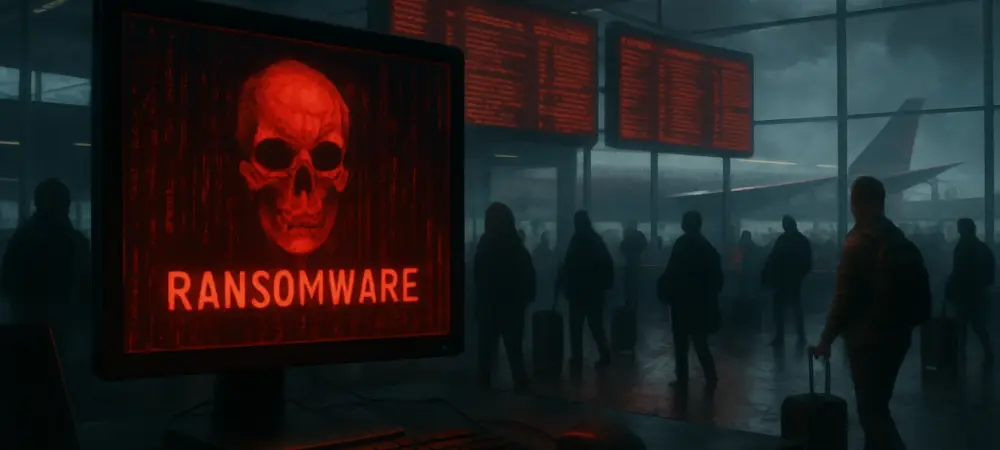
What happens when a single keystroke can ground thousands of flights across Europe, exposing the fragility of digital systems we rely on daily? On September 19, a devastating ransomware attack targeted Collins Aerospace, a vital provider of airline software, bringing operations at some of the continent’s busiest airports to a screeching halt. From London’s Heathrow to Berlin’s Brandenburg, passengers faced endless delays, cancellations, and frustration as modern technology reverted to pen-and-paper chaos. This incident not only highlighted vulnerabilities in aviation infrastructure but also raised a chilling question: how secure are the systems that underpin our everyday lives?
Unraveling the Crisis: Why This Cyber-Attack Shocks the World
The significance of this ransomware assault cannot be overstated. Aviation serves as a lifeline for global connectivity, moving millions of passengers and billions in cargo each year. When systems like Collins Aerospace’s Muse software—used for check-in and baggage processing—go offline, the ripple effects touch economies, personal lives, and even national security. This attack, affecting major hubs like Brussels, Dublin, and beyond, underscores a growing menace: cybercrime targeting critical infrastructure. As authorities scramble to respond, the incident serves as a stark reminder of the urgent need to safeguard the digital backbone of essential industries.
Descent into Disorder: How the Attack Paralyzed Airports
The cyber-attack struck with ruthless efficiency, locking Collins Aerospace’s systems and forcing airports into manual operations. At Heathrow, long lines snaked through terminals as staff resorted to handwritten boarding passes, though most flights have since resumed. In contrast, Berlin’s airport continues to grapple with severe disruptions, with cancellations piling up due to the slow pace of paper-based processes. An internal memo from Collins Aerospace revealed a failed attempt to restore services, warning airlines to brace for at least another week of makeshift solutions.
The human toll of this disruption is staggering. Passengers, many stranded for hours, expressed frustration over missed connections and unclear communication. Airport authorities deployed additional staff to manage the chaos, but with hundreds of flights impacted, the scale of the challenge remains daunting. This incident paints a vivid picture of an industry caught off guard, struggling to adapt when technology fails.
A Suspect Emerges: Law Enforcement Strikes Back
Amid the turmoil, a breakthrough came when the UK’s National Crime Agency arrested a man in his forties in West Sussex, England, under suspicion of violating the Computer Misuse Act. Released on conditional bail, the suspect remains under intense scrutiny as investigators piece together the origins of the attack. Paul Foster, head of the agency’s National Cyber Crime Unit, described cybercrime as a borderless threat, stressing that the investigation is far from over. The European Union’s cybersecurity agency, ENISA, confirmed the use of ransomware, a malicious tool that encrypts systems until a payment—often in cryptocurrency—is made. Meanwhile, the UK’s National Cyber Security Center is working closely with Collins Aerospace and affected airports to assess the damage. These coordinated efforts highlight the complexity of tracking digital culprits in a world where attacks can be launched from anywhere.
Exposed Vulnerabilities: The Bigger Picture of Cyber Threats
This ransomware incident reveals a deeper truth about the aviation sector’s reliance on interconnected digital systems. With cyber-attacks on critical infrastructure rising—up by 37% globally from 2025 to the projected figures of 2027, according to recent studies—the stakes have never been higher. Airports, once seen as fortresses of security, now face invisible enemies exploiting software vulnerabilities in cloud-based platforms like Muse.
Beyond aviation, this event signals a warning for other sectors dependent on digital tools, from healthcare to energy. The cascading effects of a single breach can disrupt entire economies, as seen with past incidents like the 2021 Colonial Pipeline attack in the United States, which halted fuel supplies for days. Experts argue that without proactive defenses, such disruptions will only become more frequent and severe.
Building a Shield: Strategies to Prevent Future Chaos
Addressing this growing threat demands immediate and collaborative action. Companies like Collins Aerospace must invest in regular system audits and updates to close security gaps in their software, ensuring vulnerabilities are patched before they can be exploited. Airports, in turn, should develop comprehensive backup plans, training staff to handle manual operations efficiently during crises.
On a broader scale, international partnerships between agencies like ENISA and the National Cyber Security Center are vital for tracking and prosecuting cybercriminals across borders. Public awareness also plays a role—travelers should be encouraged to monitor flight statuses and prepare for potential delays during recovery phases. These steps, if implemented swiftly, can fortify the aviation industry against the ever-looming shadow of ransomware.
Reflecting on the Fallout: A Path Forward
Looking back, the ransomware attack that crippled European airports on September 19 exposed critical weaknesses in the systems that keep global travel running. The arrest of a suspect marked a pivotal moment, yet the road to full recovery remained fraught with challenges as airports struggled with lingering delays. The incident served as a harsh lesson in the power of cyber threats to disrupt lives on a massive scale. Moving forward, the focus must shift to prevention through stronger cybersecurity measures and international cooperation. Governments, corporations, and travelers alike need to adapt to this new reality, prioritizing resilience in the face of digital dangers. Only by learning from this disruption can the aviation sector hope to soar above future threats with confidence.