

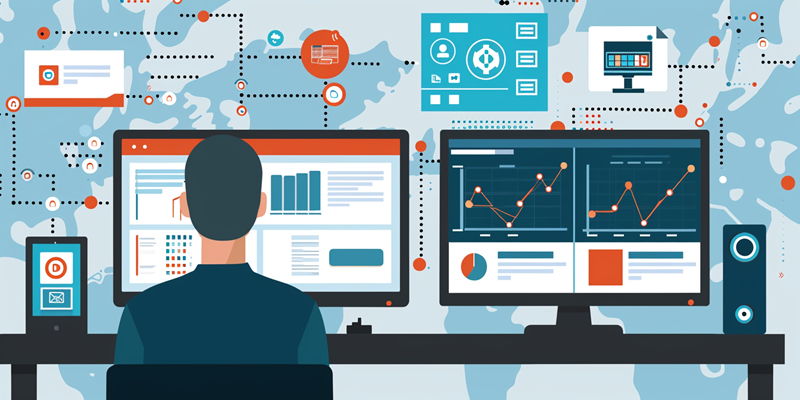
The landscape of the workplace is rapidly evolving with a significant transition toward hybrid models. This shift brings challenges and opportunities for businesses to balance digital agility with a supportive corporate culture. Prioritizing employee experience (EX) is paramount to boost engagement and productivity. This article delves into how businesses can adopt long-term, employee-centric approaches to succeed in this transformation.
Understanding the Digital Workplace
The digital workplace encompasses an ecosystem of remote work tools and digital technologies to ensure seamless collaboration and productivity. The pandemic has catalyzed the adoption of these tools, but the challenge now lies in maintaining high levels of engagement and productivity. Despite initial flexibility gains, companies face concerns about possible drops in engagement. To mitigate these concerns, businesses need to adopt holistic strategies that encompass both the technical and human aspects of work.
Enhancing the digital workplace involves more than just implementing new technologies. It requires a deep consideration of employee needs, preferences, and overall well-being in the remote work setting. Successful digital transformation means creating an environment where employees can thrive, feeling both supported and connected, no matter where they are located. Companies must recognize that the technologies themselves are vehicles for a broader culture shift that emphasizes the human element.
Employee Experience as the Cornerstone of Digital Transformation
Ivan Dopplé’s argument centers around the importance of enhancing EX as the foundation for successful digital transformation. A well-crafted employee experience directly impacts customer experience (CX) and, by extension, business outcomes. Companies must rethink their strategies to move beyond mere technical capabilities and focus on satisfaction, talent retention, and productivity tool optimization. A priority on EX demands a shift in mindset from short-term fixes to long-term strategies.
This involves creating an environment where employees feel valued, supported, and engaged, which in turn fosters higher productivity and talent retention. Investing in employee experience means putting mechanisms in place to continually assess and improve workplace environments, both physical and digital. Companies need to develop strategies that not only meet the immediate needs of their workforce but also anticipate future challenges and opportunities.
Cultivating a Supportive Corporate Culture
Whether employees are in-office or remote, a supportive corporate culture remains critical for job satisfaction. Companies must prioritize diversity, inclusion, and empathy, viewing technology as an enabler to streamline internal processes and build a sense of belonging. A diverse and inclusive environment promotes innovative thinking and better problem-solving. Technology can be leveraged to support these goals, from collaboration tools that bring together diverse teams to platforms that facilitate open and honest communication.
A supportive corporate culture not only enhances employee well-being but also translates into better business performance. It fosters trust, collaboration, and engagement, making employees more committed to the company’s goals. Emphasizing values like empathy and inclusion can also improve team dynamics across digital and physical spaces. By integrating these values into daily operations and corporate policies, companies can create an environment where everyone feels seen, heard, and appreciated.
Harnessing Continuous Feedback and Adaptation
Regularly collecting feedback from employees is essential to understand friction and enhance overall experience. This feedback should inform the design and implementation of digital workplace strategies that align with the organization’s culture and values. It ensures that the implemented changes are relevant and beneficial, addressing any issues promptly and effectively. Creating robust feedback mechanisms, such as surveys and focus groups, helps businesses stay attuned to employee needs.
This continuous feedback loop is crucial for adapting strategies in real-time, making iterative improvements to enhance engagement and satisfaction. Open channels of communication encourage employees to voice their concerns and suggestions without fear of reprisal. This culture of continuous feedback and adaptation not only improves the digital workplace but also fosters a sense of ownership and involvement among employees.
Integrating Technology for Seamless Experience
Technologies like Virtual Desktop Infrastructure (VDI) and cloud-first strategies offer cost-effective and efficient solutions. They enable employees to access their work environment from anywhere while fostering a unified company feel. Implementing such technologies ensures a secure, stable, and resilient IT environment that supports productivity and flexibility. These technologies make it easier for employees to perform their tasks without the usual limitations posed by traditional office setups.
Digital Experience Management (DXM) tools can further enhance the digital workplace by providing insights into user journeys and automating issue resolution. These tools help to monitor and optimize the overall employee experience, making the digital interactions smoother and more intuitive. By constantly evaluating user interactions and making necessary adjustments, companies can ensure a seamless and engaging digital experience that boosts employee morale and efficiency.
Economic Considerations in Digital Workplace Investments
In the face of economic uncertainties, businesses seek to optimize investments in digital workplace technologies to ensure cost-efficiency and relevance. It’s crucial to identify which technologies offer sustainable benefits versus those that are mere trends. This discernment helps avoid redundant investments and ensures resources are allocated effectively. The goal is to build an adaptable digital workplace infrastructure that can withstand economic fluctuations.
Businesses should focus on scalable solutions that can grow with the company and accommodate future needs, ensuring long-term viability and resilience. Investing wisely in technologies that provide clear, measurable benefits not only enhances the digital workplace but also ensures that the company remains competitive and adaptable in a constantly changing economic landscape.
The Shift Toward Hybrid Work Models
The hybrid work model has gained significant traction due to its flexibility. Many employees prefer this model, though organizations struggle to balance in-office and remote work. However, the consensus is that hybrid work is here to stay and requires continuous adaptation to maintain engagement and productivity. To successfully implement hybrid work models, businesses must develop responsive strategies that address the unique challenges of remote and in-office dynamics.
This involves ensuring seamless communication, equitable access to resources, and creating an inclusive culture that bridges the gap between remote and in-office workers. Effective hybrid work strategies recognize the need for flexibility while maintaining strong organizational cohesion. By investing in the right technologies and fostering an inclusive culture, companies can optimize the hybrid work model to its fullest potential.
Long-term, Human-Centric Strategies for Digital Transformation
Companies are gravitating toward long-term strategies encompassing digital agility and human-centric approaches. Investments in digital workplaces are increasingly seen through the lens of their long-term impact on employee well-being and business health. This involves balancing technological innovation with strategies that prioritize human interactions. Technological solutions should be designed to support and enhance human interactions rather than replace them.
A successful digital transformation requires a synergistic approach that blends technology with human-centric values, creating a conducive environment for both employees and the business to thrive. Companies that successfully adopt this approach will not only see improvements in employee engagement and productivity but also gain a competitive edge in attracting and retaining top talent.
Ensuring Continuous Improvement through Feedback Loops
The workplace landscape is undergoing a rapid transformation with a major shift toward hybrid work models. This transition presents both challenges and opportunities, compelling businesses to strike a balance between digital agility and a supportive corporate culture. At the heart of this balance lies the prioritization of employee experience (EX), which is essential for boosting engagement and productivity.
As businesses embrace this hybrid model, it’s crucial to adopt long-term, employee-centric strategies. This involves not only leveraging technology to support remote and in-office workers seamlessly but also fostering a culture that values and responds to employee needs and well-being. By investing in tools and practices that enhance communication, collaboration, and flexibility, companies can create an environment where employees feel valued and motivated.
Moreover, addressing the emotional and mental health aspects of employees is vital. Providing resources for stress management, work-life balance, and continuous learning can lead to a more resilient and satisfied workforce. In this article, we explore various strategies and best practices that businesses can implement to thrive in this evolving landscape, focusing on sustaining high levels of employee engagement and productivity through a thoughtful, employee-centric approach.