

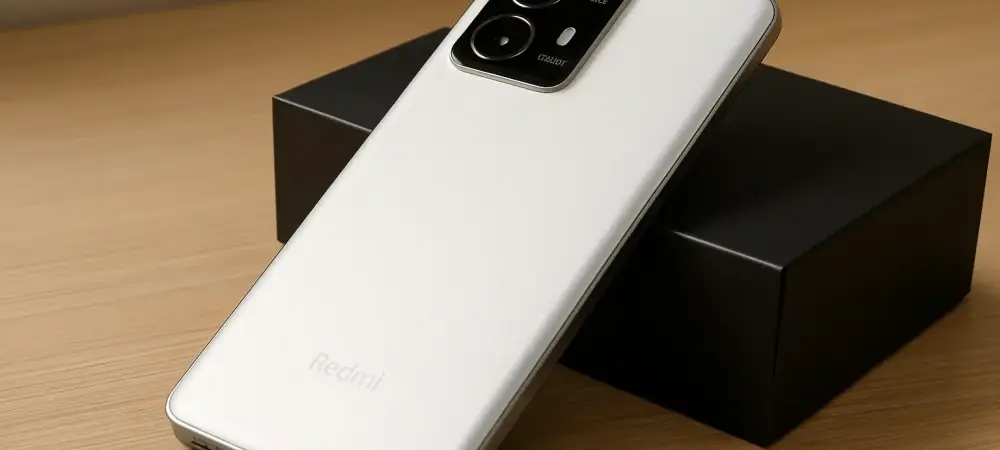
With a keen eye on the intersection of advanced technology and everyday consumer electronics, Dominic Jainy has established himself as a leading voice in the industry. As an IT professional specializing in AI, machine learning, and blockchain, he brings a unique perspective to the practical applications and strategic decisions that shape the devices we use daily. Today, we delve into the recent leaks surrounding the much-anticipated Poco X8 Pro, exploring what the rumored specifications truly mean for users. We’ll touch on the tangible benefits of its powerful new battery and charging capabilities, unpack the global business strategy behind Xiaomi’s device rebranding, analyze how its core hardware positions it in a crowded market, and examine the delicate balance between high-end features and mid-range affordability.
Reports point to the Poco X8 Pro featuring a 6,500 mAh battery and 100W charging. Beyond just longer screen time, what are the practical, day-to-day user experience benefits and potential trade-offs, such as device weight or heat management, from these upgrades?
These numbers represent a significant shift in user freedom. A 6,500 mAh battery isn’t just about lasting a full day; it’s about eliminating that nagging “battery anxiety” that dictates our behavior. It means you can confidently leave the house for a long day of shooting video, navigating with GPS, and streaming content without constantly searching for an outlet. When you do need to charge, the 100W speed is transformative—a quick 15-minute coffee break could give you hours of use. However, there are physical realities to consider. Packing in such a large battery often means a thicker, heavier device, which you’ll definitely feel in your hand and pocket. Furthermore, pushing 100W of power generates substantial heat, demanding a sophisticated internal cooling system to maintain performance and battery health over time.
Xiaomi often rebrands devices, with the Redmi Turbo 5 expected to launch globally as the Poco X8 Pro. Could you elaborate on the strategic reasons for this approach and how it impacts regional marketing, component sourcing, and software updates for consumers?
This rebranding strategy is a masterful lesson in market segmentation and supply chain efficiency. Xiaomi leverages the immense scale of its domestic production for the Redmi line, which allows them to secure components like chipsets and displays at a lower cost. By re-launching a proven device under the Poco brand globally, they can tailor the marketing to a different audience—Poco is known for its performance-focused, “no-frills” appeal to a younger, tech-savvy crowd. This also streamlines software development, as the core HyperOS code is already in place. The main impact for consumers can be slight variations in hardware; we see that with the battery, where the global Poco model may have a different capacity than its Chinese counterpart to meet specific price points or regulations.
The Poco X8 Pro is expected to use a MediaTek Dimensity 8500 Ultra chipset alongside a 120 Hz AMOLED display. How does this combination position the phone against its competitors, and what specific performance gains in gaming or daily tasks should users anticipate?
This pairing is a classic Poco move: delivering a premium-tier experience at a mid-range price. The MediaTek Dimensity 8500 Ultra is a powerhouse chipset designed to handle demanding tasks with ease. When you combine that processing muscle with a 120 Hz AMOLED display, the user experience becomes incredibly fluid and responsive. For gamers, this means higher, more stable frame rates and reduced input lag, making fast-paced action feel immediate and immersive. In daily use, the difference is just as palpable. Scrolling through social media, switching between apps, and watching videos will feel exceptionally smooth and vibrant, giving the phone a snappy, flagship-like feel that punches well above its expected price tag.
The Poco line is known for balancing performance and cost. Considering the expected upgrades, where do you see the biggest compromises being made to maintain its price point, and how might this affect the phone’s overall value proposition for its target audience?
To pack in that powerful chipset and display, compromises are inevitable, and they usually happen in areas that are less critical to the core performance enthusiast. I’d expect to see cuts in the camera system first—it will likely be very capable for daily shots but will lack the advanced sensors, optical stabilization, and sophisticated image processing of true flagships. Build materials are another common area; we’ll probably see a plastic frame and back instead of glass and metal. They might also opt for older-generation Gorilla Glass or skip an official IP rating for water resistance. For Poco’s target audience, these are often acceptable trade-offs. They prioritize raw speed and a great screen over photographic perfection or premium materials, so the phone’s value proposition remains incredibly strong for them.
What is your forecast for the mid-range smartphone market?
I believe the mid-range market will become the most innovative and competitive battleground in the industry. We’re seeing a rapid “democratization” of flagship features, where things like 100W+ charging, 120 Hz AMOLED displays, and powerful processors are no longer exclusive to thousand-dollar phones. The key differentiator will shift from raw specs to the overall user experience—how well the software is optimized, the intelligence of the battery management, and the integration of useful AI features. Companies that can deliver a smooth, reliable, and intelligent experience while successfully navigating the necessary hardware compromises will be the ones who win the hearts and wallets of the majority of consumers.