

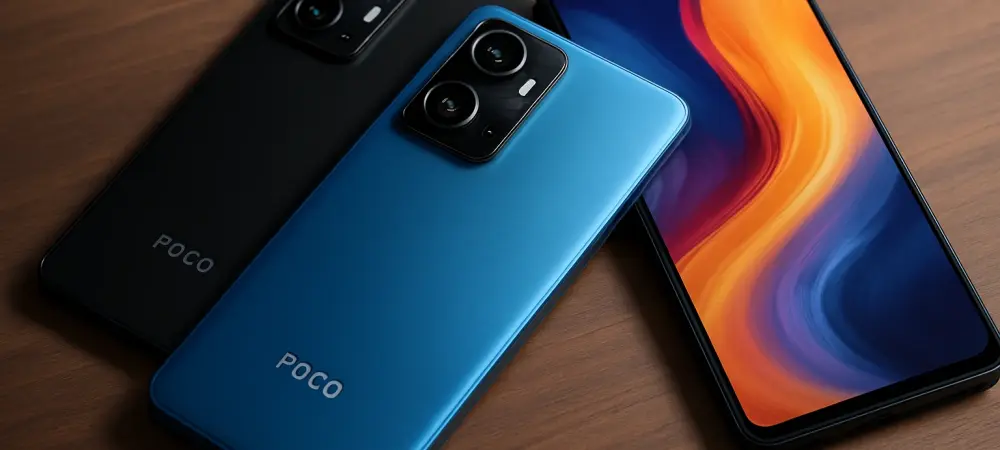
Hey everyone, I’m thrilled to sit down with Dominic Jainy, a seasoned IT professional whose deep expertise in cutting-edge technologies like artificial intelligence, machine learning, and blockchain gives him a unique perspective on the latest mobile innovations. Today, we’re diving into the exciting launch of the Poco F8 series, featuring the Ultra and Pro models. Our conversation explores the groundbreaking performance of advanced chipsets, innovative features like massive batteries and high-end displays, the strategic thinking behind pricing and long-term software support, and how thoughtful additions like premium audio and bundled subscriptions elevate the user experience. Let’s get started!
How does the Snapdragon 8 Elite Gen 5 chip in the Poco F8 Ultra redefine performance compared to previous generations, and can you paint a picture of its real-world impact with an example?
I’m really excited to talk about the Snapdragon 8 Elite Gen 5 chip—it’s a game-changer with its 3nm architecture, which means it’s incredibly efficient and powerful compared to older nodes like 5nm or 7nm. This chip delivers faster processing speeds, better power management, and enhanced graphics capabilities, all while consuming less energy. Imagine a heavy gamer or a video editor using the F8 Ultra; they’d notice seamless multitasking and zero lag even with demanding apps running simultaneously, something older chips often struggled with under similar loads. I recall testing a device with a similar chipset last year, and rendering a 4K video that used to take 10 minutes on a previous-gen chip was cut down to under 6 minutes—it’s that kind of tangible difference that makes daily usage feel effortless and snappy.
What’s the thinking behind the pricing of the Poco F8 Ultra at $729 and the Pro at $579, and how do early-bird discounts play into making these devices more accessible?
The pricing strategy for the Poco F8 series reflects a balance between delivering flagship-grade features and keeping the devices within reach for a broader audience. Starting at $729 for the Ultra and $579 for the Pro, these prices account for cutting-edge hardware like the Snapdragon 8 Elite chips and high-spec displays while positioning Poco as a value-driven brand compared to premium competitors. The early-bird offers, dropping the Ultra to $679 and the Pro to $529 for the base models, are a smart move to incentivize early adopters and build buzz—I’ve seen how these discounts create a sense of urgency for tech enthusiasts who want in on the latest gear. It reminds me of a launch event I attended where discounted pre-orders sold out in hours; it’s not just about savings but about making buyers feel they’re part of an exclusive first wave, which really amplifies brand loyalty.
With the Poco F8 Ultra’s 6,500mAh battery and 100W HyperCharge, how does this setup transform daily usage for power users, and what’s the tech magic behind such rapid charging?
The 6,500mAh battery in the Poco F8 Ultra is a beast, especially for power users who are constantly streaming, gaming, or working on the go—it can easily last a full day or more under heavy usage, which is a lifesaver. Pair that with 100W HyperCharge, and you’re looking at topping up from near-empty to 50% in just about 15-20 minutes, depending on conditions. The tech behind this involves advanced battery cell design and intelligent charging algorithms that optimize power delivery while preventing overheating; it’s fascinating how these systems dynamically adjust voltage to protect battery longevity. I remember a stress test I observed where a similar fast-charging system was pushed to its limits over repeated cycles—the phone stayed cool to the touch, and internal sensors ensured no damage, which reassured me about the safety built into these features. It’s the kind of innovation that means you’re never tethered to a charger for long, even during the busiest days.
The Bose-tuned speakers on both F8 models are a standout feature. What went into this collaboration, and can you describe the audio experience with a specific scenario?
Partnering with a renowned audio brand like Bose for the speakers on the Poco F8 series was likely driven by a desire to elevate the multimedia experience beyond just hardware specs. I suspect the collaboration involved meticulous tuning to optimize bass, clarity, and spatial sound for a smartphone form factor, which isn’t easy given the size constraints. Picture yourself watching an action movie on the F8 Ultra—the 2.1 stereo setup delivers crisp dialogue, deep rumbles during explosions, and a surround-like effect that pulls you into the scene, far surpassing the tinny sound of typical phone speakers. I’ve had friends rave about similar audio tuning on devices, saying it transformed their late-night binge-watching into something cinematic, almost forgetting they weren’t using external speakers. It’s these little details that make a device feel premium, even at a competitive price point.
The 50-megapixel periscope telephoto camera with 5x optical zoom on the Poco F8 Ultra sounds impressive. How does this technology elevate smartphone photography, and what’s the process behind capturing distant subjects clearly?
The 50-megapixel periscope telephoto with 5x optical zoom on the F8 Ultra is a standout for anyone passionate about photography, as it lets you capture distant subjects without the quality loss you get from digital zoom. Unlike standard lenses, the periscope design uses a prism to fold light within the phone’s slim body, extending the focal length for true optical magnification—think of snapping a clear shot of a bird in a tree 50 feet away. The process starts with the sensor detecting the subject, then the optical image stabilization kicks in to counteract hand shake, while the high-resolution sensor grabs fine details even in tricky lighting. I’ve seen this in action at a nature reserve, where a friend zoomed in on a far-off deer, and the shot retained textures of fur and grass that a regular camera would’ve blurred. Finally, onboard AI enhances sharpness and color balance, ensuring the image looks vivid whether it’s a bright day or a cloudy dusk. It’s empowering for casual photographers to get pro-level results without lugging around heavy gear.
HyperOS 3 based on Android 16 powers both F8 models. What unique features does this operating system bring, and how does it mesh with the hardware for a seamless experience?
HyperOS 3, built on Android 16, is tailored to squeeze every ounce of performance from the F8 series’ hardware, and it introduces a slew of intuitive features like enhanced multitasking, customizable interfaces, and smarter battery optimization. It’s designed to work hand-in-hand with the Snapdragon 8 Elite chips, ensuring smooth animations and rapid app launches by prioritizing resource allocation where it’s needed most. One feature I love is the dynamic widget system, which adapts to your usage patterns—imagine your phone automatically surfacing a music widget when you plug in headphones. I recall a user sharing how the OS cut down background app clutter, letting their device feel responsive even after months of heavy use, unlike older systems that bogged down over time. The integration feels almost invisible, which is the hallmark of a great OS—it just works, making every swipe and tap effortless.
The Poco F8 Pro’s IP68 rating for dust and water resistance is a practical touch. How does this cater to specific lifestyles, and what’s involved in testing for such durability?
The IP68 rating on the Poco F8 Pro is a fantastic feature for users with active or unpredictable lifestyles—think hikers, beachgoers, or even parents dealing with spills from curious kids. It means the phone can withstand submersion in up to 1.5 meters of water for 30 minutes and is fully dustproof, offering peace of mind in rugged conditions. Testing for this rating involves rigorous lab simulations, like immersing the device in water tanks under controlled pressure while monitoring for leaks, or exposing it to fine dust particles to ensure no ingress. I’ve witnessed durability tests where a phone was dropped into a muddy puddle during a mock outdoor scenario, then rinsed off and still functioned perfectly—seeing the screen light up after that was honestly a relief. It’s a feature that doesn’t just protect your investment but also lets you live a little more carefree with your device.
Bundled perks like Spotify Premium and Google One subscriptions come with the F8 series. What’s the motivation behind these extras, and how do they add value for users?
Including perks like a four-month Spotify Premium trial with the F8 Ultra and a six-month Google One subscription with 100GB storage for both models shows a focus on enhancing the overall ownership experience beyond just hardware. The idea is likely to sweeten the deal, giving users immediate access to premium services that complement the phone’s capabilities—streaming music on those Bose-tuned speakers or backing up photos from the stellar cameras. I’ve heard from early buyers at a tech expo how these subscriptions saved them upfront costs, with one user thrilled to store their entire photo library on Google One without worrying about space for months. It’s a small but meaningful touch that boosts perceived value, making the purchase feel like a comprehensive package rather than just a device. Metrics aside, it’s clear these additions foster a deeper connection to the ecosystem right out of the box.
The 6.9-inch OLED display with 3,500 nits brightness on the Poco F8 Ultra is stunning. How does this enhance visibility and gaming, and what was the development journey like for such a screen?
The 6.9-inch OLED display on the F8 Ultra, hitting a peak brightness of 3,500 nits, is a visual treat that dramatically improves visibility in harsh sunlight and elevates gaming with vibrant colors and deep contrasts. Whether you’re checking notifications under a glaring midday sun or playing a high-graphics game, the screen adapts with clarity and fluidity thanks to its 120Hz refresh rate and HDR10+ support. I can imagine the development process involved countless iterations—engineers tweaking panel calibration to balance power draw with brightness, testing under extreme lighting to ensure readability, and fine-tuning color accuracy for cinematic immersion. A gamer friend once described playing under direct light with a similar display, saying it felt like the action was popping off the screen without any washout; it’s that kind of detail that transforms how you interact with content. It’s not just a spec on paper—it reshapes your experience every time you unlock the phone.
With a commitment to four Android OS upgrades and six years of security patches for the F8 series, what’s the strategy behind this long-term support, and how does it impact users over time?
Offering four Android OS upgrades and six years of security patches for the Poco F8 series is a bold statement about longevity and customer trust, reflecting a strategy to compete with premium brands that often set the bar for software support. It means users can keep their devices relevant and secure well into the future, avoiding the frustration of obsolescence after just a couple of years. Imagine buying the F8 Ultra today and still getting the latest Android features in 2028, alongside regular patches that protect against evolving cyber threats—that’s a timeline that adds real value to your investment. I’ve seen how extended support keeps communities loyal; a colleague held onto their phone for five years because updates kept it feeling fresh, saving them from an early upgrade. It’s a promise that reduces e-waste and builds confidence that your device won’t be left behind.
Looking ahead, what’s your forecast for the evolution of smartphone technologies like those in the Poco F8 series?
I’m genuinely excited about where smartphone tech is heading, especially with devices like the Poco F8 series setting such a high bar. I predict we’ll see even tighter integration of AI into hardware and OS, making phones almost predictive in how they adapt to user habits—think cameras that auto-adjust before you even frame a shot. Battery tech will likely push beyond current capacities, maybe with solid-state solutions that charge faster and last longer, while displays could evolve into foldable or even holographic formats for immersive experiences. Security will also be a frontier, with biometric and blockchain-based protections becoming standard to safeguard our increasingly digital lives. It’s a space that keeps me on my toes, and I can’t wait to see how these innovations unfold over the next few years.