

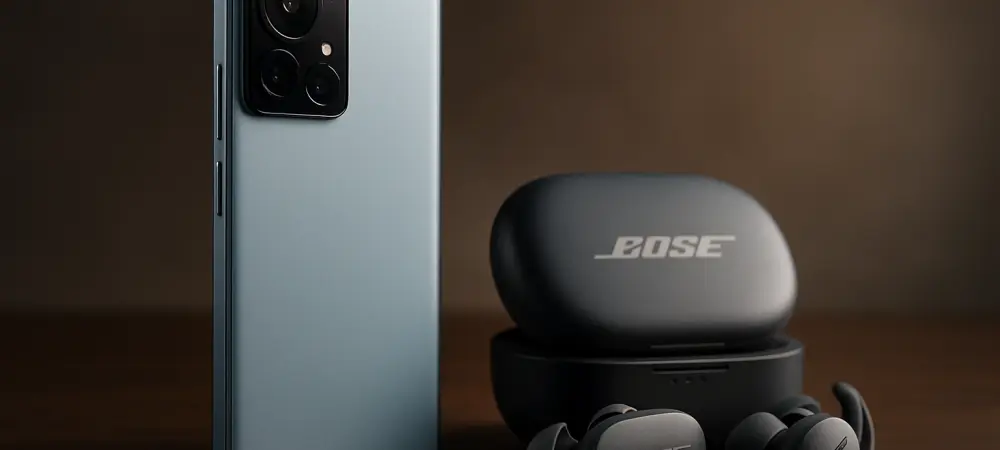
In a world where smartphones are expected to deliver far more than just calls and texts, a leaked glimpse of a new contender has set the tech community abuzz with excitement. Picture a device that promises not only top-tier performance but also an audio experience crafted by one of the most iconic names in sound—Bose. This revelation comes from a sneak peek at a retail box image, igniting curiosity about what could be one of the most exciting releases in the mid-to-high-end smartphone segment. What makes this device stand out in an already crowded market?
Why This Smartphone Stirs Excitement
The significance of this upcoming release lies in its potential to redefine value in the smartphone arena. As consumers increasingly seek premium features without the flagship price tag, this device emerges as a beacon of innovation and affordability. With whispers of advanced specifications and a unique audio partnership, it taps into a growing demand for multimedia excellence. This launch could mark a pivotal moment for Poco, a brand known for challenging norms and delivering high-end experiences at accessible costs.
The broader context of this release aligns with industry shifts toward sustainable practices and tailored market strategies. Manufacturers are balancing consumer expectations with environmental considerations, often sparking debate. Understanding the weight of these factors highlights why this smartphone has captured such widespread attention among tech enthusiasts and everyday users alike.
Unveiling the Leaked Powerhouse Features
A flurry of leaks has painted a vivid picture of what this device might bring to the table. The standout detail is the ‘Sound by Bose’ branding spotted on the retail box, hinting at a collaboration that could elevate smartphone audio to new heights. Drawing parallels with similar integrations in devices like the Redmi K90, this feature suggests a listening experience that might rival standalone audio equipment, a rare feat for phones in this category.
Beyond sound, the rumored specifications point to a performance juggernaut. Expectations include a 6.59-inch OLED display for breathtaking visuals, powered by a Snapdragon 8 Elite SoC. With configurations potentially reaching up to 16GB of RAM and 1TB of storage, the hardware seems poised to handle everything from gaming to multitasking with ease. Add to that a speculated triple rear camera system featuring a 50-megapixel primary sensor and a 20-megapixel front camera, and the device appears ready to impress photography buffs as well.
Battery life, often a deciding factor for many, also looks promising with a rumored 7,100mAh capacity and 100W wired charging. However, the absence of an in-box charger, as suggested by leaks, might stir controversy. While this aligns with trends to cut electronic waste, it could inconvenience buyers who expect a complete package. Certifications on platforms like Singapore’s IMDA, showcasing support for 5G, Bluetooth, Wi-Fi, and NFC, further cement the device as a modern powerhouse.
Voices from the Tech Sphere
Reactions from the tech world add fuel to the mounting hype. Tipster Abhishek Yadav, who shared the initial retail box image, has sparked fervent online discussions about the implications of Bose-tuned audio in a smartphone. Many enthusiasts speculate that this could set a benchmark for sound quality, potentially outshining competitors in the same price range. Such buzz reflects a collective eagerness to see if the audio promise translates into real-world excellence.
Industry analysts have also weighed in, pointing to a pattern in Xiaomi’s strategy of rebranding successful China-exclusive models, like the Redmi K90, for global markets. This approach often ensures tested technology reaches international audiences with slight tweaks for regional appeal. Meanwhile, community forums reveal a divide over the missing charger—some applaud the eco-conscious decision, while others grumble about the extra cost of buying a compatible adapter. These varied opinions underscore the high expectations tied to this launch.
Navigating the Anticipated Release
As the launch window draws closer, staying informed is key to capitalizing on what this device offers. Tracking official updates through Poco’s social media platforms and trusted tech news outlets will provide clarity on release dates and pricing. Given that the Redmi K90 starts at approximately $32,000 in China, a similar price point, adjusted for taxes and branding, might be expected globally, making it a competitive option in its segment.
Preparation also involves planning for accessories, especially with the rumored lack of a bundled charger. Investing in a 100W fast charger could ensure users fully leverage the rapid charging capabilities. Additionally, evaluating personal needs against the leaked specs—whether it’s the premium audio for media consumption or the robust processor for gaming—will help determine if this phone fits specific lifestyles. Exploring related products in Poco’s lineup, such as the speculated Poco Pad M1 or Poco F8 Ultra, might also reveal complementary tech solutions.
Reflecting on a Bold Step Forward
Looking back, the anticipation surrounding this smartphone painted a vivid picture of innovation meeting practicality. The leaked details, from Bose audio integration to elite performance specs, showcased Poco’s ambition to push boundaries in the mid-to-high-end market. Even the controversies, like the missing charger, sparked meaningful conversations about sustainability versus convenience.
Moving forward, potential buyers were encouraged to stay proactive—monitoring announcements, securing necessary accessories, and weighing the device’s features against personal needs. As the tech landscape continued to evolve, this release stood as a reminder of how brands could balance cutting-edge advancements with consumer-focused value. The stage was set for Poco to make a lasting impact, and all eyes remained on how this device would shape expectations in the smartphone realm.