

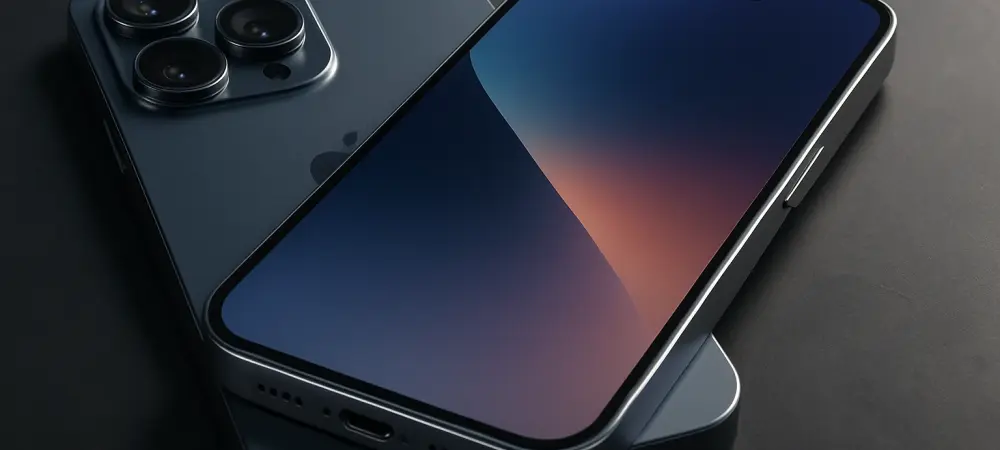
As the tech world buzzes with anticipation for Apple’s next big release, rumors and speculations are already painting a vivid picture of what the iPhone 18 Pro series might bring to the table, even with its expected debut still a year away in September 2026. This upcoming lineup promises to continue Apple’s legacy of innovation, blending cutting-edge technology with striking design choices that could redefine smartphone standards. From whispers of bold new color options to groundbreaking advancements in display and performance, the excitement is palpable. Every leaked detail and insider tip suggests that Apple is gearing up to push boundaries once again, catering to both aesthetic enthusiasts and tech-savvy users. The focus on the Pro models, in particular, hints at a device that could set a new benchmark in the industry, sparking curiosity about how these rumored features will shape the user experience and influence market trends over the coming years.
Unveiling Bold Design and Color Innovations
Among the most captivating rumors surrounding the iPhone 18 Pro is the introduction of three fresh colorways that aim to redefine its visual appeal. According to tips from industry insiders, shades like Burgundy, Coffee, and Purple are set to join the lineup, offering a sophisticated and modern palette. While Purple echoes tones seen in earlier models, Burgundy and Coffee mark entirely new territory for Apple, with Coffee potentially resembling a deeper, earthier take on recent titanium finishes. This move signals a deliberate shift toward distinctive, bold aesthetics, though the reported decision to exclude a classic black option for the Pro models may leave some fans yearning for a more traditional look. Beyond colors, design whispers point to a refined approach, with Apple seemingly intent on balancing style with functionality. These aesthetic choices reflect a broader strategy to cater to diverse tastes, ensuring the device stands out in a crowded market while maintaining the premium feel that defines the Pro series.
Pushing Technological Boundaries with Advanced Features
On the technology front, the iPhone 18 Pro is poised to deliver significant upgrades that could elevate the smartphone experience to new heights. Rumors suggest a 6.26-inch LTPO OLED display with a crisp 1.5K resolution, featuring Hole-in-Active-Area (HIAA) technology. This innovation would allow for an under-display Face ID sensor, reducing visible screen components to just the selfie camera and creating a sleeker, more immersive design. Additionally, the debut of the A20 chip, built on TSMC’s second-generation 2nm process, promises enhanced power efficiency and thermal management. With a Wafer-Level Multi-Chip Module design integrating the system-on-chip and DRAM, this chip aims to optimize performance, especially for demanding tasks tied to Apple Intelligence. These advancements underscore a commitment to sustainability alongside raw power, positioning the device as a leader in both innovation and practicality for users seeking top-tier performance in their daily interactions with technology.