

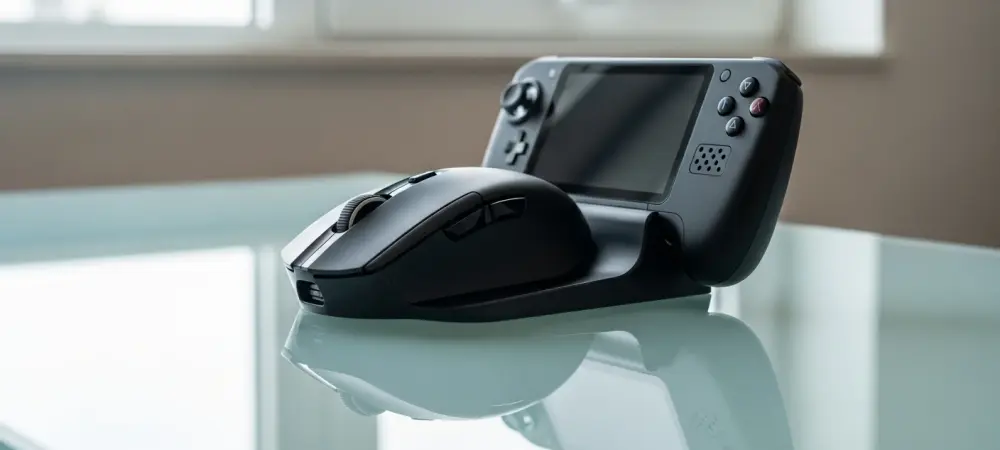
The long-standing divide between high-precision mouse inputs and ergonomic gamepad controllers is finally seeing a technological convergence through the arrival of unconventional modular hardware. As competitive gaming expands across diverse ecosystems, players often find themselves juggling multiple peripherals to maintain peak performance on various platforms. Startup Pixelpaw Labs aims to simplify this cluttered setup with the Phase, a specialized device that functions as a traditional gaming mouse before physically splitting into two distinct handheld units. This transformation is made possible through a sophisticated internal architecture utilizing high-strength magnets and pogo-pin connectors, allowing the halves to snap together or function independently. By integrating these two traditionally separate input methods into a single chassis, the hardware addresses the logistical challenges of modern cross-platform play without requiring users to switch between entirely different sets of equipment during a session. This modular approach serves as a bridge for gamers who frequently transition between fast-paced shooters and controller-oriented action titles.
Engineering Versatility: Technical Specifications and Tactile Performance
Beneath its modular exterior, the Phase utilizes a high-performance 16,000 DPI sensor to ensure that accuracy remains uncompromised during intense desktop sessions. To accommodate the split design, the engineering team replaced the traditional mechanical scroll wheel with a touch-sensitive surface on the left side, providing a tactile scrolling experience that does not interfere with the internal magnetic locking system. In its controller configuration, the device mirrors the layout of modern handheld consoles, featuring dedicated thumbsticks, a directional pad, face buttons, and responsive shoulder triggers. Connectivity options are equally robust, supporting low-latency 2.4GHz wireless through a dedicated dongle with a 1,000Hz polling rate, alongside Bluetooth and traditional wired modes. This versatility extends to software customization through a feature known as Layers, which permits users to map secondary functions to every button, ensuring seamless compatibility across Windows, Linux, and mobile operating systems like Android and iOS without requiring specialized drivers for each platform.
Market Strategy: Strategic Positioning and Future Considerations
The introduction of the Phase signaled a broader industry shift toward multi-functional hardware that prioritized adaptability over specialized singularity. While the optional Phase Grip accessory further enhanced its utility by transforming the unit into a mobile gaming cradle, the significant entry price established it as a premium enthusiast product. Market observers noted that at $159 for the base model, the device entered a highly competitive landscape dominated by established professional-grade peripherals. For those seeking to streamline their equipment, the investment represented a strategic move toward a unified hardware ecosystem. Prospective adopters looked toward upcoming crowdfunding milestones to assess the long-term viability of this hybrid approach compared to dedicated controllers. Ultimately, the success of the project hinged on its ability to prove that a singular device could provide ergonomic excellence in both configurations. This development encouraged manufacturers to rethink the rigid boundaries between traditional PC peripherals and mobile gaming accessories to better serve the modern user.