

In today’s rapidly evolving digital landscape, payment gateways have become an integral part of the online shopping experience. These gateways play a crucial role in facilitating secure and seamless transactions between customers and businesses, ensuring that sensitive financial information is protected. They act as an intermediary between the customer, the merchant, and the financial institutions involved in a transaction. With the increasing reliance on online shopping, payment gateways have evolved to offer a wide range of features and functionalities.
Function of Payment Gateways
Payment gateways serve as the bridge between customers, merchants, and financial institutions. They ensure the smooth flow of transactions by securely transmitting financial information. By providing this intermediary role, payment gateways take on the responsibility of protecting sensitive financial data from unauthorized access and fraud. These gateways act as a vital security layer, giving customers peace of mind while making online purchases.
Evolution of Payment Gateways
Over the years, payment gateways have undergone significant changes and advancements. Initially, they supported basic payment methods such as credit cards. However, as technology advanced and customer preferences changed, payment gateways evolved to support a wide range of payment methods. Today, a modern payment gateway can handle various payment options, including credit and debit cards, e-wallets, bank transfers, and even cryptocurrencies like Bitcoin.
Security Measures of Payment Gateways
Ensuring the security of financial information during transmission is a top priority for payment gateways. They employ advanced encryption and tokenization techniques to safeguard sensitive data. Encryption converts information into a code that can only be accessed with the correct decryption key, making it nearly impossible for hackers to intercept and decipher the data. Tokenization, on the other hand, replaces the customer’s financial information with tokens that have no intrinsic value, adding an extra layer of protection against data breaches.
Adaptation to Changing Needs
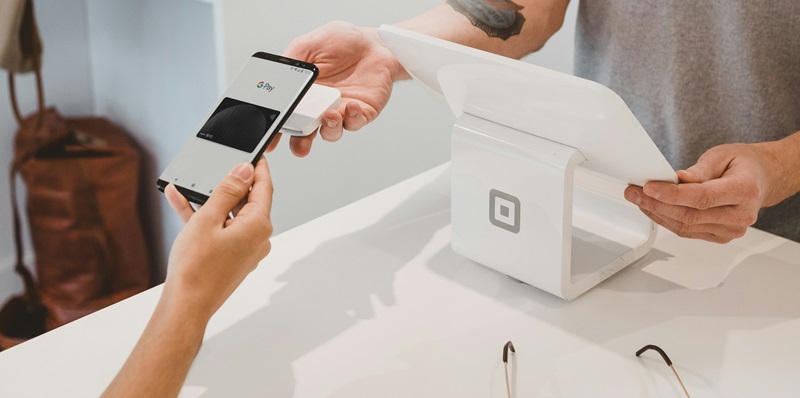
To stay relevant in the ever-changing digital landscape, payment gateways have adapted to the changing needs of businesses and customers. They have expanded their capabilities to support alternative payment methods, such as mobile wallets and contactless payments. Additionally, payment gateways offer enhanced security features like two-factor authentication and real-time monitoring of transactions to prevent fraudulent activities. By embracing these changes, payment gateways ensure that customers have a seamless and secure online shopping experience.
Future Trends in Payment Gateways
The future of payment gateways will be shaped by the demand for enhanced security measures, improved transaction speeds, and a seamless user experience. As technology continues to advance, payment gateways will explore innovative ways to enhance security, such as biometric authentication and artificial intelligence-powered fraud detection systems. Furthermore, they will focus on improving transaction speeds to reduce checkout friction and increase customer satisfaction. Payment gateways will also adapt to the growing popularity of mobile commerce by providing solutions that meet the unique requirements of mobile devices.
Mobile Commerce and Payment Gateways
The rise of smartphones and mobile apps has revolutionized the way people shop online. Payment gateways have recognized the importance of mobile commerce and have adjusted their services accordingly. They offer mobile-optimized interfaces, ensuring seamless integration with mobile apps and responsive websites. Payment gateways also leverage technologies like near-field communication (NFC) and QR codes to enable quick and convenient mobile payments. By adapting to the unique requirements of mobile devices, payment gateways provide customers with a hassle-free and secure payment experience across different platforms.
As we move forward in the digital transformation, payment gateways will continue to evolve to meet the demands of the ever-changing online landscape. Their importance in ensuring secure and seamless online transactions cannot be overstated. By expanding their capabilities to support diverse payment methods and offering enhanced security measures, payment gateways contribute to the growth of e-commerce. As technology advances, payment gateways will remain steadfast in their commitment to making online transactions safe, convenient, and accessible to all.