

In the bustling heart of Osaka, Japan, a typical computer shop named PC Ones has caused quite a stir with an innovative Gatchapon vending machine. Uniquely, this machine vends not the usual toys but vintage Intel processors. For an accessible 500 yen, around $3, tech enthusiasts and thrifty shoppers flock to try their luck. But this initiative isn’t just about scoring a good deal on old tech; it’s about setting a trend for eco-friendly technology use. By repurposing these processors, PC Ones is taking a stance against the rising issue of electronic waste, giving these chips a second chance at life. This move not only satisfies nostalgic collectors and bargain hunters but also advocates for a greener approach to tech consumption that could significantly reduce the amount of e-waste, ensuring that older technology remains useful and out of landfills.
A Unique Blend of Novelty and Nostalgia
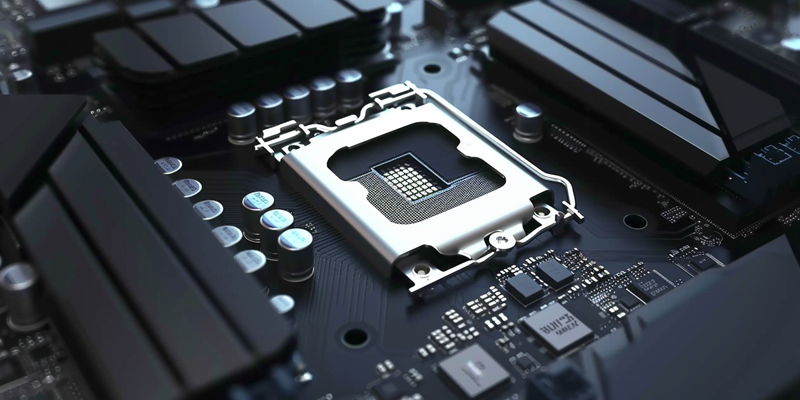
Concealed within the steel-and-glass labyrinth of modern technology at PC Ones, the Gatchapon machine beckons customers with a hint of nostalgia. The process feels more akin to a game of chance than a shopping experience. The thrill of getting an Intel Core i7-8700 CPU from such an unconventional source is palpable. With a release date reaching back to 2017, this chip fits snug into an LGA 1151 socket, ready to reclaim its role in someone’s computer build. The machine isn’t just vending CPUs; it’s offering an adventure back in time to the days when these silicon brains were the beating hearts of the latest computers.
The revelation of these CPUs’ resilience comes alive as a customer shares their experience of dropping coins into the Gatchapon slot and receiving a processor capable of powering on—leading to a suspenseful moment as it boots to the BIOS. It’s a retail experience rarely associated with the word ‘surprise,’ but here in Osaka, it’s the cornerstone of an innovative experiment.
Assessing the Value of Recycled Technology
Once the excitement settles, the true test begins. The customer proceeds to install Windows 10, pushing the vintage i7-8700 to its paces with benchmarks from Cinebench R23. The results are simultaneously encouraging and sobering, with one CPU core and two threads showing signs of failure. Yet, the undeniable essence of the deal shines through. For the price of a fast-food meal, one can obtain a piece of technology that still holds considerable value. Even with an imperfect performance, the processor from the Gatchapon machine demonstrates how old technology can retain functionality and utility in the right hands.
This innovative concept is more than just a quirky addition to a tech store—it is an exemplary model for addressing the significant problem of electronic waste. Through this enterprising method of redistribution, PC Ones isn’t simply unloading outdated stock; it’s presenting a sustainable alternative capable of extending the useful lifespan of electronic components thought to be nearing obsolescence.
Beyond the Gimmick: A Sustainable Approach
The precise inventory of this Gatchapon remains uncertain, but its ability to potentially release older high-performance CPUs like i7s and i9s adds an extra layer of intrigue and value. Nonetheless, it’s admitted that some may find themselves the recipient of components more suited for display than practical application, capturing tech history in a capsule. This story, however, isn’t merely about one store’s unique venture. It’s a narrative that could have implications worldwide, inspiring tech retailers as large as Micro Center in the US to embrace similar green initiatives. This could help clear out inventory in an engaging and eco-conscious manner, potentially setting a new standard for the industry.
Reimagining Retail in the Tech Sphere
PC Ones epitomizes a transformative approach to tech retail, reshaping the landscape to prioritize our planet’s well-being. This innovative model intertwines active customer engagement with a touch of nostalgia, steering the path of consumerism towards sustainability rather than wastefulness. Shoppers not only find value in reasonably priced gadgets but also engage as active contributors to a thriving marketplace that celebrates revitalization over redundancy.
The commitment to reducing electronic waste is at the core of PC Ones’ philosophy. It’s a forward-thinking strategy that marries the thrill of uncovering unique tech gems with the obligation of preserving our environment. In this retail revolution, customers are not just purchasing devices; they are also pledging allegiance to a movement that confronts one of the modern world’s most pressing environmental issues. PC Ones is redefining the retail experience, forging an alliance between consumer excitement and eco-consciousness.