

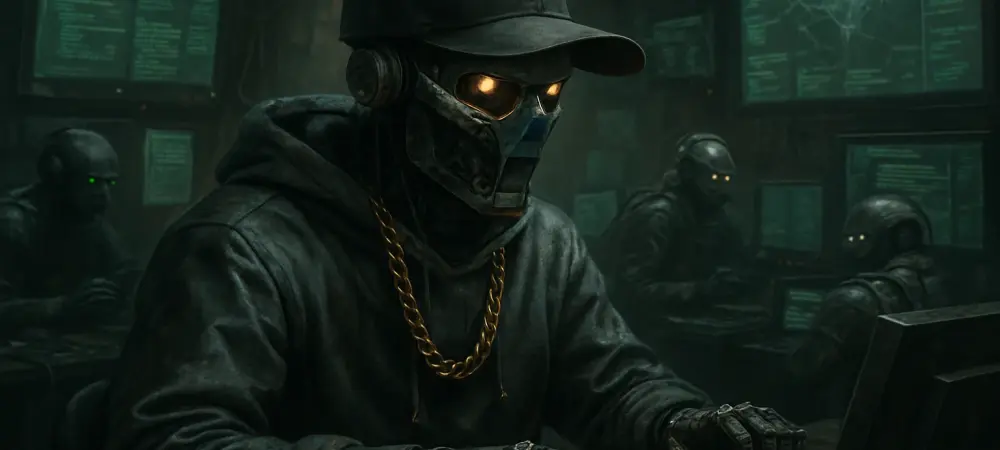
In a striking reminder of the pervasive dangers lurking in the digital realm, a young man from Oregon has been implicated in orchestrating one of the most formidable cyberattack networks known to date, highlighting the alarming accessibility of cybercrime tools. Ethan Foltz, a 22-year-old resident, faces serious charges for allegedly running a distributed denial-of-service (DDoS) botnet named Rapper Bot, which has wreaked havoc across more than 80 countries. This malicious network, targeting everything from government systems to social media platforms, underscores the potential to disrupt critical infrastructure on a global scale. The case highlights a growing concern among cybersecurity experts and law enforcement about the escalating sophistication of such threats, painting a vivid picture of a digital battleground where both private and public sectors are increasingly vulnerable.
Unveiling the Scale of the Cyber Threat
The Mechanics and Reach of Rapper Bot
At the heart of this cybercrime saga lies Rapper Bot, a botnet that has reportedly compromised between 65,000 and 95,000 devices worldwide, including Digital Video Recorders (DVRs) and WiFi routers. These infected devices are harnessed to launch crippling DDoS attacks, overwhelming targeted systems with traffic volumes ranging from two to three terabits per second (Tbps), and in some instances, exceeding six Tbps. Since the botnet’s recent surge in activity, over 18,000 unique victims have been affected in more than 370,000 separate incidents. The breadth of this operation is staggering, impacting a diverse array of entities, from tech giants to government networks in the United States. This relentless barrage of attacks not only disrupts services but also serves as a stark reminder of how everyday devices can be weaponized in the hands of malicious actors, creating a pervasive threat that spans continents.
Financial and Operational Fallout for Victims
The consequences of Rapper Bot’s attacks extend far beyond mere inconvenience, inflicting substantial financial and operational damage on its victims. A single 30-second attack can cost targeted organizations anywhere from $500 to $10,000, factoring in lost revenue, customer dissatisfaction, and the resources required to mitigate the onslaught. Bandwidth expenses further compound these losses, as companies scramble to restore normalcy in the wake of such disruptions. Beyond monetary costs, the reputational harm can be irreparable, particularly for businesses reliant on digital trust. Moreover, allegations have surfaced that some clients of this botnet have leveraged these attacks for extortion, demanding payments from victims to cease the digital assault. This coercive tactic adds a sinister layer to an already devastating scheme, highlighting the multifaceted impact of cybercrime on both economic stability and public confidence in digital systems.
Law Enforcement’s Response and Broader Implications
Collaborative Efforts to Dismantle the Network
In response to the escalating threat posed by Rapper Bot, a coordinated effort by law enforcement has led to significant strides in disrupting its operations. The Defense Criminal Investigative Service (DCIS), alongside the U.S. Attorney’s Office for the District of Alaska and various industry partners, has been instrumental in tracking down and charging Ethan Foltz with aiding and abetting computer intrusions. Official statements from key figures, such as U.S. Attorney Michael J. Heyman, emphasize the critical need to dismantle transnational criminal networks that endanger national security and critical infrastructure. This collaborative approach showcases a unified front against cybercrime, prioritizing the protection of vital systems like those tied to the Department of Defense. The successful intervention in this case sends a clear message to cybercriminals about the determination of authorities to pursue justice across borders.
Future Challenges in Combating Cybercrime
While the charges against Foltz mark a pivotal moment in curbing the Rapper Bot threat, they also illuminate the persistent challenges facing cybersecurity efforts. The rise of DDoS-for-hire services, where individuals can purchase attack capabilities for profit, reflects a troubling trend of increasing accessibility to sophisticated tools. Foltz’s alleged monetization of Rapper Bot as one of the most powerful botnets available underscores how lucrative cybercrime has become, posing risks to both private enterprises and public institutions. As technology continues to evolve, so too do the methods of exploitation, necessitating ongoing vigilance and innovation in defense strategies. The potential penalty of up to 10 years in prison for Foltz, if convicted, serves as a deterrent, yet the broader fight against such schemes demands sustained international cooperation and robust cybersecurity measures to safeguard digital landscapes from future threats.