

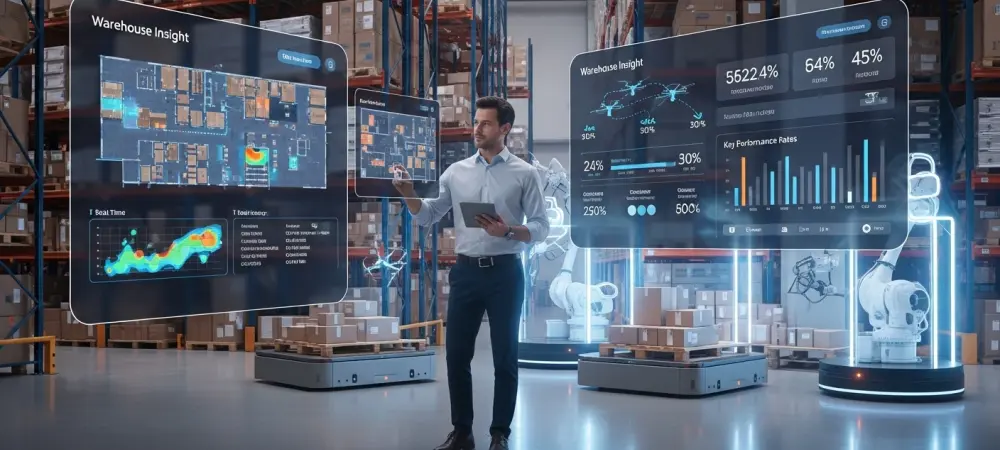
The global logistics landscape has undergone a radical transformation where the margin for error in inventory management has effectively vanished due to the intense pressure of same-day delivery expectations. Managing a modern facility using paper-based tracking or manual spreadsheets often results in a cascading series of delays that ripple through the entire supply chain, costing organizations thousands of dollars in lost productivity and missed shipping windows. Warehouse Insight, developed by Insight Works, integrates directly with Microsoft Dynamics 365 Business Central to bridge the gap between digital record-keeping and physical floor activities. By replacing antiquated manual processes with a mobile-first approach, companies can achieve a level of precision that was previously reserved for only the largest enterprise-level fulfillment centers. This synergy enables businesses to handle increasing order volumes without a proportional increase in labor costs, establishing a foundation for sustainable growth in a volatile market.
Synergizing ERP Intelligence: Mobile Connectivity
The introduction of the Wave 1 updates for Microsoft Dynamics 365 Business Central in 2026 has revolutionized how data is consumed on the warehouse floor through sophisticated AI-driven inventory forecasting and refined API architectures. These technological advancements provide the core logic and predictive capabilities required to anticipate demand spikes and manage stock levels with surgical precision. However, the effectiveness of any artificial intelligence model is entirely dependent on the quality and timeliness of the data it receives from the actual storage environment. Warehouse Insight serves as the essential nervous system for this ecosystem, capturing granular transactional data via ruggedized mobile devices as soon as events occur. By establishing this real-time link, the system ensures that the central ERP brain is never working with stale information. This immediate synchronization eliminates the common problem of data lag, where a purchase order might be received physically but not reflected in the digital system for several hours.
Connectivity between the office and the loading dock creates a unified environment where every scan contributes to a broader understanding of operational health and resource allocation. Workers equipped with barcode scanners can see exactly what needs to be received, where it should be placed, and which items are prioritized for outgoing shipments without ever having to consult a paper manifest. This digital thread ensures that the warehouse manager has a bird’s-eye view of all ongoing activities, allowing for rapid adjustments if a delivery arrives late or if a specific zone becomes congested. Furthermore, the integration supports a wide array of Android-based hardware, providing businesses with the flexibility to choose devices that match their specific environmental needs, whether in a standard temperature-controlled facility or a cold-storage warehouse. The resulting infrastructure is not just a tool for tracking boxes but a comprehensive platform for managing human capital and equipment more effectively than ever before.
Enhancing Inbound Logistics: Advanced Functionality
Optimization of the inbound process is a critical factor in maintaining a high-velocity warehouse, as any delay at the receiving dock can stall downstream activities like production and fulfillment. Warehouse Insight addresses this challenge by streamlining the verification of goods against purchase orders through instant barcode validation, which significantly reduces the likelihood of human error during the data entry stage. When a shipment arrives, staff can simply scan the items to confirm the quantities and specifications, and if a discrepancy is found, the system alerts them immediately before the goods are even moved from the dock. This proactive approach prevents the common issue of mislabeled inventory or incorrect counts polluting the ERP database. Moreover, the software allows for the immediate generation of put-away instructions, guiding the operator to the most logical bin location based on the size of the item, its turnover rate, and the current space availability within the facility.
Advanced license plating is another transformative feature that simplifies the movement of large quantities of inventory by assigning a single unique ID to a pallet, container, or crate containing multiple items. Instead of scanning every individual box when a pallet is moved or received, workers only need to scan the license plate to update the status of everything contained within that unit. This capability is particularly beneficial for manufacturers dealing with complex raw materials or distributors handling mixed-SKU pallets, as it drastically reduces the number of touches required to process a single shipment. Additionally, the integration of quality control tools means that inspection protocols are baked directly into the mobile workflow. If a shipment is flagged for inspection, the worker can capture photos of damages and record compliance notes on their mobile device, instantly blocking the inventory from being sold or used until it is cleared by a supervisor, thus ensuring that only high-quality goods enter the system.
Measuring Strategic Impacts: Operational Success
Moving from manual entry to automated scanning provides measurable fiscal benefits that often manifest as a 30% reduction in average cycle times for receiving and shipping operations. For a high-volume distributor, this efficiency gain translates into the ability to process more orders per shift without hiring additional temporary labor or extending working hours during peak seasons. The financial implications are profound, as the reduction in labor-intensive manual steps directly lowers the cost per unit handled, thereby improving overall gross margins. Furthermore, the accuracy provided by Warehouse Insight minimizes the costs associated with shipping errors, such as return shipping fees, restocking labor, and lost customer trust. By ensuring that the right product is in the right place at the right time, companies can maintain leaner inventory levels and improve their cash flow, as capital is no longer tied up in misplaced or redundant stock that remains hidden in a poorly managed warehouse environment.
Real-world applications of these integrated solutions provide a clear roadmap for how digital transformation drives explosive growth, as seen in the case of distributors like TDL Gentek. After implementing the combined power of Warehouse Insight and Dynamics 365 Business Central, the company managed to increase its total shipment volume from approximately 82,000 to over 128,000 within a relatively short timeframe. This 57% surge in throughput was achieved even as the organization significantly reduced its reliance on manual order entry, which dropped from nearly 80% to a mere 12%. Such statistics highlight that the true value of warehouse automation lies in its ability to decouple business growth from labor expansion. When a warehouse operates with a digital-first mindset, it becomes a scalable asset rather than a bottleneck, allowing the sales and procurement teams to pursue more aggressive targets without fearing that the logistics infrastructure will collapse under the weight of increased demand.
Adapting to Industry Trends: Future Demands
The modern industrial sector is shifting toward rapid deployment models that prioritize immediate return on investment over the multi-year implementation cycles that dominated the previous decade. Small and mid-sized businesses, in particular, are seeking “Quick Start” solutions that can be integrated within weeks rather than months to stay ahead of market shifts. Warehouse Insight meets this demand by offering a highly configurable architecture that adapts to existing workflows instead of forcing a company to rewrite its entire operational playbook. This agility is crucial in a post-disruption world where supply chain routes and vendor lead times can change overnight. Organizations that can pivot their logistics strategy quickly, while maintaining full visibility through their ERP system, are the ones that capture market share from slower competitors. The focus has moved from merely storing goods to creating a dynamic, responsive environment that acts as a strategic buffer against global volatility.
The decision to modernize warehouse operations through the integration of Warehouse Insight and Business Central proved to be a pivotal step for manufacturers and distributors seeking long-term resilience. By prioritizing mobile connectivity and real-time data accuracy, organizations successfully eliminated the friction that once characterized manual inbound logistics. The implementation of advanced features like license plating and integrated quality control allowed facilities to scale their throughput significantly while maintaining a high level of precision. Businesses that adopted these tools found themselves better equipped to handle the complexities of a modern global market, turning their warehouses into efficient data-driven centers. Moving forward, the focus shifted toward expanding these capabilities to include outbound logistics and shipping automation, creating a fully closed-loop system. The integration provided a robust foundation that empowered teams to focus on strategic growth rather than the daily struggle of inventory reconciliation.