

Introduction
The sheer anxiety of watching a smartphone battery percentage plummet during a busy day has driven mobile manufacturers to push the absolute limits of hardware engineering and software efficiency. The mobile landscape is currently witnessing a significant shift toward devices that prioritize endurance and performance over mere aesthetic gimmicks. Oppo has entered this fray with the Find X9s, a device designed to bridge the gap between high-end professional tools and everyday reliability. While the tech industry often focuses on incremental upgrades, this specific launch signals a commitment to long-term usability and cutting-edge software integration.
The objective of this exploration is to address the most pressing questions regarding the Find X9s and explore how its unique specifications influence the modern user experience. Readers can expect a detailed overview of the technical capabilities of the device, ranging from its unprecedented battery capacity to its role as a pioneer for the latest operating system updates. By understanding these nuances, consumers can better evaluate where this smartphone stands in an increasingly crowded global market. This article covers the hardware internals, the imaging system, and the regional availability of this new flagship entrant.
Key Questions or Key Topics Section
Why Is the Battery Capacity So Significant?
Modern smartphone users frequently struggle with the trade-off between high-performance displays and battery life, especially as 5G connectivity and high-refresh-rate screens become standard. The energy demands of contemporary applications and high-resolution video streaming often leave traditional 5,000mAh batteries struggling to survive a full day of heavy use. This challenge necessitates a move toward higher density cells that do not compromise the physical form factor of the device. The Find X9s addresses this concern by incorporating a massive 7,025mAh battery, a capacity that is remarkably rare for a standard flagship model. To ensure that such a large reservoir does not lead to agonizingly slow recovery times, the phone supports 80W wired fast charging. This combination allows users to maintain intensive workflows or gaming sessions without the constant need for a power outlet, effectively setting a new benchmark for endurance in the premium segment.
How Does Android 16 Enhance the User Experience?
Software longevity and security remain top priorities for consumers who view their smartphones as long-term investments. As operating systems become more complex, they require tighter integration with the underlying hardware to maintain a fluid interface. The introduction of new software versions often brings improved AI processing and better background task management, which are crucial for maintaining speed over several years of ownership. The Oppo Find X9s is among the first to ship with ColorOS 16, which is built upon the Android 16 platform. Powered by the octa-core MediaTek Dimensity 9500s chipset and the Immortalis G925 MC12 GPU, the device utilizes the new software to optimize power consumption and multitasking. This forward-looking approach ensures that the handset remains compatible with the latest applications and security protocols well into the future, providing a smooth experience for even the most demanding users.
What Makes the Camera and Design Stand Out?
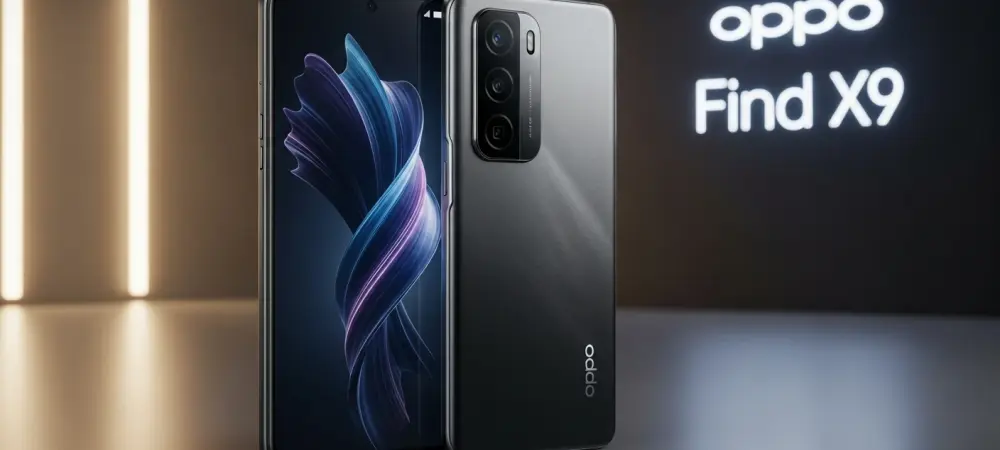
Mobile photography has evolved into a sophisticated discipline where hardware and software must work in perfect harmony to produce professional-grade results. Users now expect versatility, requiring lenses that can handle everything from expansive landscapes to detailed close-ups without a loss in clarity. Furthermore, the physical durability of a phone has become just as important as its internal specs, given the unpredictable nature of daily environments. The photography suite on this device features a Hasselblad-tuned triple rear camera system, utilizing three distinct 50-megapixel sensors. This setup includes a primary shooter with optical image stabilization, an ultra-wide lens, and a dedicated telephoto sensor. Complementing this power is a rugged design featuring a triple-grade IP rating of IP66, IP68, and IP69. Such high levels of protection against dust and high-pressure water ensure that the 6.59-inch AMOLED display remains safe in diverse conditions.
Summary or Recap
The Find X9s represents a strategic expansion for Oppo, blending top-tier processing power with features designed for real-world longevity. With its launch starting in Malaysia at approximately $760 and an upcoming release in India, the device targets a broad demographic of power users. Key highlights include the massive 7,025mAh battery, the adoption of Android 16, and a robust Hasselblad camera system. These elements combine to create a compelling argument for those looking to upgrade to a future-proofed device that refuses to compromise on battery life or durability.
Conclusion or Final Thoughts
The arrival of such high-capacity battery technology and early software adoption suggested that the industry was finally moving toward solving the most persistent pain points of mobile users. This launch demonstrated that a flagship could be both a powerhouse of productivity and a reliable companion for outdoor adventures. Prospective buyers were encouraged to consider how these advancements in durability and energy density might reduce their reliance on portable chargers and protective cases. Ultimately, the shift toward more resilient and longer-lasting hardware provided a clearer path for sustainable technology consumption in the years ahead.