

The modern mobile user no longer measures a device solely by its processing speed but increasingly by how long it can survive away from a power outlet and how well it withstands the physical rigors of an active life. Entering the Indian market as a formidable high-endurance contender, the Oppo K14 5G shifts the focus of the mid-range segment toward structural resilience and long-term utility. It arrives at a time when the gap between professional-grade ruggedness and consumer-grade aesthetics is narrowing, offering a sophisticated ecosystem that prioritizes reliability over mere technical flair.
Introduction to the Oppo K14 5G Ecosystem
This device represents a strategic pivot for the K-series, evolving from a performance-centric line into a specialized tool for endurance. By integrating high-capacity hardware with advanced environmental protection, Oppo is targeting a demographic that demands consistency. The ecosystem is built around the philosophy that a smartphone should be an unobtrusive partner, capable of functioning in dusty construction sites or during torrential rains without the need for bulky protective cases.
Technical Specifications and Hardware Architecture
The High-Capacity 7,000mAh Battery and Power Management
At the heart of the hardware is a massive 7,000mAh battery, a capacity that dwarfs the 5,000mAh standard found in most contemporary rivals. This engineering feat allows for nearly 19 hours of continuous video playback, effectively bridging the gap between smartphones and tablets in terms of longevity. While the 45W wired charging may seem modest compared to ultra-fast standards, it is a calculated choice designed to preserve the chemical health of such a high-density cell over hundreds of cycles.
Triple-Rated Ingress Protection and Structural Durability
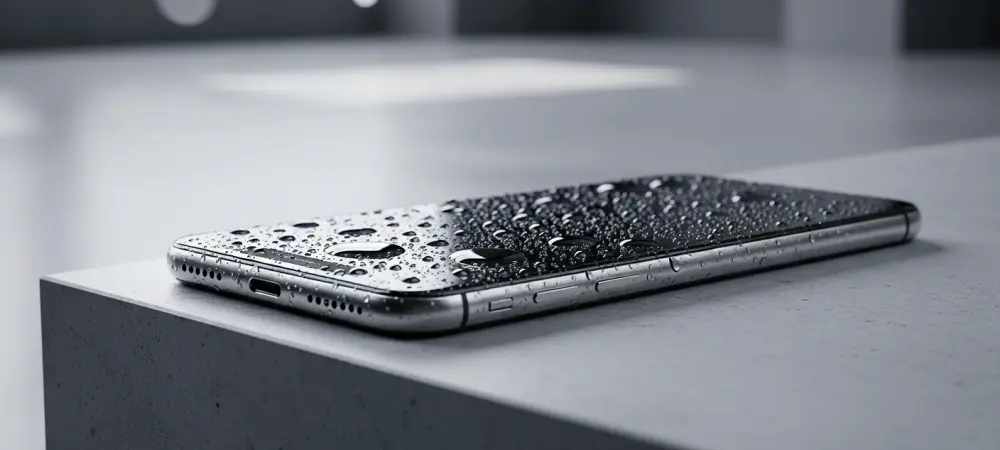
Durability is not just a marketing term here; it is backed by IP66, IP68, and IP69 ratings. This triple certification means the device is protected against high-pressure water jets and total immersion alike. Such a high standard is rarely seen in the mid-tier market, making the phone uniquely suited for unpredictable outdoor environments where moisture and dust usually spell the end for standard electronics.
MediaTek Dimensity 6300 Chipset and ColorOS 15
Powering the internal operations is the MediaTek Dimensity 6300, a 6nm processor that balances power consumption with a 15 percent efficiency boost over its predecessors. Coupled with ColorOS 15, which is built on the Android 15 framework, the software environment feels remarkably fluid. The integration focuses on optimizing app loading times and background processes, ensuring that the massive battery is used intelligently rather than being drained by inefficient software.
Advanced Visuals and AI-Enhanced Imaging
The visual experience is anchored by a 6.75-inch 120Hz display that reaches a peak brightness of 1,125 nits, ensuring legibility even under the harsh midday sun. On the rear, a 50-megapixel primary camera utilizes AI Eraser 2.0 and AI Clarity Enhancer to compensate for difficult lighting. These AI tools are more than just filters; they actively reconstruct image data to provide professional-looking results from a mid-range sensor.
Emerging Trends in Mobile Endurance and Resilience
The industry is witnessing a clear trend where consumers value “peace of mind” features as much as high-end silicon. The move toward military-grade durability in consumer handsets reflects a growing fatigue with fragile, glass-heavy designs that require constant babying. As manufacturers push the limits of battery density, the expectation for multi-day usage is becoming a significant competitive differentiator in the global market.
Real-World Applications and Target Demographics
For field professionals, long-distance travelers, and heavy media consumers, the utility of this device is immediate. In scenarios where charging ports are unavailable or weather conditions are extreme, the combination of high screen brightness and extreme water resistance provides a tangible advantage. It serves as a reliable navigation tool for hikers and a durable workstation for those whose offices are the outdoors.
Technical Hurdles and Market Obstacles
Despite its strengths, the device faces the inherent challenge of weight and bulk associated with such a large battery. Thermal management during prolonged usage also remains a critical area where high-density cells must be carefully monitored to prevent throttling. Furthermore, in a price-sensitive market, balancing these premium durability features with a competitive retail cost requires significant manufacturing efficiency.
Future Trajectory of the High-Endurance Smartphone
Looking ahead, the success of this model could normalize 7,000mAh batteries across the industry, potentially pushing competitors toward solid-state battery technology to reduce weight. We may see future iterations adopting even more specialized sensors for environmental monitoring. The long-term impact will likely be a shift in design philosophy, where “ruggedness” is no longer a niche category but a standard expectation for all mobile devices.
Final Summary and Assessment
The Oppo K14 5G established a new benchmark for what a mid-range device could achieve by focusing on the fundamental needs of battery life and physical toughness. By eschewing the race for the fastest processor in favor of a resilient build and a massive power cell, it provided a specialized solution for a growing segment of the market. This approach suggested that the future of mobile technology lies in the seamless blend of extreme endurance and accessible innovation.