

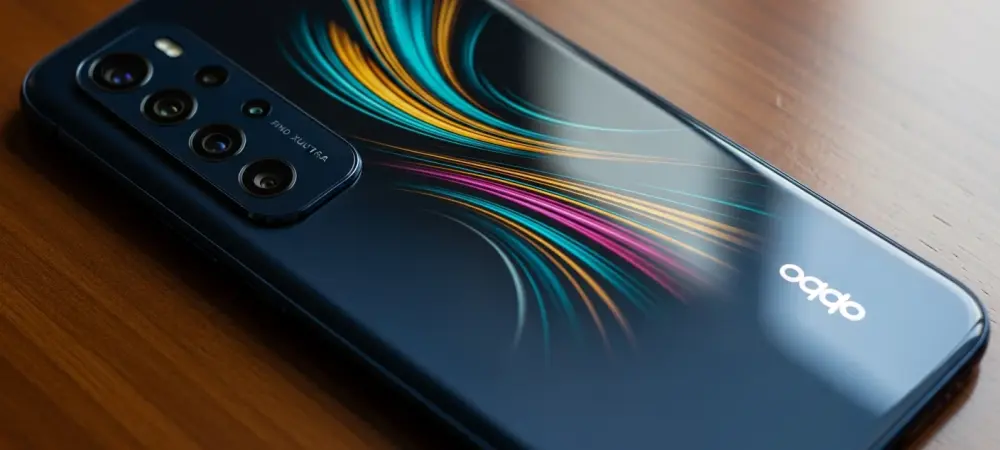
The relentless evolution of mobile hardware has reached a critical juncture where the trade-off between slim aesthetics and multi-day battery life is no longer a necessary compromise for high-end flagship consumers. As the global launch of the Oppo Find X9 Ultra approaches on April 21, the device serves as a testament to the rapid progression of internal hardware efficiency and display technology. At the heart of this flagship lies the Snapdragon 8 Gen 5 Elite chipset, a processor designed to handle the most demanding computational tasks while maintaining thermal stability. This power is complemented by a 2K resolution display that utilizes advanced X3 luminescent materials to achieve peak brightness and color accuracy. With a 144Hz refresh rate, the interface remains exceptionally fluid, catering to both professional users and enthusiasts who prioritize visual performance. This combination of processing power and screen quality positions the device as a leader in the current mobile ecosystem, reflecting a broader industry trend toward high-performance sustainability.
Advancements in Power Density and Ruggedized Design
Beyond internal processing, the most significant engineering feat resides in the implementation of the massive 7,050mAh ‘Glacier’ silicon-carbon battery. This technology represents a substantial leap in energy density, allowing for a much larger capacity without increasing the physical footprint of the smartphone to an unwieldy size. While the previous generation provided respectable longevity, this new silicon-carbon architecture ensures that the device can sustain heavy workloads throughout the day and well into the next. Furthermore, the inclusion of 100W wired and 50W wireless charging capabilities ensures that downtime is kept to a minimum, even when replenishing such a high-capacity cell. This focus on endurance is paired with an incredibly robust chassis, featuring a triple-tier rating of IP66, IP68, and IP69. These certifications, alongside Swiss SGS-certified drop resistance, suggest that the hardware is built to survive extreme environments and accidental impacts alike.
Redefining Mobile Photography Through High-Resolution Sensors
The imaging department finalized the device’s identity by integrating a sophisticated Hasselblad-tuned quad-camera array that pushed the boundaries of mobile optics. Central to this system was a 200-megapixel primary sensor and a matching 200-megapixel portrait telephoto lens, which provided unprecedented detail for large-format printing and digital cropping. These high-resolution components were balanced by 50-megapixel ultra-wide and secondary telephoto shooters, creating a versatile toolkit for professional photographers. When the device launched alongside the Find X9s and X9s Pro, it offered diverse aesthetics including Polar Glaciers, Rongsha Canyon, and Tundra. Future considerations for manufacturers should now focus on optimizing the software processing required to manage the massive data throughput generated by these 200MP sensors. Moving forward, the industry must prioritize efficient file compression and artificial intelligence-driven noise reduction to ensure that such high hardware specifications translate into tangible image quality improvements.