

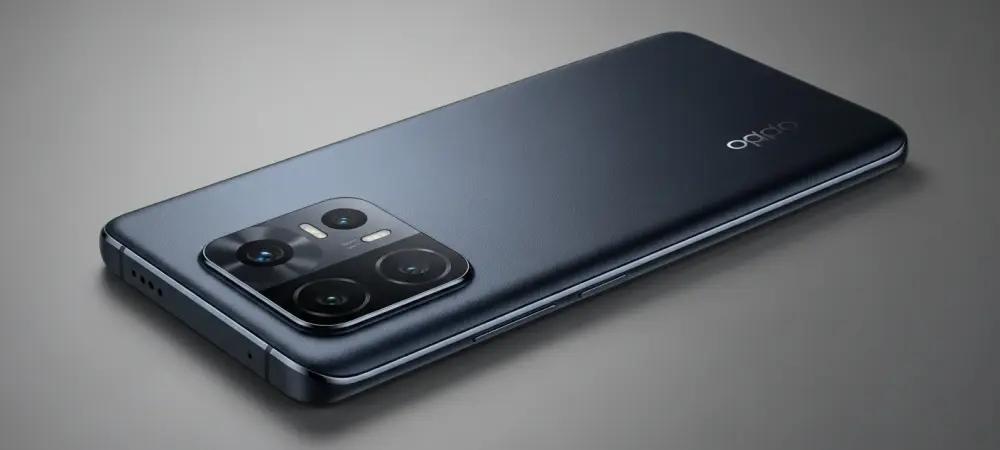
The boundary separating professional photography equipment from the smartphone in a pocket has finally reached a point of total convergence with the release of the Oppo Find X9 Ultra. This device does not merely iterate on previous designs; it fundamentally reimagines the handheld as a dedicated imaging hub. By blending high-performance optics with silicon-carbon energy density, Oppo has addressed the historical trade-off between power and portability. The emergence of this hardware signifies a shift toward devices that prioritize specialized creative output over general-purpose utility, effectively challenging the dominance of traditional mirrorless cameras in the consumer space.
The Paradigm Shift in Mobile Imaging
Mobile photography has transitioned from simple convenience to a sophisticated discipline driven by computational power and high-end glass. The Find X9 Ultra sits at the center of this evolution, utilizing the core principles of light physics through an expanded sensor surface area that captures details once lost to digital noise. This context is vital because it moves away from the “good enough” philosophy of earlier mobile sensors. Instead, the convergence of professional Hasselblad-tuned optics with smartphone portability creates a new standard for mobile imaging.
This shift is relevant in the broader technological landscape because it democratizes high-tier cinematography. As professional-grade features migrate to a pocketable form factor, the traditional barriers to entry for content creators vanish. This technology represents the successful integration of complex mechanical systems, like periscope lenses, into the streamlined chassis of a modern mobile device, proving that high-end performance does not require a bulky external body.
Hardware Architecture and Innovative Components
The Dual-Telephoto Periscope System: A New Vision
The heart of the imaging system lies in its 200-megapixel periscope sensor, which functions by reflecting light through a prism to achieve significant focal length without increasing phone thickness. This setup excels in light-gathering performance, utilizing advanced pixel binning to maintain clarity even in challenging twilight conditions. Unlike competitors that rely heavily on digital cropping, this system uses native optics to preserve texture and depth, making it a cornerstone of the Hasselblad partnership.
Moreover, the inclusion of a secondary 50-megapixel lens capable of 10x optical zoom creates a versatile range for the user. This dual-telephoto approach allows for seamless transitions between portraits and distant architectural shots. The significance of this setup is found in its ability to replicate the compressed perspective of a professional telephoto lens, providing a natural bokeh and sharpness that AI-driven filters often fail to emulate convincingly.
High-Density Battery Technology: Sustaining Performance
To power such an intensive camera array, Oppo has integrated a 7,000mAh silicon-carbon battery. This technical leap allows for much higher energy density compared to traditional lithium-ion cells, packing more capacity into a thinner profile. The real-world usage translates to exceptional endurance, ensuring that a full day of high-resolution video recording does not deplete the device prematurely. This battery technology is essential for maintaining the heat-intensive demands of the MediaTek Dimensity 9500 chipset.
While capacity is impressive, the charging efficiency remains a critical characteristic. Silicon-carbon anodes allow for stable power intake, which supports long-term battery health even with frequent rapid charging. This innovation removes the “range anxiety” often associated with photography-centric flagships, where the screen and sensor typically drain power at an unsustainable rate. Consequently, the hardware architecture is as much about endurance as it is about raw processing power.
Emerging Trends in Flagship Development
The industry is currently witnessing a movement toward physical ergonomics, evidenced by the Ultra’s dedicated camera control button. This trend reflects a shift in consumer behavior where users demand tactile feedback similar to a traditional shutter. Furthermore, the rise of 1.5K OLED displays provides the perfect canvas for these high-resolution images, offering a balance between visual sharpness and power conservation. Manufacturers are moving away from gimmicky features toward ultra-premium, photography-focused hardware that justifies its high price tag.
Real-World Applications and Professional Use Cases
In the hands of journalists and content creators, the Find X9 Ultra serves as a primary tool for rapid-response media. The ability to shoot 10x optical zoom for remote observation allows for high-quality footage from a distance, which is invaluable for field reporting or wildlife documentation. Additionally, the device is being deployed in mobile cinematography, where its 200-megapixel sensor provides enough raw data for professional color grading and post-production cropping.
Beyond professional media, the technology finds unique use cases in industrial inspection and remote monitoring. The high-resolution periscope lenses allow users to inspect structural integrity or distant signage without specialized equipment. This versatility proves that the device is more than a social media tool; it is a portable laboratory for capturing and analyzing visual data in real-time, bridging the gap between hobbyist photography and professional utility.
Technical Constraints and Market Obstacles
Despite the hardware prowess, technical hurdles remain, particularly regarding heat dissipation. High-resolution sensors generate significant thermal energy during extended 4K or 8K recording sessions. To mitigate this, Oppo has employed AI-driven thermal management that throttles performance intelligently to prevent hardware damage. Regulatory issues also persist, as different markets have varying standards for fast-charging protocols, which can sometimes limit the peak speed of the 80W wired system.
Furthermore, the sheer size of the camera module creates a physical imbalance that can affect ergonomics. Software optimization is ongoing to ensure that the transition between different lenses remains fluid and free of stutter. While these challenges are significant, they highlight the “bleeding edge” nature of the device, where engineering limits are constantly being tested against the laws of physics and international safety regulations.
The Future of the Find Series and Mobile Computing
The trajectory of the Find series suggests a transition from a simple communication device to a comprehensive AI-driven imaging hub. We are likely to see further breakthroughs in periscope optics, perhaps involving liquid lenses or even more compact glass elements. These developments will continue to squeeze the professional camera industry, as the gap in image quality narrows to a point where only specialized studio work requires a traditional DSLR or mirrorless body.
Looking ahead, the integration of generative AI within the ISP (Image Signal Processor) will likely change how we define a “photo.” Instead of just capturing light, future devices may reconstruct scenes with perfect lighting and composition in real-time. This evolution will cement the smartphone’s role as the central node in a user’s creative ecosystem, making the hardware more of a sophisticated sensor array than a traditional computer.
Final Assessment and Industry Impact
The Oppo Find X9 Ultra successfully disrupted the premium market by proving that extreme battery life and professional optics can coexist in a refined chassis. It challenged the status quo, forcing other manufacturers to reconsider their reliance on software-heavy solutions in favor of genuine hardware innovation. This device established a new benchmark for what a flagship should provide, moving the needle toward specialized, high-tier performance.
Ultimately, the global smartphone ecosystem was pushed into a more competitive cycle by this release. The decision to prioritize the silicon-carbon battery and the dual-periscope system demonstrated a clear understanding of power-user needs. As the industry moves forward, the influence of this design philosophy will likely be seen in more efficient thermal layouts and a renewed focus on tactile photography controls across all major brands.