

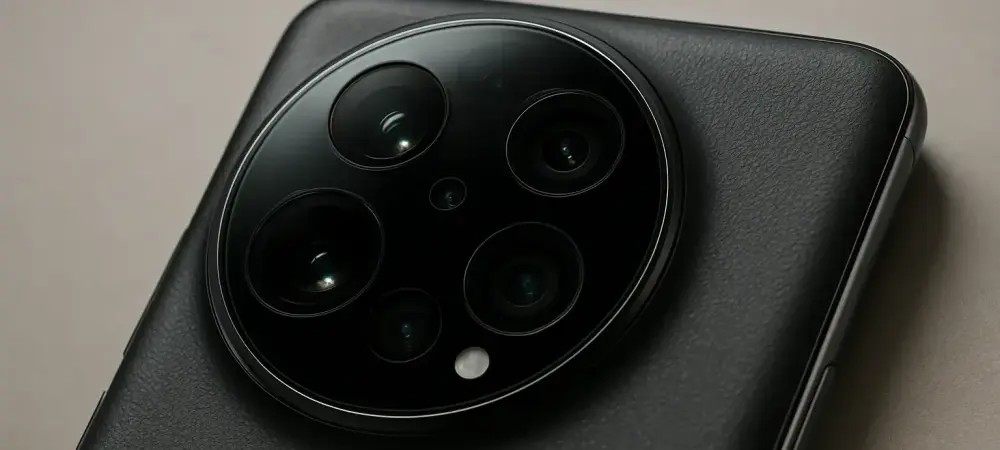
The relentless pursuit of photographic perfection in smartphones has seemingly reached a new zenith, with leaked specifications suggesting Oppo is preparing to redefine the boundaries of mobile imaging. This review explores the leaked specifications of the Oppo Find X9 Ultra’s camera system, its key features, potential performance metrics, and the impact it may have on the competitive landscape. The purpose of this review is to provide a thorough understanding of the technology based on available information, its anticipated capabilities, and its potential future development.
Setting the Stage a New Contender in Mobile Photography
The Oppo Find X9 Ultra emerges as a highly anticipated, camera-centric flagship, positioning itself firmly within the ultra-premium market. Arriving this year, the device is engineered to challenge the established leaders in smartphone photography. In a sector where imaging technology is a primary differentiator, the Find X9 Ultra’s ambitious hardware configuration signals a clear intent to not just compete, but to lead.
Its relevance is underscored by the market’s insatiable demand for better mobile cameras that can rival dedicated professional equipment. By pushing the boundaries with a unique quad-camera array, Oppo aims to capture the attention of photography enthusiasts and discerning consumers who prioritize image quality above all else. This strategic move places the Find X9 Ultra at the forefront of the technological arms race in mobile imaging.
Decoding the Hardware a Deep Dive into the Quad Camera System
The Dual 200MP Powerhouse
At the heart of the Find X9 Ultra’s imaging prowess are two distinct 200-megapixel sensors, a configuration that promises exceptional detail and versatility. The primary camera reportedly utilizes Sony’s new LYTIA 901, a large 1/1.12-inch sensor designed to maximize light capture and produce stunningly clear images. This large sensor size is particularly crucial for improving performance in challenging low-light conditions, reducing noise and preserving fine details.
Complementing the main camera is a second 200MP sensor, the OmniVision OV52A, which is unconventionally dedicated to the 3x periscope telephoto lens. Assigning such a large, high-resolution sensor to a medium-range zoom is a significant departure from industry norms. This approach is expected to deliver unparalleled quality for portraits and mid-range subjects, offering sharpness and clarity typically lost through digital cropping or smaller sensors.
Unprecedented Zoom Versatility
The Find X9 Ultra’s zoom capabilities are further extended by a dual periscope telephoto system, a key differentiator in the crowded flagship space. Beyond the 3x optical zoom, the device includes a long-range 10x optical zoom, providing photographers with a seamless and comprehensive magnification range. This dual setup ensures that image quality remains high across various focal lengths, from close-ups to distant subjects.
This versatility is enabled by the strategic use of a 50MP Samsung ISOCELL JN5 sensor, which reportedly powers the 10x periscope camera. This implementation allows for a continuous, high-quality zoom experience, bridging the gap between medium and extreme telephoto ranges without a significant drop in detail. The result is a system that offers both flexibility and fidelity for virtually any photographic scenario.
Ultrawide Capabilities and Color Science
Rounding out the powerful camera array is a 15mm ultra-wide lens, also believed to be powered by the 50MP Samsung ISOCELL JN5 sensor. This ensures that expansive landscape shots and group photos are captured with impressive resolution and sharpness from edge to edge. The use of a high-quality sensor for the ultra-wide lens prevents the typical drop-off in quality seen in many competing systems.
Moreover, maintaining color consistency across four different lenses is a significant engineering challenge. The Find X9 Ultra addresses this with a third-generation Danxia multispectral lens. This dedicated hardware component is designed to analyze ambient light more accurately, ensuring that colors are reproduced faithfully and consistently, regardless of which camera is being used.
The Engine Behind the Lens Next Generation Supporting Tech
The remarkable camera hardware is supported by a suite of top-tier internal components designed to handle the immense processing demands. The leaked specifications point to the inclusion of the Snapdragon 8 Elite Gen 5 chipset, whose advanced image signal processor is essential for managing the data from two 200MP sensors and executing complex computational photography algorithms in real-time.
For reviewing and composing shots, the device is expected to feature a vibrant 6.82-inch 2K AMOLED display with a fluid 120Hz refresh rate, providing an accurate representation of the captured images. Powering these demanding operations is a massive 7,000mAh battery, a capacity that promises extended shooting sessions without the constant need to recharge.
Envisioning the Shot Real World Applications and Use Cases
The advanced technology within the Find X9 Ultra translates directly into tangible benefits for everyday photography. The large 1-inch sensor on the main camera is poised to excel in capturing detailed low-light cityscapes, preserving ambiance and minimizing noise. Similarly, the 200MP 3x telephoto lens offers a unique advantage for portrait photography, enabling detailed shots with natural background compression and beautiful bokeh without sacrificing image quality.
For travelers and landscape photographers, the combination of the high-resolution ultra-wide and the dual periscope zoom system provides a complete toolkit in one device. This setup allows for capturing everything from sweeping vistas to distant wildlife with consistent quality. The dedicated high-resolution sensor for the medium-range telephoto lens, in particular, opens new creative possibilities for street photography and event coverage.
Navigating the Competitive Landscape Potential Challenges
Despite its impressive specifications, the Oppo Find X9 Ultra faces considerable challenges. Technically, processing the immense data stream from two 200MP sensors simultaneously requires immense computational power and sophisticated software optimization to avoid shutter lag and processing delays. Failure to master this could undermine the user experience, regardless of the hardware’s potential.
From a market perspective, competing against entrenched brands with loyal followings presents a significant hurdle. Furthermore, the cutting-edge technology packed into the device will almost certainly result in a premium price point. This high cost could limit its widespread adoption, confining its appeal to a niche segment of dedicated photography enthusiasts rather than the broader consumer market.
A Glimpse Ahead the Future of Smartphone Cameras
The architecture of the Find X9 Ultra offers a compelling preview of the future trajectory of mobile imaging. Its design philosophy suggests a clear trend away from a single dominant primary sensor toward a system of multiple, large, high-resolution sensors, each optimized for a specific focal length. This approach promises a more consistent and professional-grade experience across the entire camera array. Furthermore, the inclusion of dedicated hardware for color science, like the Danxia multispectral lens, highlights the increasing importance of achieving accurate and consistent color reproduction. As sensors and lenses become more advanced, the next frontier for innovation lies in the sophisticated processing and specialized components that unify the system, a path the Find X9 Ultra appears to be forging.
Concluding Thoughts a Potential New Benchmark
The comprehensive analysis of the leaked specifications for the Oppo Find X9 Ultra’s camera system revealed a device with the potential to set a new standard in mobile photography. Its innovative use of dual 200MP sensors and a versatile dual-periscope zoom system represented a bold step forward in imaging hardware. The thoughtful integration of supporting technologies, from the powerful chipset to the dedicated color science lens, underscored a holistic approach to achieving superior image quality. Ultimately, the Oppo Find X9 Ultra’s anticipated configuration positioned it not just as a competitor, but as a potential benchmark against which future flagship cameras will be measured.