

The flagship smartphone market is a relentless battleground where innovation is the price of entry, and Motorola is poised to make a significant new move with its upcoming Signature device. This review will explore the upcoming Motorola Signature, analyzing its key features, performance expectations, and potential market impact based on official teasers and leaked information to provide a thorough understanding of this new device ahead of its official launch.
Introducing Motorola’s New Flagship Contender
The Motorola Signature emerges as a statement of intent, positioned to challenge the industry’s titans through a blend of cutting-edge technology and productivity-focused features. Its emergence through a mix of official hints and strategic leaks signals Motorola’s ambitious return to the premium segment, setting the stage for what could be a powerful competitor designed for a discerning user base.
A Deep Dive into Leaked Features and Specifications
Design Display and Stylus Integration
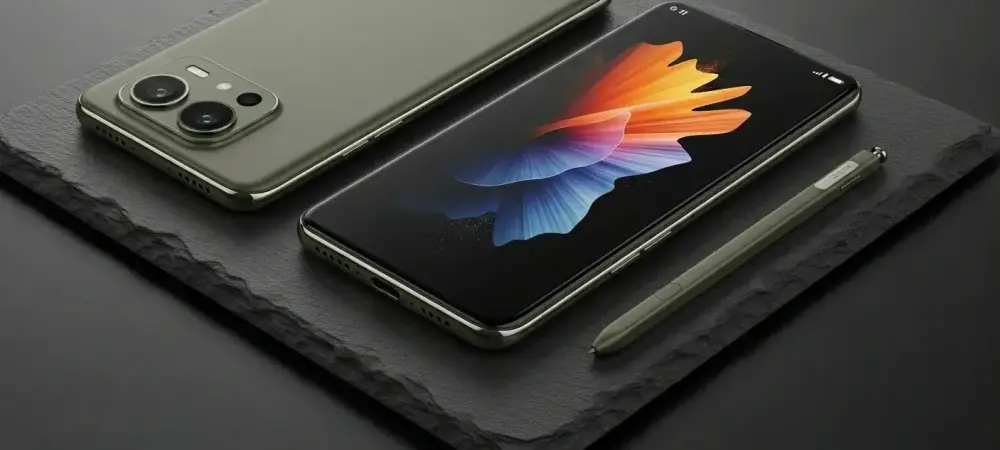
Leaked images reveal a sophisticated “Martini Olive” colorway and a distinctive square camera island. The device features a 6.7-inch 1.5K OLED hole-punch display, but its defining characteristic is confirmed stylus support. This integration squarely targets professionals and creators, positioning the Signature as a powerful tool for productivity and creative work.
Next-Generation Performance Hardware
At its core, the Signature is expected to run on the unannounced Snapdragon 8 Gen 5 chipset with an Adreno 829 GPU and up to 16GB of RAM. This combination promises top-tier performance for demanding apps and games. A customizable shortcut key is also included, adding a layer of practical personalization to its powerful hardware.
Advanced Camera Capabilities
The phone’s imaging system is headlined by a 50-megapixel main sensor within a triple-camera setup. A key inclusion is the periscope telephoto lens, which enables advanced optical zoom capabilities for capturing clear, long-range shots. This setup indicates a strong focus on delivering a versatile and competitive mobile photography experience.
The Road to Launch and Emerging Trends
Motorola has confirmed a January 7 launch in India, promoted via a microsite on Flipkart, solidifying the device’s imminent arrival. This strategy of using pre-launch teasers reflects a common industry trend aimed at building consumer excitement and ensuring the new flagship captures market attention from day one.
Real-World Applications and Target Audience
With its powerful processor, advanced camera, and stylus, the Signature is positioned for professionals, content creators, and power users. Its unique use cases span from on-the-go productivity and mobile photography to high-performance gaming, making it a versatile device designed to excel across both work and entertainment scenarios.
Potential Challenges and Market Hurdles
The device faces technical hurdles in ensuring the new Snapdragon chipset performs flawlessly. Its primary market obstacle, however, will be competing against established flagships from Apple, Samsung, and Google. Pricing will be a critical factor in determining whether it can overcome brand loyalty and achieve widespread adoption.
Future Outlook for the Signature Line
A successful launch could re-establish Motorola as a top-tier competitor in the premium smartphone segment. This could lead to an expanded “Signature” lineup and influence other manufacturers to integrate similar high-performance features. The device’s performance will set the trajectory for Motorola’s flagship ambitions.
Summary and Final Assessment
The Motorola Signature shows immense potential as a formidable flagship device, combining a next-gen processor, a versatile camera, and stylus support into a compelling package. Its success ultimately depends on final specifications, flawless performance, and competitive pricing to deliver a user experience that stands out in a crowded market.