

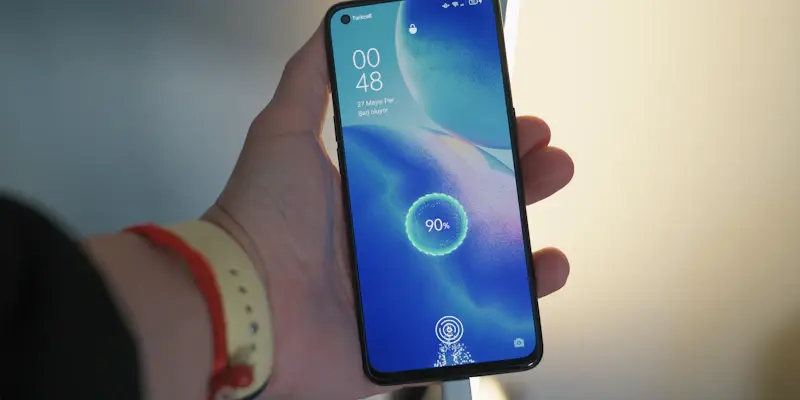
In a world where smartphone photography continues to evolve, Oppo is preparing to introduce a game-changer with the upcoming Find X8 Ultra. The anticipation swirling around this flagship device stems from its rumored utilization of dual periscope telephoto cameras, a feature that could potentially outshine competitors such as Samsung’s Galaxy S25 Ultra. This advancement in camera technology promises significant enhancement in photographic capabilities, setting new standards for smartphone photography.
Innovative Camera Technology
Leak reports suggest that the Find X8 Ultra will boast two periscope telephoto lenses, a feature that distinguishes it from its predecessor. This configuration is expected to provide exceptional zooming capabilities and improved image stabilization, offering users a more versatile and robust photography experience. The addition of an LED flash array positioned outside the camera housing is another notable design change, aimed at optimizing space and functionality. Also, the Hasselblad branding is anticipated to move to the center of the camera housing, illustrating a refined aesthetic and focusing on collaborative innovation in camera technology.
The primary camera of the Find X8 Ultra is rumored to be a Sony LYT-900 sensor, which features a large 1-inch optical format and a 50 MP native output. This high-quality sensor will likely be accompanied by three additional 50 MP sensors, including 75 mm and 150 mm telephoto lenses, promising unparalleled versatility for different photo styles and scenarios. Such features underscore Oppo’s commitment to leveraging advanced technologies to enhance the user experience, particularly in the realm of mobile photography.
Strategic Market Positioning
As Oppo gears up to unveil the Find N5, which will be accessible globally to some extent, the availability of the Find X8 Ultra outside China remains a topic of speculation. However, Oppo’s recent re-entry into the European market indicates a potential strategy to compete on an international scale with leading brands like Samsung and Xiaomi. By focusing on superior camera technology and innovative design, Oppo aims to capture market share and redefine its position in a competitive landscape.
Despite OnePlus confirming it will not release a successor to the OnePlus Open, the global tech community remains optimistic about the Find X8 Ultra’s impact. The strategic inclusion of advanced camera features not only distinguishes the Find X8 Ultra from its competitors but also sets a new standard for future smartphone developments. Should Oppo successfully integrate these technologies, it will likely position the Find X8 Ultra as a formidable contender in the premium smartphone category.
Conclusion and Future Implications
In the fast-paced realm of smartphone photography, Oppo is on the brink of launching a revolutionary new device, the Find X8 Ultra. This flagship phone is generating considerable excitement, primarily due to its rumored integration of dual periscope telephoto cameras. This innovative feature has the potential to significantly surpass the photographic capabilities of current leaders like Samsung’s Galaxy S25 Ultra. The advancements in camera technology that the Find X8 Ultra is set to offer may not only elevate the device’s performance but also set new benchmarks in smartphone photography. By pushing the boundaries of what’s possible, Oppo aims to deliver unprecedented enhancement in image capture and quality, thus redefining the standards by which all future smartphones will be judged. The anticipation surrounding the Find X8 Ultra is a testament to Oppo’s commitment to innovation and excellence in camera tech, positioning it as a potential game-changer that could shift the competitive landscape in the smartphone industry significantly.