

Dominic Jainy stands at the forefront of the rapidly evolving mobile technology landscape, bringing a seasoned perspective to the intricate world of smartphone hardware and high-performance computing. With an extensive background in analyzing how artificial intelligence and advanced optics converge in consumer electronics, he has become a trusted voice for those seeking to understand the “why” behind the latest flagship developments. In today’s discussion, Dominic breaks down the implications of the latest industry leaks, offering a deep dive into the engineering feats and market strategies that define the next generation of premium mobile devices.
Our conversation explores the significant shift toward high-magnification optical hardware and the logistical challenges of integrating massive power reserves into sleek glass-and-metal chassis. We examine the competition between global sensor suppliers and how these components influence the final image quality that users experience. Additionally, the discussion covers the broader technological leap represented by next-generation chipsets and high-resolution displays, providing a comprehensive look at what it takes to maintain a premium edge in a saturated global market.
With rumors circulating about the testing of a 10x optical zoom periscope lens, how do you see the competition between Samsung and OmniVision sensors shaping the actual performance of the final device?
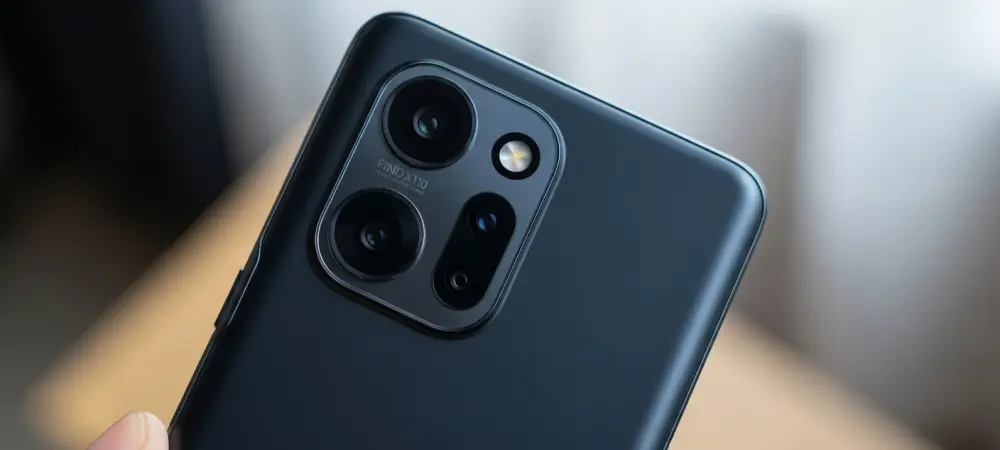
The decision to evaluate both the Samsung ISOCELL GNB and the OmniVision OV51A sensors reveals a high-stakes engineering battle focused on achieving the perfect balance between light intake and physical space. Both of these are 1/1.95-inch sensors, which is a substantial size for a telephoto module, allowing for much better low-light performance than we typically see in long-range zoom cameras. When you are pushing a 10x optical zoom, every fraction of a millimeter in sensor size counts because it dictates how much detail can be preserved at such high magnification. Historically, the Find series has pushed telephoto limits, but moving to a dedicated 10x periscope is a notable upgrade that suggests the manufacturer is no longer satisfied with digital cropping or hybrid solutions. This testing phase shows they are prioritizing raw optical power, aiming to provide crisp, 50-megapixel telephoto shots that can compete with professional-grade glass.
There is a lot of talk regarding a potential 200-megapixel primary and telephoto setup; what are the technical hurdles and benefits of moving toward such high-resolution sensors across multiple lenses?
Moving to a quad-camera setup where you might see triple 200-megapixel sensors, including the primary and periscope units, is a massive leap in data processing requirements. While the Find X9 Ultra already impressed the market with two 200-megapixel and two 50-megapixel sensors, doubling down on high resolution across the board means the image signal processor has to work overtime to stitch these frames together. The benefit for the user is an unprecedented level of “digital headroom,” allowing you to crop into a photo significantly without losing the texture of skin or the sharpness of distant landscapes. However, the hurdle lies in thermal management and storage; processing a single 200-megapixel shot takes a lot of juice and occupies a lot of space on that 512GB storage model. It’s an ambitious play to redefine mobile photography, turning a simple handheld device into something that can capture details previously reserved for dedicated DSLR cameras.
Considering the leaks point toward a massive 8,500mAh battery and the Snapdragon 8 Elite Gen 6 Pro, how does this combination change the expectations for a flagship’s longevity and power?
The leap to an 8,500mAh battery is staggering when you realize the previous iteration featured a 7,050mAh unit, which was already considered quite large for the premium segment. To fit that much capacity into a device that also houses a 6.89-inch 2K resolution display, engineers must be utilizing incredibly dense silicon-carbon battery technology. This massive power reservoir is likely a direct response to the energy demands of the Snapdragon 8 Elite Gen 6 Pro, a chipset designed for extreme performance and intensive AI tasks. When you pair such a high-capacity battery with a power-efficient BOE-made LTPO display, the goal isn’t just to last a full day; it’s likely to provide two or three days of heavy use on a single charge. It shifts the user experience from one of “battery anxiety” to a “power-on-demand” mindset, which is essential for a device being tested for such heavy-duty photography and high-resolution video tasks.
With a rumored price tag of around CNY 10,000, how does the manufacturer justify this premium positioning in a market where consumers are becoming increasingly price-sensitive?
A price point of roughly Rs. 1,41,000 or CNY 10,000 puts this device firmly in the ultra-premium territory, similar to where we see high-end foldables like the Find N6 positioned. To justify this, the manufacturer is packing in every “bleeding-edge” component available, from the 2K resolution BOE display to the high-performance quad-camera array. They are targeting a very specific user—someone who wants a no-compromise professional tool in their pocket and is willing to pay for the engineering required to house a 10x optical zoom and an 8,500mAh battery. By pricing it in this segment, they are essentially signaling that this is a halo product, meant to showcase the absolute peak of what mobile technology can achieve in the current year. It’s a strategy that relies on the prestige of the Hasselblad-powered camera legacy and the promise that you are getting hardware that won’t be obsolete for several years.
What is your forecast for the future of mobile photography as these high-resolution periscope lenses become the new standard for flagship devices?
My forecast is that we are entering an era where “computational zoom” will finally take a backseat to “optical reality.” As 200-megapixel sensors and 10x periscope lenses become standard, we will see mobile devices capable of capturing professional-grade wildlife and sports photography, something that was physically impossible five years ago. I expect that by the time these devices launch in October, the focus will shift from how many megapixels a sensor has to how well the software can handle the massive amounts of light and data these 1/1.95-inch sensors provide. We will likely see a move toward even more specialized glass coatings and perhaps even liquid lens technology to manage the physical thickness of these 10x zoom modules. Ultimately, the gap between the smartphone in your pocket and a dedicated professional camera is going to become so thin that, for 95% of use cases, the distinction will simply vanish.