
OpenAI’s Operator Automates Browser Tasks For ChatGPT Pro and Plus Users

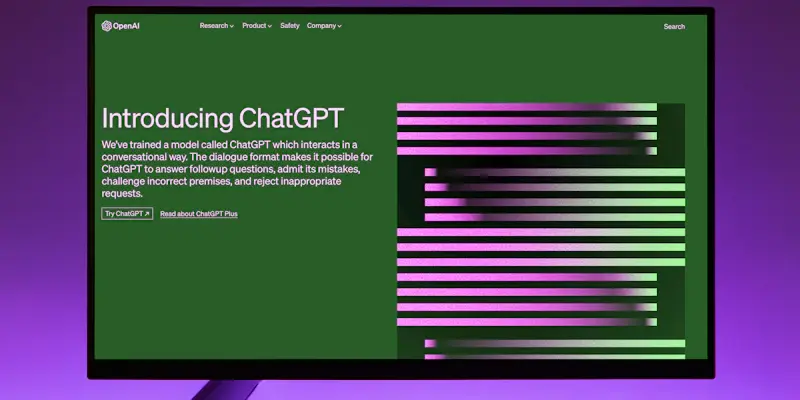
OpenAI has introduced the Operator, an advanced AI agent designed to handle web browser tasks independently, making it easier for users to manage their online activities. As part of OpenAI’s continuous efforts to enhance user convenience, the Operator can perform tasks such as booking restaurant tables with minimal user intervention, requiring input only for critical actions like logging in or confirming email addresses. This innovative tool aims to streamline routine online tasks for ChatGPT Pro users for a monthly fee of $200. With its current capabilities, the Operator navigates simpler web interfaces effectively but faces challenges with more complex interfaces like calendars or presentation slideshows. Despite these initial limitations, OpenAI is optimistic about refining this tool for greater functionality and complexity.

Expansion and Future Endeavors

Although initially offered to ChatGPT Pro users, OpenAI plans to extend access to ChatGPT Plus users soon, broadening the availability of the Operator. The rollout will commence in the United States, with intentions to expand to other countries in the future. This phased introduction underlines OpenAI’s commitment to carefully monitor and improve the tool’s performance and address any potential issues early on. By automating routine tasks, the Operator reduces the risk of malicious activities while focusing on improving user experience. OpenAI’s vision for the Operator includes ongoing refinement to handle more sophisticated tasks, aiming for broader applicability across various online activities. With continued development, the tool promises to become an indispensable aid for users, facilitating smoother, more efficient interactions with web interfaces.

Explore more

AI Redefines Software Engineering as Manual Coding Fades

The rhythmic clacking of mechanical keyboards, once the heartbeat of Silicon Valley innovation, is rapidly being replaced by the silent, instantaneous pulse of automated script generation. For decades, the ability to hand-write complex logic in languages like Python, Java, or C++ served as the ultimate gatekeeper to a world of prestige and high compensation. Today, that gate is being dismantled

Is Writing Code Becoming Obsolete in the Age of AI?

The 3,000-Developer Question: What Happens When the Keyboard Goes Quiet? The rhythmic tapping of mechanical keyboards that once echoed through every software engineering hub has gradually faded into a thoughtful silence as the industry pivots toward autonomous systems. This transformation was the focal point of a recent gathering of over 3,000 developers who sought to define their roles in a

Skills-Based Hiring Ends the Self-Inflicted Talent Crisis

The persistent disconnect between a company’s inability to fill open roles and the record-breaking volume of incoming applications suggests that modern recruitment has become its own worst enemy. While 65% of HR leaders believe the hiring power dynamic has finally shifted back in their favor, a staggering 62% simultaneously claim they are trapped in a persistent talent crisis. This paradox

AI and Gen Z Are Redefining the Entry-Level Job Market

The silent hum of a server rack now performs the tasks once reserved for the bright-eyed college graduate clutching a fresh diploma and a stack of business cards. This mechanical evolution represents a fundamental dismantling of the traditional corporate hierarchy, where the entry-level role served as a primary training ground for future leaders. As of 2026, the concept of “paying

How Can Recruiters Shift From Attraction to Seduction?

The traditional recruitment funnel has transformed into a complex psychological maze where simply posting a vacancy no longer guarantees a single qualified applicant. Talent acquisition teams now face a reality where the once-reliable job boards remain silent, reflecting a fundamental shift in how professionals view career mobility. This quietude signifies the end of a passive era, as the modern talent