

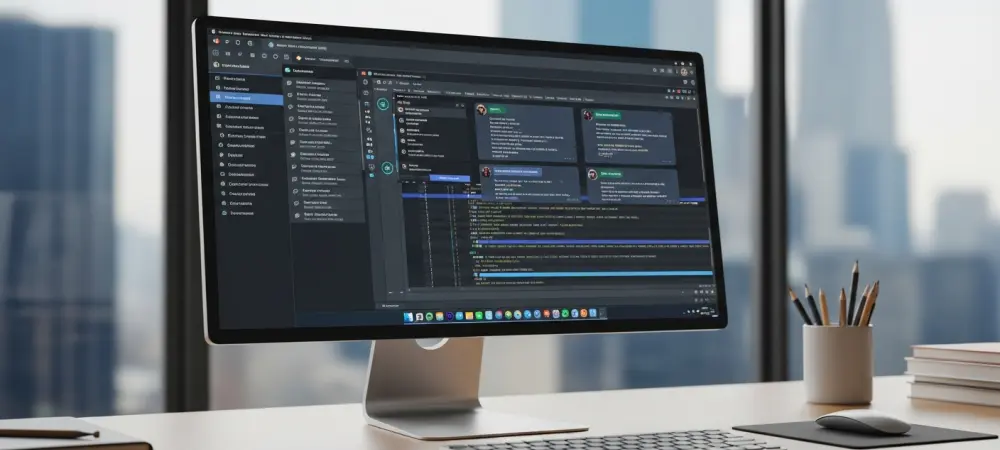
The digital landscape of 2026 has increasingly demanded that artificial intelligence tools move beyond being mere novelties and become central pillars of professional and creative output. When OpenAI initially attempted to streamline its ChatGPT desktop application by merging core services like Chat, Work, and Codex into a singular, minimalist interface, the company encountered a surprisingly vocal wave of criticism from its core user base. Professionals who relied on the tool for intricate coding and detailed research found that the pursuit of aesthetic simplicity had inadvertently buried the very features that made the application indispensable for their daily high-stakes workflows. This tension between visual cleanliness and functional utility forced a fundamental re-evaluation of how software should evolve to meet the needs of power users who cannot afford to waste time navigating through layers of menus. By pivoting away from a strictly minimalist philosophy, the developers have successfully returned to a design that prioritizes immediate accessibility and user-defined efficiency.
Restoring Navigational Efficiency: Persistent Interfaces and User Control
The reintroduction of the persistent sidebar serves as a cornerstone for this new design phase, effectively ending the period where users felt disconnected from their ongoing projects. Previously, the hidden history and tucked-away “Projects” tab required multiple clicks to access, creating a fragmented experience that hindered deep focus and interrupted the natural flow of thought. By restoring this visible navigation pane, the desktop app once again offers a comprehensive view of recent dialogues and specialized workspaces at a single glance, allowing for instantaneous context switching. This change is not merely a regression to an older style but a calculated refinement that integrates better organizational markers and categorization tools within the sidebar itself. The result is a much more cohesive environment where the user remains in total control of their information architecture, ensuring that every past insight or generated code block is always within reach for any upcoming tasks.
Beyond the mechanical changes to the interface, this update highlights a significant shift in the internal development culture regarding how user feedback is processed and implemented. Instead of adhering to a rigid long-term roadmap that ignores current sentiment, the company has demonstrated a proactive willingness to reverse unpopular design decisions in real-time. This iterative approach has fostered a stronger sense of partnership between the software provider and the community, as users now see their practical concerns reflected in the actual evolution of the product. By prioritizing functional feedback over internal aesthetic theories, the application has become a more resilient and versatile tool capable of supporting diverse professional requirements. This commitment to active listening ensures that future updates will likely continue to emphasize practical utility, providing a stable foundation for individuals who depend on consistent software performance for their daily high-stakes professional livelihoods.
Achieving Seamless Continuity: Unified Workspaces and Knowledge Management
A primary objective of the current refinement cycle involves creating a perfectly synchronized experience that eliminates the friction of moving between different hardware environments. In the modern era of 2026, users frequently start complex prompts on their mobile devices during commutes before transitioning to full-scale development on their desktop workstations. The updated ChatGPT application now ensures that chat history, professional modes, and custom preferences are mirrored across all platforms with zero latency, providing a unified digital workspace. This level of consistency allows for a more fluid interaction with the AI, as the mental model the user develops for one interface applies equally to all others. While cloud synchronization handles the bulk of the data, the system still intelligently isolates local tasks to specific hardware to maintain high performance and data privacy. This hybrid approach guarantees that heavy processing remains local when necessary while keeping the broader context available everywhere.
The transformation of the application into a robust knowledge management ecosystem addressed the fundamental pain points of information overload encountered by long-term users. By introducing advanced search capabilities and semantic retrieval, the developers ensured that years of accumulated data became instantly accessible, effectively turning the chatbot into a personalized intelligence repository. This strategic direction demonstrated that the most successful AI implementations in 2026 were those that prioritized user agency and data organization over simple conversational outputs. Moving forward, it was clear that organizations had to focus on integrating these tools into their core workflows to maintain a competitive edge. The transition toward localized task handling and enhanced privacy protocols proved that security remained the top priority for professional environments. Ultimately, the pivot toward a more functional and transparent design philosophy ensured that the application remained an indispensable asset for navigating the complexities of the modern digital world.