

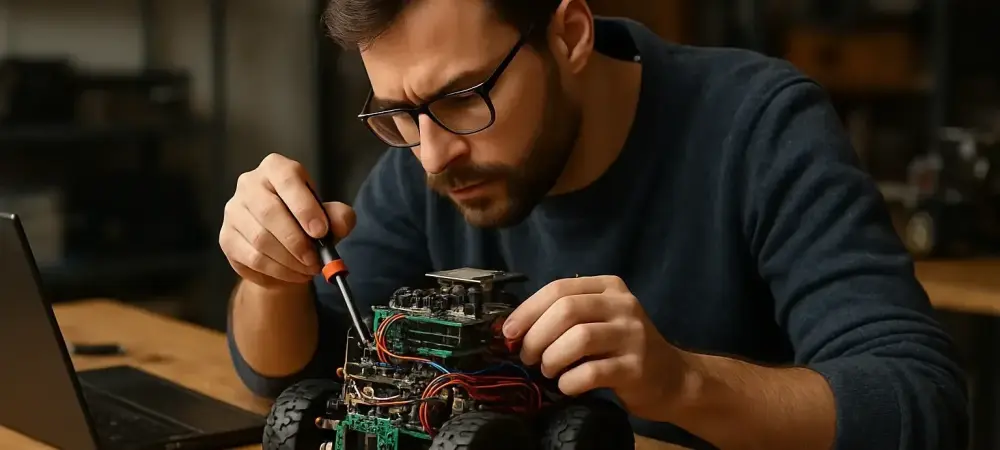
Hugging Face has just unveiled the Reachy Mini as a notable addition to open-source robotics, a niche gradually attracting both enthusiasts and professionals. Designed for human-robot interaction and AI experimentation, Reachy Mini signals a shift toward more accessible robotics technology, inviting exploration of AI development by developers, hobbyists, and educators alike.
Shaping Human-Robot Interaction
Standing at approximately 11 inches tall, Reachy Mini is equipped with features that include pre-programmed behaviors, multi-modal sensing, and motorized movements. These attributes enable it to interact with users effectively, offering hands-on experience with robot operation and coding. The robot is available in two versions: a $449 wireless model powered by Raspberry Pi 5 and a $299 Lite version, which requires an external computer connection. Hugging Face’s initiative emphasizes affordable and simplified robotics, providing an opportunity for those eager to explore AI’s wider applications without significant financial or technical barriers.
Unleashing AI Potential with Hugging Face Hub
A compelling feature of Reachy Mini is its integration with the Hugging Face Hub. This platform, hosting over 1.7 million AI models and 400,000 datasets, expands the possibilities for AI development, making complex machine learning models accessible for users at different expertise levels. Whether for educational purposes or professional development, Reachy Mini allows users to explore and implement AI models creatively, fostering an environment ripe with innovation and experimentation. This adaptable nature ensures it fits seamlessly into various projects, from school assignments to research endeavors.
Encouraging a Culture of Feedback and Refinement
Despite being in its early developmental stages, Hugging Face actively encourages feedback from the robot’s initial adopters. By incorporating insights and suggestions into ongoing updates, the company seeks to refine and enhance Reachy Mini’s capabilities. The progressive engagement model not only improves product performance but aligns with a broader trend within the tech industry, valuing user experience as a crucial component of continuous technological evolution. This iterative process is key to staying ahead in the fast-paced world of AI and robotics.
Democratizing AI Through Open-Source Robotics
As open-source platforms merge with robotics, the democratization of AI technology takes center stage. Reachy Mini embodies Hugging Face’s commitment to making AI accessible, encouraging experimentation and development. The project exemplifies the potential for open-source robotics to serve as a catalyst for innovation, stretching beyond commercial enterprises to influence educational settings and individual creative pursuits.
Insights on Future Trajectories
While Reachy Mini opens new horizons for AI interaction and development, the future holds further possibilities. Its impact may catalyze more affordable innovations, broadening the scope of AI’s everyday applications. Anticipated enhancements based on user feedback could lead to advancements in robot autonomy and functionality, fostering deeper integration into diverse environments. Such forward-thinking initiatives by companies like Hugging Face ensure the trajectory of robotics continues to be exciting and full of potential. In summary, Hugging Face’s Reachy Mini has proven itself as a promising player in open-source robotics, paving the way for widespread adoption and creative exploration of AI technologies. As its development continues, the insights gathered from early adopters promise the evolution of this unique desktop robot, enabling it to fulfill a myriad of needs across different sectors and individual interests.