

Dominic Jainy is an IT professional with deep expertise in the shifting landscape of mobile hardware and system architecture. He has spent years tracking how high-end technology eventually becomes accessible to the broader public through mid-range devices. In this conversation, he discusses the upcoming launch of the OnePlus Turbo 6X Pro, examining how its massive 8,000mAh battery and record-breaking display brightness set a new standard for affordable smartphones in 2026.
The Turbo 6X Pro is reaching peak brightness levels of 6,500 nits. How does this level of luminosity redefine the visual experience for a device positioned as an affordable option?
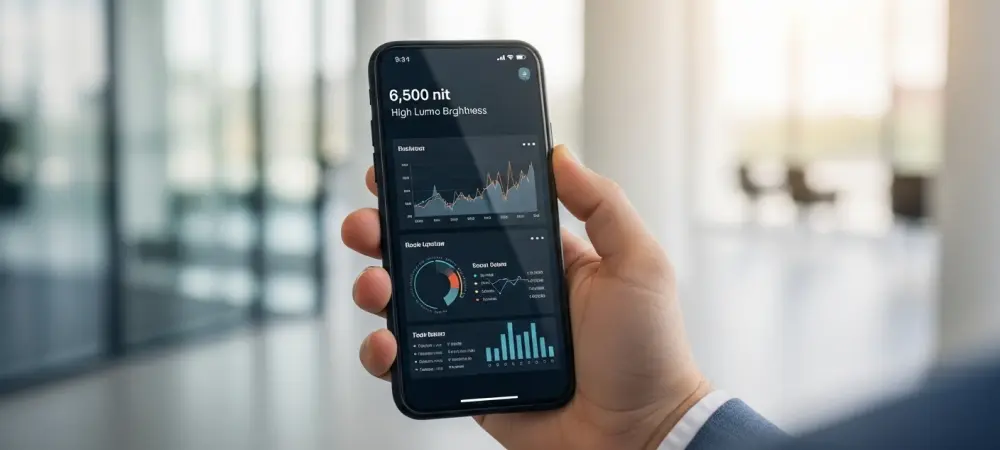
Pushing 6,500 nits on a 1.5K AMOLED panel is a staggering achievement that essentially eliminates the struggle of viewing a screen under direct, harsh sunlight. When you are standing outside at high noon, the screen remains vibrant and crisp, showing off the smooth 144Hz refresh rate without the typical washing-out effect. It feels like holding a piece of high-end equipment rather than a budget-friendly device, especially when those highlights in HDR content truly pop with searing intensity. This isn’t just about raw numbers; it is about the tactile comfort of never having to squint or cup your hand over the screen just to read a simple text message.
The inclusion of an 8,000mAh battery is a massive leap for a standard handset. What does this mean for the daily workflow of a power user?
An 8,000mAh battery essentially turns a phone into a multi-day powerhouse, which is a massive relief for anyone tired of the constant anxiety that comes with low battery percentages. You can go through a full day of heavy navigation and streaming and still see a significant amount of power left on your status bar before bed. The 80W fast charging acts as a perfect safety net, ensuring that even such a cavernous cell does not take all night to top up when you are in a hurry. I am particularly impressed by the bypass charging and reverse wired charging features, which allow the device to act as a power hub for other gadgets while protecting its own internal battery health.
Under the hood, we see the MediaTek Dimensity 7400 Super and a quad-IP durability rating. How do these technical choices impact the longevity of the phone?
The 4nm architecture of the Dimensity 7400 Super is built for efficiency, which is vital for managing the sophisticated animations of ColorOS 16 and Android 16. Seeing this phone carry IP66, IP68, IP69, and IP69K ratings is a huge win for consumers, as it protects against high-pressure water jets and accidental drops into harsh environments. It is about building a sense of trust; you do not have to panic if you are caught in a torrential downpour or if you spill a drink during dinner. This move toward extreme durability, combined with a 50MP OIS main camera and up to 12GB of RAM, suggests that OnePlus wants these affordable phones to be as rugged and capable as many top-tier flagships.
With leaks already pointing toward 10,000mAh batteries in future models, what is your forecast for the affordable smartphone market?
I believe we are entering an era where the budget segment will stop competing on price alone and start competing on pure endurance and specialized utility. As chips become even more efficient, manufacturers will use the extra internal space to jam in massive batteries like the rumored 10,000mAh units, effectively making the wall charger an accessory you only use twice a week. We will see affordable phones that are nearly indestructible and last for days, forcing premium flagships to innovate even harder on cameras and AI to justify their higher costs. The gap between entry-level and high-end hardware is blurring, and by the end of 2026, the average consumer will have access to technology that was once considered impossible.