

In a smartphone market where users increasingly demand that mid-range devices mirror the stamina and visual prowess of flagships, the pressure on manufacturers to innovate within strict price constraints has never been higher than it is today. OnePlus has responded to this challenge by significantly expanding its popular Nord portfolio with the simultaneous introduction of the Nord CE 6 and the Nord CE 6 Lite. These new entries represent a bold departure from the design cues of previous generations, signaling a shift toward a more utilitarian yet sophisticated aesthetic that seeks to redefine expectations for the Indian consumer. The standard model introduces a distinctive square-shaped camera island, a move that breaks away from the pill-shaped modules that defined earlier iterations. This strategic launch demonstrates a clear intent to dominate both the premium mid-range and the budget-conscious segments by offering a choice between high-end display technology and rugged, long-lasting reliability.
Advanced Internal Engineering and Visual Excellence
Display Technology: Pushing the Limits of Brightness
The centerpiece of the standard OnePlus Nord CE 6 is undoubtedly its 6.78-inch 1.5K AMOLED display, which sets a new benchmark for clarity and fluid motion in its price bracket. With a refresh rate of 144Hz, the panel ensures that every swipe and transition feels incredibly smooth, catering specifically to gamers and power users who prioritize responsiveness. Perhaps the most striking feature of this screen is its extraordinary peak brightness of 3,600 nits, a figure that was once reserved only for the most expensive professional-grade devices on the market. Such high luminosity ensures that the screen remains perfectly legible even under the harsh, direct sunlight often encountered across the Indian subcontinent. This display integration reflects a broader industry trend where premium visual experiences are no longer siloed within the flagship tier but are instead becoming a critical differentiator for competitive mid-range smartphones seeking to attract a more discerning audience.
Beyond the raw specifications of the panel, the integration of the Qualcomm Snapdragon 7s Gen 4 chipset provides the necessary processing power to drive these high-resolution visuals without compromising efficiency. This hardware synergy allows the device to maintain consistent frame rates during intensive tasks like high-definition video editing or mobile gaming. To prevent thermal throttling, the manufacturer has incorporated a large vapor chamber cooling system that effectively dissipates heat during prolonged usage sessions. This focus on thermal management is essential for maintaining the longevity of internal components and ensuring that the high brightness levels do not lead to overheating. By combining a top-tier visual interface with robust internal cooling and a modern processor, the device manages to provide a flagship-like experience that remains accessible to a wider demographic of users who are looking for performance that lasts throughout a typical multi-year upgrade cycle.
Energy Storage: Massive Battery Capacities and Charging
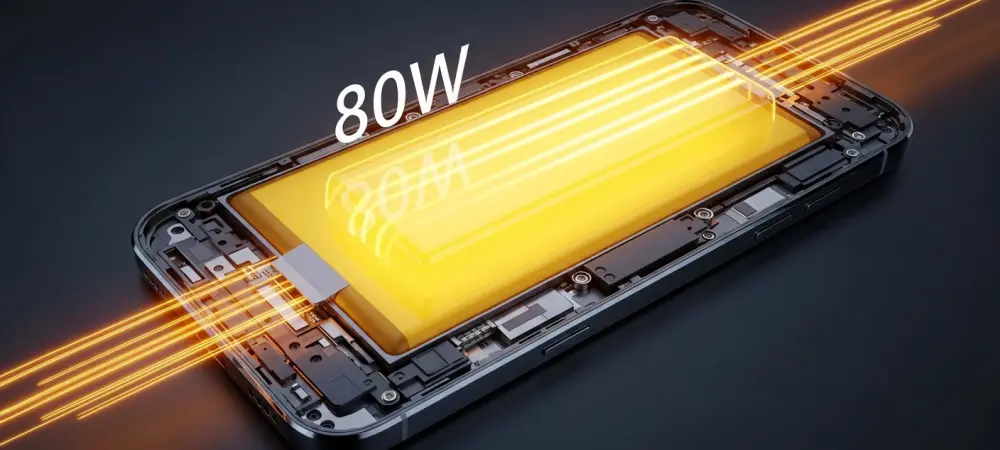
One of the most significant upgrades in this series is the inclusion of an 8,000mAh battery in the standard model, which stands as one of the largest power cells ever integrated into a mainstream mid-range smartphone. This massive capacity is designed to alleviate the range anxiety often felt by heavy users who find themselves searching for a charger before the day is over. Despite the substantial size of the battery, the device maintains a relatively sleek profile, proving that engineering advancements in energy density have reached a point where high capacity no longer requires a bulky chassis. To complement this large reservoir of power, the handset supports 80W wired fast charging, allowing users to quickly top up their device and return to their tasks without significant downtime. This combination of a high-capacity cell and rapid charging speeds represents a practical solution for the modern mobile lifestyle where constant connectivity is a non-negotiable requirement for many. The Lite variant follows a similar philosophy but adjusts its specifications to hit a more aggressive price point without sacrificing the core promise of long-lasting endurance. It features a 7,000mAh battery paired with 45W charging capabilities, which still places it well ahead of many competitors in the budget segment. Both devices prioritize efficient power delivery through the optimized OxygenOS 16 software, which manages background processes to ensure that energy is not wasted on unnecessary tasks. The decision to include such large batteries across the entire lineup suggests that the brand is focusing on “battery-first” engineering as a primary selling point for the Indian market. By addressing the fundamental need for endurance, these devices are positioned as reliable tools for students, professionals, and commuters who may not always have access to a power outlet during their daily routines, ensuring that their primary communication device remains active and ready for use.
Resilience Standards and Market Positioning
Durability and Build: Certification for Every Environment
Resilience has become a major talking point for this generation of smartphones, and the standard model leads the charge with an impressive array of environmental protections, including IP66, IP68, and IP69 series certifications. These ratings indicate that the device is not only protected against fine dust and immersion in water but can also withstand high-pressure, high-temperature water jets, making it exceptionally durable for a variety of challenging conditions. This level of ingress protection is rare in the mid-range segment and provides users with significant peace of mind when using their phones near pools, in the rain, or in dusty environments. The construction quality emphasizes a shift toward building devices that can survive the physical rigors of daily life, reducing the likelihood of accidental damage and potentially extending the overall lifespan of the hardware for the average consumer who may not want to use a protective case. While the standard model focuses on environmental sealing, the Lite version targets structural toughness by adhering to the MIL-STD-810H military-grade certification standards. This means the phone has undergone a series of rigorous tests designed to simulate drops, vibrations, and extreme temperatures, ensuring it can handle the bumps and scrapes of a busy lifestyle. By offering a military-grade build in the budget-conscious segment, the brand is appealing to users who value physical longevity over the most advanced screen technology. The photography system on both models is anchored by a 50-megapixel primary sensor, though the front-facing cameras differ to reflect their respective price points, with the standard model utilizing a 32-megapixel sensor and the Lite version opting for an 8-megapixel unit. This tiered approach to durability and imaging allows the manufacturer to cater to different types of “rugged” needs, whether that involves protection against the elements or resistance to physical impact.
Connectivity and Software: The Modern Ecosystem
Both smartphones arrive out of the box running OxygenOS 16, an operating system based on the latest Android 16 architecture, which emphasizes a clean, intuitive user interface and deep customization options. This software environment is designed to maximize the potential of the high-refresh-rate displays, providing a fluid navigation experience that feels instantaneous. In terms of connectivity, both handsets are fully equipped for the modern era, featuring support for 5G networks, Wi-Fi 6, and Bluetooth 5.4, ensuring that users can enjoy the fastest data speeds and most stable wireless connections available. The inclusion of these standards across the board means that even the more affordable Lite model is future-proofed for upcoming network expansions. This focus on software longevity and modern radio technology ensures that the devices will remain relevant and functional as digital infrastructure continues to evolve throughout the current decade. The pricing strategy for these devices was carefully calculated to bridge the gap between entry-level smartphones and high-end flagships in the Indian market. The standard model starts at Rs. 29,999 for the 8GB/128GB variant, while the Lite model offers a more accessible entry point starting at Rs. 20,999. By launching two distinct versions with different strengths, the company has created a comprehensive ecosystem that addresses both the desire for cutting-edge specs and the need for cost-effective reliability. Moving forward, consumers should look to leverage the specific strengths of each model based on their personal usage patterns; those who prioritize media consumption and gaming should lean toward the standard model, while those needing a rugged, high-endurance daily driver would find the Lite version more suitable. Looking ahead, the focus for mobile users will likely shift toward maximizing the utility of these massive batteries through optimized software settings to ensure long-term health and performance.