

Introduction
Imagine a world where the boundaries between artificial intelligence and gaming hardware blur, creating unprecedented possibilities for both industries and reshaping the technological landscape. The unveiling of Nvidia’s Rubin CPX GPU, primarily designed for AI compute tasks, has sparked intense speculation among tech enthusiasts and analysts about its potential as the foundation for a future flagship gaming GPU, possibly the RTX 6090. This development raises critical questions about the direction of GPU technology and how specialized designs might crossover into consumer markets. The significance lies in the potential for groundbreaking performance leaps in gaming if such a powerful AI chip adapts to graphics cards.
This FAQ aims to address the most pressing queries surrounding the Rubin CPX GPU, exploring its technical specifications, intended purpose, and the speculation about its gaming applications. Readers can expect clear, detailed answers that unpack the overlap between AI and gaming hardware, supported by insights from industry observations. By diving into this topic, the goal is to provide clarity on whether this AI-focused processor could indeed shape the future of gaming GPUs.
The scope of this discussion covers the Rubin CPX’s architecture, its primary role in AI workloads, and the reasons behind the buzz linking it to a possible RTX 6090. Each section will tackle a specific aspect of this debate, ensuring a comprehensive understanding of both confirmed facts and speculative possibilities. This exploration will help demystify the evolving landscape of GPU technology for tech enthusiasts and casual readers alike.
Key Questions or Key Topics
What Is the Rubin CPX GPU and Its Primary Purpose?
The Rubin CPX GPU, part of Nvidia’s Vera Rubin NVL144 CPX system, represents a cutting-edge processor engineered for demanding AI compute tasks. Its primary purpose is to handle long-context AI workloads, such as advanced research and high-definition media generation, which require immense computational power. This focus on AI underscores Nvidia’s commitment to pushing boundaries in machine learning and data processing, areas increasingly central to technological innovation.
Unlike traditional consumer GPUs, this chip is not marketed for gaming or general-purpose computing but for specialized enterprise applications. Its design caters to environments where sustained performance over complex algorithms is paramount, distinguishing it from the GeForce line of graphics cards. The emphasis on AI-specific optimization highlights a growing trend of tailoring hardware for niche, high-performance sectors.
Understanding this GPU’s role is crucial because it sets the baseline for evaluating speculation about broader applications. Nvidia has been explicit in positioning the Rubin CPX as an AI tool, which shapes the context of any discussion about potential crossover into gaming. This clarity helps separate official intent from the imaginative leaps made by the tech community regarding its capabilities.
What Technical Features of Rubin CPX Suggest a Gaming Potential?
A closer look at the Rubin CPX GPU reveals specifications that fuel speculation about its adaptability for gaming, despite its AI focus. Boasting 128GB of GDDR7 memory and support for PCIe 6.0, the chip offers bandwidth and speed that rival or exceed expectations for next-generation gaming hardware. These features alone suggest a capacity for handling visually intensive tasks beyond AI computations.
Further examination by tech analysts points to architectural elements like raster units, display engines, and up to 256 Render Output Units (ROPs), which are typically associated with rendering graphics rather than processing AI data. Such components are largely unnecessary for pure AI workloads but are vital for gaming performance, hinting at a design that might accommodate dual purposes. This overlap has led to theories that a gaming variant could emerge with impressive specs, including a 512-bit memory interface and nearly 28,000 CUDA cores.
These observations are supported by discussions from industry commentators on platforms like YouTube and tech blogs, who note similarities between the Rubin CPX and the anticipated GB202 GPU for the RTX 5090. While no hard evidence confirms a gaming adaptation, the presence of gaming-centric features in an AI chip raises intriguing possibilities. This technical overlap keeps the debate alive about whether Nvidia might leverage this architecture for a future flagship graphics card.
Why Is There Speculation About Rubin CPX as an RTX 6090 Precursor?
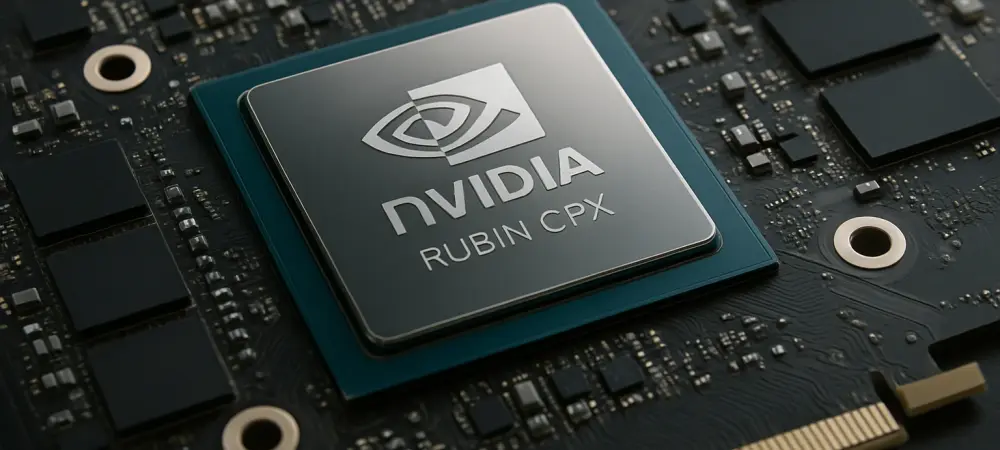
Speculation about the Rubin CPX GPU serving as a precursor to an RTX 6090 stems from a combination of its robust architecture and the tech community’s keen interest in Nvidia’s next moves. The gaming world is always on the lookout for hints of upcoming hardware that could redefine performance standards, and the Rubin CPX’s specs provide fertile ground for such conjecture. Its unveiling as an artistic render rather than a finalized die shot adds a layer of mystery, fueling curiosity about unrevealed intentions.
Analysts and enthusiasts have drawn parallels between this GPU and the expected features of Nvidia’s next-generation GeForce cards, particularly noting a potential 28% increase in CUDA cores over projections for the RTX 5090. This significant jump in computational power, if adapted for gaming, could result in one of the most formidable graphics cards ever created. Such possibilities resonate strongly with a community eager for innovation in gaming hardware.
However, Nvidia’s firm stance on the Rubin CPX’s AI-specific role tempers this enthusiasm, creating a tension between official narratives and speculative insights. The debate remains open due to the lack of concrete confirmation and the long timeline before the GPU’s release, expected in the coming years. This uncertainty sustains the conversation, as stakeholders weigh the likelihood of a dual-purpose design against the company’s stated focus.
How Does Nvidia’s Official Position Differ From Community Speculation?
Nvidia has consistently positioned the Rubin CPX GPU as a tool exclusively for AI compute tasks, emphasizing its role in enterprise-level applications over consumer markets. This official narrative underscores a strategic focus on supporting industries that rely on machine learning and data-intensive processes, distancing the chip from any gaming association. Such clarity aims to manage expectations and align the product with specific technological advancements in AI.
In contrast, the tech community, including analysts and enthusiasts, often interprets the GPU’s design as indicative of broader potential, particularly for gaming. Observations of features unnecessary for AI but critical for graphics rendering drive theories that Nvidia might be laying groundwork for a future RTX 6090 or similar product. This perspective is fueled by a desire to see cutting-edge technology trickle down to consumer hardware, reflecting a pattern seen in past Nvidia innovations.
The divergence between these viewpoints creates a nuanced discussion, where official statements are weighed against technical analysis and market anticipation. While Nvidia’s position remains authoritative, the community’s speculation highlights a curiosity about the evolving nature of GPU architecture. This dynamic keeps the topic engaging, as it balances confirmed intent with imaginative possibilities for future applications.
Summary or Recap
This FAQ distills the core insights surrounding the Rubin CPX GPU, highlighting its primary design for AI workloads while addressing the speculation about its gaming potential. Key points include the GPU’s impressive specifications, such as 128GB of GDDR7 memory and PCIe 6.0 support, alongside architectural features that suggest applicability beyond AI. The discussion also captures the tension between Nvidia’s official AI-focused narrative and the tech community’s theories about a possible RTX 6090 connection. The main takeaway is that while the Rubin CPX represents a significant advancement in AI hardware, its design elements spark credible speculation about influencing future gaming GPUs. This overlap between specialized and consumer technology illustrates the fluid boundaries in modern hardware development. Readers are left with a clearer understanding of both the confirmed capabilities and the unresolved questions that keep this topic alive.
For those seeking deeper exploration, delving into Nvidia’s roadmap for AI and gaming products or following updates from tech analysis platforms can provide additional context. Engaging with community discussions on forums and social media also offers diverse perspectives on emerging GPU trends. These resources can help bridge the gap between current knowledge and future revelations in this dynamic field.
Conclusion or Final Thoughts
Reflecting on the discourse around the Rubin CPX GPU, it becomes evident that the intersection of AI and gaming hardware has captured significant attention within the tech sphere. The potential for a chip designed for enterprise AI to influence consumer gaming products underscores a pivotal moment in technological evolution. This possibility hints at a future where specialized tools could redefine everyday digital experiences.
As a next step, stakeholders are encouraged to monitor Nvidia’s upcoming announcements and product releases for any hints of architectural crossover. Keeping an eye on industry analyses and benchmark leaks offers a pathway to anticipate how such powerful technology might shape gaming landscapes. This proactive approach allows for staying ahead of trends in GPU innovation.
Ultimately, the speculation surrounding this GPU prompts a broader consideration of how advancements in one sector could unexpectedly benefit another. Readers are urged to think about how such developments might impact their own engagement with technology, whether through gaming or other digital pursuits. This reflection opens doors to envisioning a future where hardware boundaries continue to blur, creating exciting opportunities for all.