

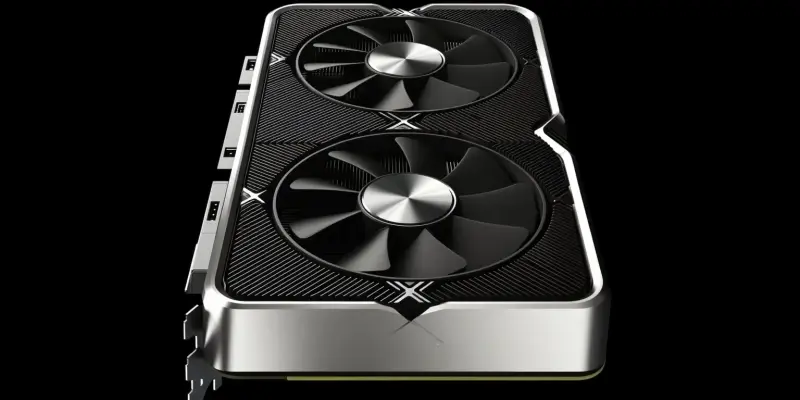
Nvidia has taken a unique approach to marketing its latest graphics cards at the 2025 GPU Technology Conference (GTC), opting to sell the highly anticipated RTX 5080 and RTX 5090 GPUs from a food truck. This unorthodox strategy has garnered significant attention from the tech community, with many eager to understand the motivations and logistics behind such a bold move. The limited availability of these graphics cards, coupled with their high demand, has fueled the excitement surrounding Nvidia’s unconventional sales tactic.
Exclusive Sales to Conference Attendees
The RTX 5080 and RTX 5090 graphics cards are available for purchase solely to registered conference or exhibit pass holders at GTC 2025. With only 2,000 cards in total—1,000 of each model—available for sale, Nvidia has created a sense of exclusivity and urgency among potential buyers. The RTX 5080 is priced at $999, while the RTX 5090 comes in at $1,999. However, buyers must adhere to specific instructions to secure their purchase. The graphics cards are sold in limited bursts, with 90 units available during a 30-minute window, ensuring that the distribution process remains fair and manageable.
Upon purchase, the graphics cards must be picked up from the South Hall main entrance on the same day, enhancing security and preventing logistical complications. By implementing these measures, Nvidia aims to manage the high demand efficiently and avoid any form of market disruption. This marketing strategy not only addresses the supply scarcity but also highlights Nvidia’s commitment to providing developers and tech enthusiasts with access to their cutting-edge products in a controlled and organized manner.
Addressing Market Shortages and Inflation
The decision to sell the RTX 5080 and RTX 5090 GPUs from a food truck comes against the backdrop of significant market shortages and price inflations for graphics cards. These high acquisition costs have been exacerbated by recent price hikes from companies like Asus, making it increasingly difficult for consumers to obtain these state-of-the-art components. By offering these models directly to conference attendees, Nvidia is circumventing the traditional retail channels, which often contribute to inflated prices due to high demand and limited supply.
This strategy benefits software developers and industry professionals attending the conference by providing them with the opportunity to purchase these GPUs at their original prices. However, the average consumer remains largely unaffected by this event, as the broader market continues to grapple with acute shortages and soaring costs. Despite this, Nvidia’s approach sends a clear message about its understanding of and responsiveness to the current market dynamics.
In addition to their sales strategy, Nvidia has also used the GTC 2025 platform to unveil its future lineup of AI-accelerating GPUs. With plans to release the Blackwell Ultra in 2025, Vera Rubin in 2026, Rubin Ultra in 2027, and Feynman in 2028, Nvidia continues to demonstrate its leadership in the AI and GPU markets. These announcements reinforce the company’s commitment to innovation and its strategic vision for maintaining a competitive edge in the rapidly evolving tech landscape.
A Blend of Promotional Ingenuity and Strategic Scarcity Management
Nvidia has taken a unique, attention-grabbing approach to marketing their latest graphics cards at the 2025 GPU Technology Conference (GTC). Instead of using a traditional retail or online release, they decided to sell the much-anticipated RTX 5080 and RTX 5090 GPUs from a food truck. This unorthodox strategy has captured significant interest from the tech community, as enthusiasts and experts alike are curious about the reasons and logistics behind this bold promotional move.
The limited availability of these state-of-the-art graphics cards, combined with the prevailing high demand for advanced GPUs, has only fueled the excitement surrounding Nvidia’s unconventional sales tactic. The company’s decision to employ such a novel approach demonstrates its intent to create a buzz and engage consumers in an innovative way. By stepping away from the norm and using a food truck to distribute their new products, Nvidia has succeeded in making a significant splash, ensuring that their latest release remains a hot topic within the tech world.