

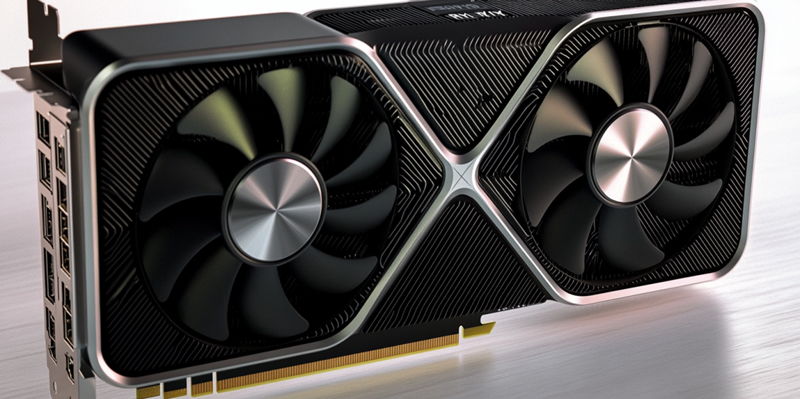
The tech community was buzzing with excitement when a leaked video purportedly showcased the trial production of Nvidia’s upcoming RTX 5090 GPU at an Indonesian factory. This initial excitement, rooted in the fervent anticipation of Nvidia’s next-generation graphics card, was quickly tempered when it was revealed that the video actually depicted the already available Zotac Gaming RTX 4070 Ti Super Solid graphics card. Despite this revelation debunking initial speculations, the incident highlighted the heightened eagerness and susceptibility to misinformation within the tech community regarding Nvidia’s forthcoming innovations. This misinterpretation unraveled initial misconceptions and underscores the anticipation surrounding Nvidia’s next big release.
Misconceptions and Misinformation
When the video first surfaced on platforms like Bilibili and was later covered by VideoCardz, many viewers believed it provided early visual proof of the RTX 5090 in production. The footage showed a GPU branded by Zotac Gaming being powered up and tested, an event that appeared to be validated by celebratory applause from the production team. Given Zotac’s prior history with leaks, including the premature reveal of the RTX 4090 in September 2022, the community was quick to jump to conclusions, proliferating enthusiastic discussions across forums.
Several factors fueled this speculation, chief among them the anticipation of an RTX 5090 announcement at CES 2025. Moreover, many assumed that the new GPU would necessitate dual 16-pin connectors due to its anticipated high power requirements. However, the video seemingly debunked this rumor, as the GPU shown only used a single 16-pin connector. This sparked avid conversations and debates, reflecting the community’s eagerness for official details on Nvidia’s next flagship GPU. Excitement was palpable, with many hoping the video offered a glimpse into the future of high-performance graphics processing.
Zotac Confirms the Actual GPU
Zotac stepped in to clarify the confusion, affirming that the GPU shown in the leaked video was indeed the RTX 4070 Ti Super, and not the rumored RTX 5090. The company described the footage as an "internal training recording," inadvertently leaked, and raised questions about their supply chain security given previous early leaks. Despite being prompted by the video’s viral momentum, Zotac’s statement dispelled the rumors, reinforcing the reality that the highly anticipated RTX 5090 was not featured in the footage.
The disclosed RTX 4070 Ti Super represents an enhanced version of the existing 4070 Ti. This model features the AD102 chip and boasts 16 GB of VRAM, improved clock speeds, and superior cooling systems, all designed for optimal 4K gaming performance. While this GPU marks a significant upgrade within its category, it falls short of the speculative expectations tied to the RTX 5090. Enthusiasts expecting next-gen breakthroughs were met with a mix of disappointment and intrigue as Zotac clarified the identity of the incorrectly identified GPU.
The Impact of Speculation
The misidentification of the GPU in the video underscores how speculation can quickly spiral into widespread misinformation. Some theorists even suggested that Zotac’s denial might be strategic, designed to mitigate backlash from Nvidia over potential leaks. However, such a theory remains speculative, as intentional deception could severely damage Zotac’s relationship with its consumers and tarnish its credibility within the industry. Despite these far-fetched theories, reactions to the confirmed identity of the GPU prompted a blend of skepticism and fascination with Nvidia’s secretive development processes.
Despite this clarification, the community remains abuzz with speculation about the RTX 5090’s actual features and release date. The rumor regarding the dual 16-pin connector continues to garnish attention, maintaining the uncertainty and excitement around Nvidia’s next big launch. Insights into potential specifications, including superfast clock speeds and a sleek design, keep the anticipatory dialogue alive. Even with the misconceptions surrounding the leaked video, fervent anticipation for the genuine RTX 5090 remains unabated in tech circles.
Market Anticipation and Pricing
In the broader context of Nvidia’s product release strategy, discussions include potential upcoming launches like the RTX 5060 and the 5060 Ti, speculated to debut as early as March 2025. While many within the community remain skeptical of these projections, the primary focus persists predominantly on the RTX 5090. Predictions about its price range from $2,000 to a worst-case scenario of $2,500, indicating Nvidia’s intent to capture the high-end market segment, akin to their Titan series. Such predictions imply a shift towards premium pricing for cutting-edge hardware, reflecting industry trends and market demands.
Further speculative discourse blends hope and skepticism, reflecting the community’s desire for groundbreaking hardware innovations balanced against market realities. Enthusiasts crave the high performance synonymous with Nvidia’s flagship GPUs, raising the stakes for the RTX 5090. This anticipation underscores a price-sensitive market that is gradually adapting to the trends of premium pricing, aligning with Nvidia’s strategy to cater to the upper echelons of technology consumers.
Conclusion: The Ever-Present Buzz
The tech world was abuzz when a leaked video seemingly showcased Nvidia’s upcoming RTX 5090 GPU being tested at a factory in Indonesia. The excitement quickly turned to disappointment when it was revealed that the footage actually featured the already available Zotac Gaming RTX 4070 Ti Super Solid graphics card. While the initial excitement was based on the anticipation of Nvidia’s next big release, the revelation debunked the speculations and served as a reminder of the tech community’s susceptibility to misinformation. This incident highlighted the intense eagerness for Nvidia’s future innovations and emphasized how easily rumors can spread within tech circles. Despite the clarification, the event underscored the significant anticipation surrounding Nvidia’s next-generation graphics cards. The mix-up also revealed the high levels of enthusiasm and curiosity that tech enthusiasts have for the next advancements in graphics technology, keeping everyone on their toes for legitimate news.