

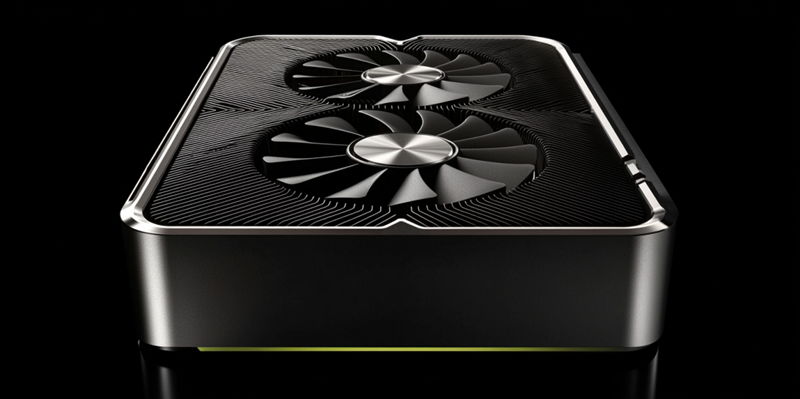
NVIDIA is poised to make significant strides in the GPU market with the dual launch of the NVIDIA App and the GeForce RTX 50 "Blackwell" series. This comprehensive update signals not only technological advancements but also a strategic shift towards user-friendly software solutions. As the company transitions into 2025, it aims to set new benchmarks in performance and user experience. The combination of these state-of-the-art GPUs with a new centralized software platform underscores NVIDIA’s focus on innovation and strategic positioning within a competitive market landscape.
The Transformation: NVIDIA App Replaces GeForce Experience and Control Panel
In a move to streamline user experience, NVIDIA is combining the functionalities of the NVIDIA Control Panel and GeForce Experience into a single, cohesive application—the NVIDIA App. Currently in its beta phase, this app is set to be the central hub for all GPU customization and optimization needs. User feedback is being actively sought to polish its features before the final release. The integration aims to simplify the process of managing GPU settings, making it more accessible and efficient for users at all levels. Features such as driver updates, game optimization, and system monitoring will now be available in one place.
This consolidation is a strategic move designed to enhance convenience and user satisfaction. Beyond mere convenience, the NVIDIA App showcases a customer-centric approach, encouraging a more interactive and responsive relationship between the company and its user base. With real-time updates and streamlined interfaces, the app is expected to revolutionize how users interact with their NVIDIA hardware. This strategy signifies NVIDIA’s commitment to providing a seamless and integrated experience, all while catering to the evolving needs of its user base. The app aims to tackle the complexity of GPU management by offering a unified platform that appeals to both novice users and tech enthusiasts.
Unveiling the GeForce RTX 50 "Blackwell" Series
As the focus shifts to hardware, NVIDIA’s next-generation GeForce RTX 50 series, codenamed "Blackwell," has been announced for late 2024 or early 2025. This high-end series is expected to include models like the RTX 5090, RTX 5080, and RTX 5070, each promising significant performance upgrades and architectural advancements. The anticipated launch at CES 2025 is creating quite a buzz, with many expecting game-changing innovations that will redefine GPU performance standards. These new GPUs are designed to cater to both high-end users and professionals looking for unparalleled performance in gaming, AI, and other resource-intensive applications.
The strategic planned phased rollout will start with high-end models, followed by more budget-friendly options. This tiered approach ensures that NVIDIA can cater to a wide range of consumers, from enthusiasts seeking top-tier performance to budget-conscious users wanting reliable and powerful GPUs at an affordable price point. NVIDIA’s tiered launch strategy mirrors previous successful launches and represents its commitment to addressing the diverse needs of the market. Each of these new models is anticipated to bring significant performance improvements, potentially setting new benchmarks in the industry and pushing the envelope on what is possible with GPU technology.
Competitive Landscape: NVIDIA vs. AMD
As NVIDIA unveils its RTX 50 series, the competitive landscape in the GPU market is also heating up. AMD is gearing up for the release of its RX 8000 series at CES 2025. While AMD’s offerings may not directly compete with NVIDIA’s flagship models, they are expected to provide compelling options in the mid-range and budget sectors. This competitive tension is set to benefit consumers, driving innovation and potentially leading to pricing battles. AMD’s NAVI 44 and NAVI 48 chips are anticipated to offer strong performance, adding more choices for users and pushing NVIDIA to continuously up its game.
This brewing rivalry underscores the dynamic nature of the GPU market, where innovation and strategic planning are key to maintaining a competitive edge. NVIDIA’s strategic expansion into AI servers further distinguishes it from its competitors. With significant shipments scheduled by the end of Q4 2024, and ramping up in Q1 2025, NVIDIA is not just focusing on consumer GPUs but also bolstering its AI capabilities. This expansion highlights the company’s multifaceted growth strategy and its intent to lead in multiple technology sectors. By broadening its market focus, NVIDIA is positioning itself to capitalize on a variety of technological advancements and consumer demands.
Strategic Alliances and AI Expansion
NVIDIA is gearing up to make significant advances in the GPU market with the simultaneous launch of the NVIDIA App and the GeForce RTX 50 "Blackwell" series. This major update highlights not only remarkable technological progress but also a strategic pivot towards more user-centric software solutions. As the company approaches 2025, it aims to establish new standards in both performance and user experience. The integration of these cutting-edge GPUs with a new, centralized software platform emphasizes NVIDIA’s commitment to innovation and its strategic positioning within a highly competitive market. With this dual release, NVIDIA seeks to address the evolving needs of both gamers and professionals, ensuring that they can take full advantage of the latest hardware capabilities through an intuitive software interface. This move is expected to solidify NVIDIA’s standing as a leader in the technology space, offering unparalleled performance and ease of use. The overarching goal is to provide users with a seamless, enhanced experience, propelling the company to new heights in the GPU industry.