

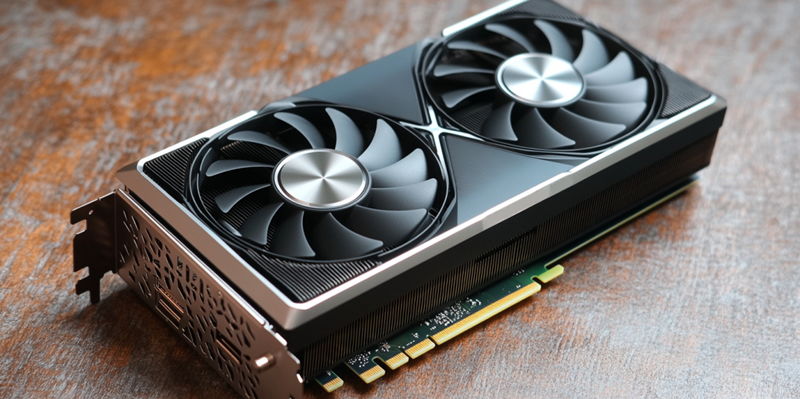
As technology enthusiasts eagerly await the CES 2025 event, a recent leak regarding Nvidia’s forthcoming GPU, the RTX 5070 Ti, has generated considerable buzz and speculation. This eagerly anticipated new addition to Nvidia’s Blackwell GPU lineup is rumored to utilize a cut-down version of the GB203 chip, the very same component reportedly featured in the RTX 5080. Such insights have sparked widespread interest about what Nvidia plans to unveil and how this model might stand out against its predecessors and contemporaries.
A Closer Look at the RTX 5070 Ti Specifications
The RTX 5070 Ti is expected to pack a serious punch, featuring 8,960 CUDA cores, which amount to 70 Streaming Multiprocessors (SMs). This configuration marks a substantial leap in potential performance. While its power consumption is speculated to be around 300W, the exact metric—whether TGP or TDP—remains unclear. This power demand hints at a robust processing capability but also questions around energy efficiency and heat management.
Filling the Gap in the GPU Lineup
Interestingly, while previous rumors have circulated about Nvidia’s RTX 5090, 5080, and 5070, the introduction of the 5070 Ti reveals a strategic move to address a specific market segment. Positioned potentially as a bridge between the 5070 and 5080, the 5070 Ti is rumored to come with more VRAM, possibly up to 18GB, compared to the 12GB rumored for the 5070. This increase in VRAM might make the 5070 Ti an appealing option for users needing extra memory for demanding applications.
Nvidia’s Strategy for the Next-Gen GPUs
The leak positions the 5070 Ti not just as an intermediary but suggests a notable boost in performance compared to its predecessor, the discontinued RTX 4070 Ti. A rumored 16% increase in core count emphasizes Nvidia’s intent to draw sharper distinctions between its GPU tiers within the Blackwell series. If the leaks are accurate, this could position the 5070 Ti as a highly competitive player in both performance and price segments.
Potential CES 2025 Announcements
With CES 2025 on the horizon, speculation is rife regarding which models Nvidia will officially announce. While excitement builds around the RTX 5090 and 5080, the possibility that the 5070 and 5070 Ti could also be revealed adds an extra layer of anticipation. As always, it’s essential to approach these rumors with caution until official announcements are made. However, the 5070 Ti’s rumored specifications suggest a significant shake-up could be on the horizon for Nvidia’s GPU lineup.
Conclusion
As technology enthusiasts eagerly await the CES 2025 event, there’s growing excitement surrounding a recent leak about Nvidia’s upcoming GPU, the RTX 5070 Ti. This leak has sparked considerable interest and speculation within the tech community. The RTX 5070 Ti, a highly anticipated addition to Nvidia’s Blackwell GPU lineup, is rumored to feature a modified version of the GB203 chip. This same component is reportedly also found in the RTX 5080. Such insights have generated significant buzz, prompting questions about Nvidia’s plans for this new model. Enthusiasts and analysts alike are keen to see how the RTX 5070 Ti will distinguish itself from its predecessors and competitors on the market. The potential advancements in performance, efficiency, and features are subjects of much discussion and anticipation. With CES 2025 on the horizon, the tech community is eagerly watching for any further details or announcements that will shed light on Nvidia’s innovations and the future direction of their GPU lineup.