

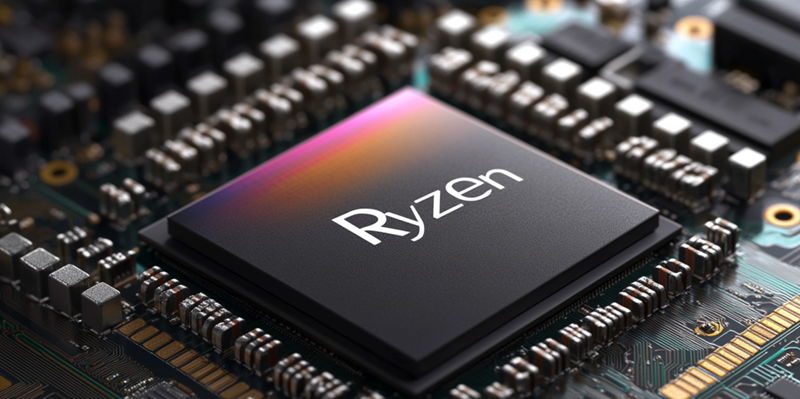
The rumor that AMD may enter the smartphone market with its "Ryzen AI" mobile SoCs has sparked considerable excitement and speculation within the tech industry. If this turns out to be true, it could lead to a significant shakeup in a market currently dominated by Qualcomm and MediaTek, and even challenge the dominance of Apple. AMD’s potential introduction of "APU-like" Ryzen AI chips to the smartphone arena would emphasize power-to-performance ratios similar to its Phoenix, Hawk Point, and Strix Point APUs, potentially offering a powerful alternative to existing mobile processors.
In the current landscape, Qualcomm’s Snapdragon X Elite chips dominate the mobile PC market, and recent collaborations between NVIDIA and MediaTek suggest a growing trend towards integration between mobile and PC technologies. This reflects broader trends of extensive collaborations across the tech industry. AMD has a history of successfully integrating its technologies into mobile devices, with previous deployments in Samsung Exynos chips, including RDNA ray tracing and FSR technologies, to enhance the features of Galaxy smartphones. This precedent suggests that AMD could bring full-on Ryzen chip implementations to smartphones rather than just licensing RDNA intellectual property. Such a move would be groundbreaking, offering a whole new level of performance and energy efficiency in mobile devices.
A Strategic Move for AMD
AMD’s expansion into the mobile sector could be seen as a strategic move to seek growth opportunities beyond the AI market, currently dominated by NVIDIA. With smartphones becoming increasingly critical platforms for both personal and professional use, the demand for powerful, efficient processors has never been higher. AMD entering this market could introduce increased competition, driving innovation and potentially lowering costs for consumers. Furthermore, AMD’s established reputation for delivering superior performance in PC processors could transfer to the mobile sector, providing a distinct advantage over current market leaders like Qualcomm and Apple. By leveraging its existing technological advancements in APU development, AMD might well offer a competitive edge in terms of both power efficiency and raw processing power, essential factors in the next generation of mobile devices.
The implications of AMD deciding to step into the mobile chip market reach further than just competition. This move could catalyze broader changes in the tech industry, including new partnerships and shifts in market shares. The potential disruption brought about by AMD’s entry could accelerate development cycles and lead to faster innovations across the board. Moreover, this strategic diversification would also fortify AMD against the unpredictable fluctuations of the AI and PC markets, ensuring more stable growth opportunities and robust financial health. As AMD aligns itself with the rapidly evolving demands of mobile technology, the tech landscape could witness a transformative phase, benefiting not just manufacturers but end-users as well.
Potential Industry Impacts
The rumor that AMD might enter the smartphone market with "Ryzen AI" mobile SoCs has stirred up excitement and speculation within the tech community. If true, AMD could disrupt a market now led by Qualcomm and MediaTek, posing a challenge even to Apple’s dominance. The introduction of "APU-like" Ryzen AI chips in smartphones would focus on power-to-performance ratios similar to AMD’s Phoenix, Hawk Point, and Strix Point APUs, potentially offering a robust alternative to current mobile processors.
Currently, Qualcomm’s Snapdragon X Elite chips rule the mobile PC market, and NVIDIA’s collaboration with MediaTek highlights a trend toward integrating mobile and PC tech. AMD has a solid track record of integrating its technologies into mobile devices, previously seen in Samsung’s Exynos chips, which included RDNA ray tracing and FSR technologies to boost Galaxy smartphones. This history suggests AMD might bring full Ryzen chip implementations to smartphones rather than just licensing RDNA technology. Such a move could revolutionize mobile devices, offering unprecedented performance and energy efficiency.