

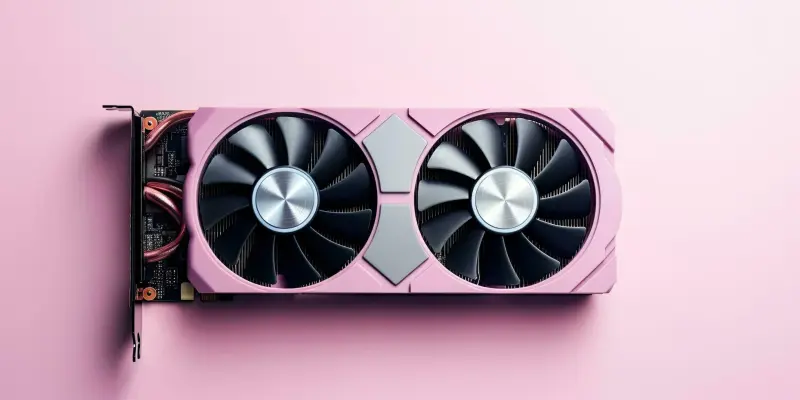
In an unexpected turn of events, NVIDIA’s GeForce RTX 5060 graphics card was listed prematurely by PNY on Best Buy, catching the attention of gaming and tech enthusiasts worldwide. Priced at $299.99, this card is poised to succeed the popular RTX 4060, bringing with it a host of significant upgrades that promise increased performance. The GPU’s core specifications include a 25% increase in CUDA cores, now boasting a total of 3,840, up from its predecessor’s 3,072. This boost is expected to bring marked improvements in raster performance, crucial for those seeking a smoother, more responsive gaming experience. Additionally, a notable enhancement is the transition from GDDR6 to GDDR7 memory, which not only raises the memory bandwidth from 272 GB/s to a competitive 448 GB/s but also ensures a more efficient data handling process, offering gamers and professionals alike a robust option for demanding applications.
Design and Specifications
The PNY RTX 5060 OC edition stands out with its sleek, all-black design paired with dual-fan cooling technology. These fans are not just an aesthetic feature but are engineered to maintain optimal thermal levels even during intense usage. As for its operational metrics, the card presents base and boost clock speeds of 2.28 GHz and 2.54 GHz, respectively, narrowing the performance gap with high-end models like the RTX 5060 Ti. Despite this proximity in performance, the RTX 5060 requires a bit more power, with a total board power (TBP) pegged at 145W. This increase is justified, however, by the potential 25% boost in performance that such an energy input facilitates. These specifications paint a picture of a powerful mid-range card designed to handle the latest games and applications with ease, providing users with a compelling alternative to more expensive options.
Market Dynamics and Expectations
The NVIDIA RTX 5060’s initial price tag of $299.99 might seem enticing; however, tech enthusiasts should be prepared for price increases once it hits the shelves. Past trends with NVIDIA’s RTX 50 series have shown that although the base models launch at reasonable prices, rising demand and market dynamics commonly cause the prices to escalate. While the starting point may be $299, it’s probable that top-tier versions will reach up to $400, reflecting the pricing patterns seen in NVIDIA’s Blackwell lineup. This suggests a market alignment with demand for cutting-edge hardware. The flexibility in pricing and model distinctions ensures the RTX 5060 will cater to gamers with budget constraints, as well as those in pursuit of high performance. This trend highlights the industry’s challenge of balancing technological advancements with affordability, showcasing NVIDIA’s strategic approach to evolving the gaming sector. Overall, RTX 5060’s release signals a noteworthy update in NVIDIA’s Blackwell collection, enhancing consumer expectations and market standards.