

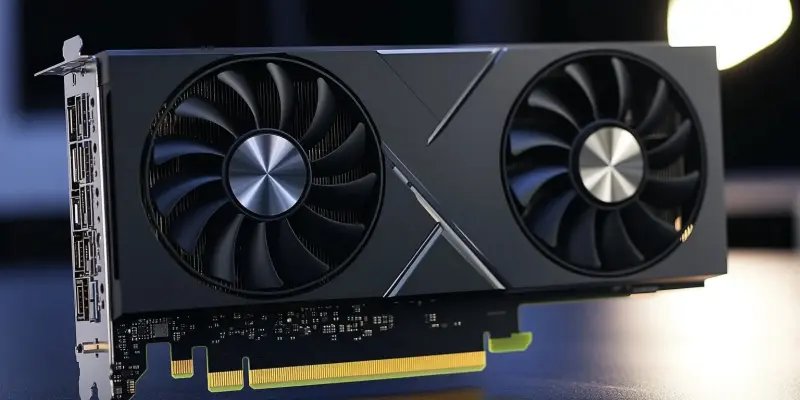
The experience of encountering a black screen while using RTX 50 series GPUs has been a persistent source of frustration for many users, leading to a significant outcry within the gaming and creative communities. NVIDIA has now responded to these widespread complaints by releasing the GeForce Driver 572.60, which aims to resolve the black screen issue plaguing RTX 50 series GPUs. This highly anticipated driver update addresses a broad spectrum of technical glitches, improving the overall user experience by enhancing stability and performance.
Major Bug Fixes and Performance Enhancements
The GeForce Driver 572.60 provides a comprehensive suite of fixes that tackle not only the black screen problem but also several other bugs that have been detracting from the GPU’s performance. For gamers, one of the most critical fixes pertains to stuttering in SteamVR applications, which had been causing a considerable drop in immersion and playability. By resolving this issue, NVIDIA has significantly enhanced the virtual reality gaming experience for its users. Additionally, the update addresses crashes in Adobe Substance 3D Sampler and texture corruption in Adobe Substance 3D Painter, which were major pain points for digital artists relying on these tools for their work.
Another key improvement is the boost in performance in VRay 6 CUDA tests. Users had reported subpar benchmarks when running these tests, which affected not only their current work but also their future buying decisions regarding NVIDIA’s products. With the new driver, NVIDIA has effectively restored confidence in the capabilities of its RTX 50 series GPUs. Moreover, the driver addresses audio issues that were particularly noticeable when using DisplayPort 1.4 at high refresh rates. These issues included audio dropouts and synchronization problems, which could detract from an otherwise seamless multimedia experience.
Introduction of DLSS 4 Support for Popular Games
The new driver update also introduces DLSS 4 support for popular games, enhancing graphics quality and performance. This significant addition is expected to provide users with smoother and more visually impressive gaming experiences, further bolstering NVIDIA’s reputation for innovation and responsiveness to user needs. Users can now look forward to better performance and fewer technical issues, allowing them to fully enjoy their gaming and creative activities.
NVIDIA’s prompt response aims to restore faith among its user base by showing its commitment to addressing and resolving issues that impact the user experience.