

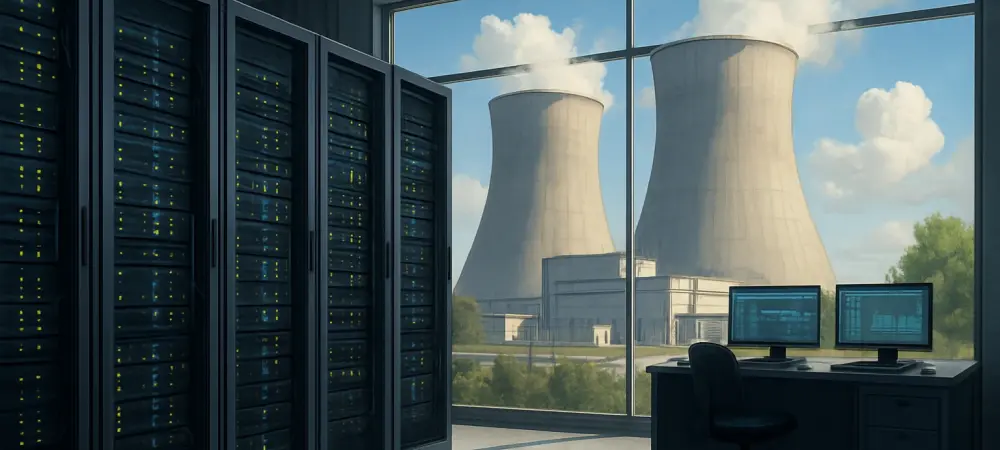
Imagine sitting down with Dominic Jainy, a seasoned IT professional whose deep expertise in artificial intelligence, machine learning, and blockchain has positioned him as a thought leader in integrating cutting-edge technology with energy solutions. Today, we’re diving into a critical intersection of his knowledge: the skyrocketing energy demands of data centers and the potential of nuclear energy to meet those needs. Our conversation explores the driving forces behind data center power consumption, the unique advantages of nuclear energy, and the innovative strategies reshaping supply chains and project delivery for these complex initiatives.
Can you explain what’s driving the massive electricity consumption of data centers in recent years?
Absolutely. Data centers are the backbone of our digital world, powering everything from cloud computing to streaming services, and now, the explosion of artificial intelligence. AI, in particular, is a game-changer—training models and running complex algorithms require enormous computational power, which translates to huge energy needs. It’s not uncommon for a single large data center to use as much electricity as a small city. Compared to other industries, this is staggering; even heavy manufacturing often pales in comparison to the sheer scale of power these facilities demand.
What factors do you see contributing to projections that data centers could make up 12% of US electricity consumption by 2028?
That projection reflects the accelerating pace of digital transformation. We’re seeing an insatiable demand for data processing as AI adoption grows, alongside trends like edge computing and 5G networks. Certain regions, like Northern Virginia and Silicon Valley, are becoming epicenters for data center hubs, which concentrates the load on local grids. Many of these grids weren’t built for this kind of demand, and they’re struggling—blackouts and capacity constraints are real issues, pushing the need for alternative energy solutions.
Why is nuclear energy emerging as a viable option to power these data centers?
Nuclear energy offers something unique: clean, reliable, always-on power. Data centers can’t afford downtime, and unlike solar or wind, which depend on weather conditions, nuclear provides a consistent baseload. It’s also more sustainable long-term compared to fossil fuels, aligning with corporate goals for carbon neutrality. While renewables like solar and wind are critical, they often need backup systems for reliability, whereas nuclear can stand alone as a primary source for decades.
Nuclear projects are known for their complexity. Can you walk us through some of the biggest hurdles in bringing these initiatives to life?
These projects are incredibly intricate. You’re dealing with thousands of specialized components, strict safety regulations, and a global network of suppliers. One major hurdle is coordination—any delay in a single part can halt an entire project. Costs often spiral due to unforeseen regulatory changes or labor shortages. I’ve seen projects delayed by years because a critical piece of equipment was stuck in transit or didn’t meet specs, which underscores how fragile the process can be without meticulous planning.
How are innovations in supply chain management helping to make nuclear energy projects more feasible for data centers?
Smarter supply chain strategies are a lifeline. For instance, shifting toward regional or localized sourcing cuts down on delays caused by global trade disruptions and shortens lead times. AI tools are also transformative—they can map out supplier networks, predict risks like material shortages, and even simulate delivery scenarios. This kind of foresight lets project leaders address issues before they become crises, making the whole endeavor more manageable and cost-effective.
Standardization of designs is often mentioned as a way to reduce risks in nuclear projects. Can you elaborate on what that means and why it’s beneficial?
Standardization means using consistent technical designs and specifications across projects, rather than reinventing the wheel each time. For nuclear energy, this allows suppliers to streamline production, improve quality control, and deliver faster. It also helps with regulatory compliance—when designs are predictable, it’s easier to meet safety standards. For data center projects, this translates to quicker deployment of power infrastructure, which is critical when demand is outpacing supply.
Why is early engagement with suppliers and regulators so crucial for the success of nuclear energy initiatives?
Bringing everyone to the table early—fabricators, logistics teams, regulators—creates a shared understanding of goals and challenges. It allows for better demand forecasting, so you’re not scrambling for materials mid-project. It also helps in aligning designs with regulatory expectations from the get-go, avoiding costly redesigns. I’ve noticed that projects with early collaboration tend to have smoother timelines because potential roadblocks are identified and mitigated before ground is even broken.
What role do digital tools play in transforming how supply chains are managed for these large-scale energy projects?
Digital tools like predictive analytics and digital twins are revolutionizing supply chain oversight. They provide real-time visibility into every aspect—material availability, workforce productivity, even compliance checkpoints. For example, a digital twin can simulate an entire project timeline, spotting bottlenecks before they happen. This gives project leaders the ability to pivot quickly, whether it’s rerouting shipments or adjusting schedules, which is invaluable in something as high-stakes as nuclear energy delivery.
Looking ahead, what is your forecast for the integration of nuclear energy in powering the data center industry over the next decade?
I’m optimistic but realistic. Over the next ten years, I expect nuclear energy, especially through innovations like small modular reactors, to play a growing role in meeting data center demands. The push for sustainable, reliable power will drive investment, and as supply chain innovations mature, we’ll see projects delivered more efficiently. However, regulatory hurdles and public perception will remain challenges. If industry and government can align on streamlined processes and safety assurances, nuclear could become a cornerstone of digital infrastructure energy by the 2030s.