

Dominic Jainy has built a career deciphering the intersection of high-end software and the hardware that powers it. As an IT professional with a sharp eye for how artificial intelligence and machine learning integrate into consumer electronics, he brings a unique perspective to the upcoming launch of the Nothing Phone (4b). We sat down to discuss how this new device balances efficiency with the brand’s iconic design language, focusing on the strategic choice of components that aim to redefine the budget smartphone segment. In our conversation, Jainy breaks down the implications of the new Snapdragon chipset, the surprising leap in battery capacity, and what a bloatware-free OS means for the modern user.
With the move to the Snapdragon 6 Gen 4 chipset, what does this specific performance tier signal for the user experience compared to previous iterations?
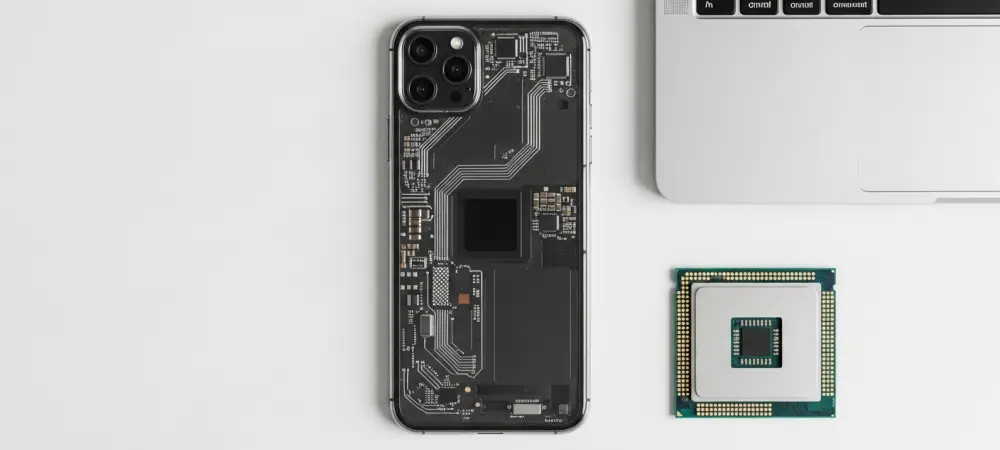
The shift to the 4nm Snapdragon 6 Gen 4 represents a calculated balance between raw power and thermal efficiency for a budget-friendly device. While this specific processor sits slightly below the Snapdragon 7s Gen 4 found in the pricier Phone (4a), it is specifically engineered to handle everyday multitasking without breaking a sweat. By utilizing this 4nm architecture, Nothing ensures that users get modern performance that keeps the interface snappy during heavy lifting. It allows the device to maintain a smooth flow across the system, which is crucial for a brand that prides itself on a lag-free experience.
How do you anticipate the combination of 8GB of RAM and the new Nothing OS 4.1 will redefine what consumers expect from a mid-range device?
Pairing 8GB of RAM with the clean, bloatware-free Nothing OS 4.1 based on Android 16 is a strong move for a device launching globally on July 7 at 11 AM BST. This specialized software approach means the system resources are dedicated entirely to user tasks rather than being drained by unnecessary background applications. With storage options scaling up to 256GB, users have plenty of physical room for high-resolution media and local data. This synergy creates a responsive feel that often makes mid-range hardware punch well above its weight class, offering a premium “clean” feel that is rare in this price bracket.
The design leaks mention a cost-saving plastic frame alongside a 6.7-inch Flexible AMOLED display; how does this choice influence the overall durability and visual appeal?
Opting for a durable plastic frame is a smart compromise that allows the company to invest more in the visual centerpiece: that large 6.7-inch Flexible AMOLED display. Despite the change in frame materials, the iconic transparent look remains the star of the show, appearing in Blue, Black, and White colorways. I am particularly impressed by the leaked photos of the Blue and Black variants which sport contrasting black accent buttons for a bit of extra character. The inclusion of a 120Hz refresh rate on such a large panel ensures that every scroll and animation feels silky, maintaining that futuristic aesthetic fans have come to love.
What are your thoughts on the rumored 6,000mAh battery and how it might change the daily usage patterns for the average smartphone user?
If the leaked system images are accurate, a 6,000mAh battery would be the largest ever featured in a Nothing smartphone, which is a massive leap from the standard 5,000mAh cells found in most competitors. When you combine that sheer capacity with the efficiency of the 4nm chip and 33W fast wired charging, you are looking at exceptional multi-day endurance. This means the average user can go from heavy photography sessions with the 50MP OIS main camera and 8MP secondary sensor to hours of video calls on the 16MP front camera without any “low battery” anxiety. It shifts the daily routine from a mandatory nightly charge to a much more flexible, worry-free cycle.
What is your forecast for the budget-friendly smartphone market given these aggressive hardware leaps?
I expect we will see a significant market shift where “budget” no longer implies a compromise on essential high-end features like display quality or massive battery life. The Phone (4b) is setting a new precedent by offering a high 120Hz refresh rate and a 50MP lens with optical image stabilization at a point that challenges the status quo. As these specs become the new baseline, other manufacturers will be forced to cut out their pre-installed bloatware and focus on optimized software to stay competitive. We are entering an era where the gap between mid-range and flagship is narrowing so rapidly that the average consumer will find it harder to justify spending double the price for marginal gains.