

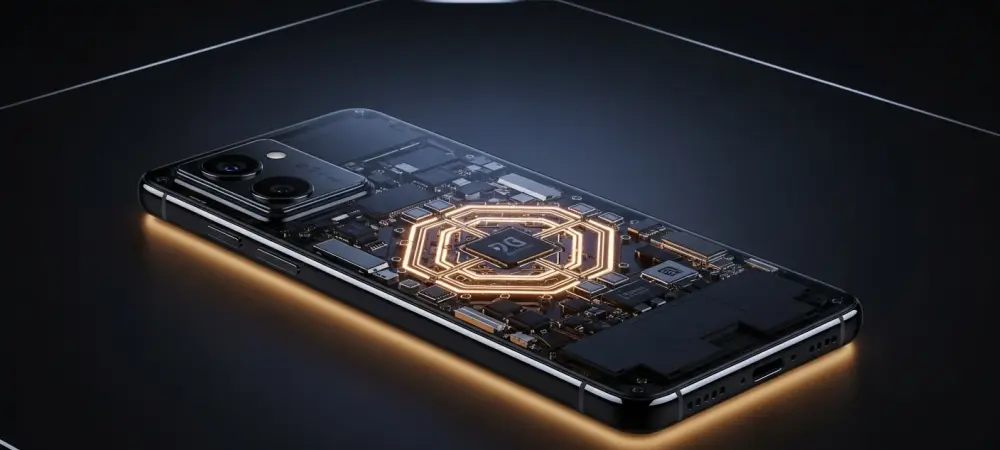
The Curtain Rises on Nothing’s Next Chapter
The methodical drumbeat of anticipation for Nothing’s next smartphone has crescendoed into a full-blown overture, moving from cryptic social media teasers to a revealing series of official certifications across the globe. This carefully managed build-up suggests the imminent arrival of not just a new device, but a new strategy. The forthcoming Phone 4a series represents a crucial pivot, aiming to translate the brand’s niche, design-forward appeal into mainstream market success. This is where the company moves beyond its enthusiast roots and competes for a wider audience.
At the heart of this strategy is the “(a)” series, a designation that signifies a more accessible price point without, presumably, sacrificing the core identity that defines Nothing. For the brand, this is a pivotal moment; a successful launch could solidify its position as a serious contender in the hyper-competitive mid-range sector. As leaks and official filings converge, a clearer picture of the Phone 4a and its more powerful Pro sibling is emerging, pointing toward a launch date that is now just around the corner.
Decoding the Leaks and Confirmations
Unpacking the Pro-Level Performance Engine
Initial benchmark leaks for the Phone 4a Pro have offered a tantalizing glimpse into its processing capabilities, pointing toward the use of a Qualcomm Snapdragon 7s Gen 4 chipset. This particular silicon is notable for its unique core architecture, reportedly featuring a single prime core clocked at 2.71GHz, complemented by three performance cores and four efficiency cores. Such a configuration is designed to balance raw power with energy efficiency, promising a smooth experience for both demanding applications and everyday tasks.
Further analysis of the benchmark data raises both excitement and questions. The inclusion of 12GB of RAM aligns with expectations for a modern, performance-oriented mid-range device, but the mention of Android 16 is an eyebrow-raising detail that suggests the tested unit may have been a prototype running future software. This ambiguity leads to a crucial debate: are these leaked specifications reflective of the final consumer product, or are they an early look at a device still undergoing significant software and hardware refinement?
Pinpointing the Global Launch Strategy
The appearance of a new Nothing device on certification databases like the EEC in Europe, the TDRA in the UAE, and the BIS in India is more than a formality; it is a clear statement of intent. These filings collectively confirm that the Phone 4a series is being prepared for a multi-region release, a strategic move essential for capturing meaningful market share. This broad approach indicates Nothing is confident in its supply chain and its product’s global appeal.
Moreover, the persistent rumor of a March 5 launch date adds a sense of urgency to the proceedings. If accurate, this timing would strategically place the Phone 4a in the market just ahead of major summer releases from competitors, giving it a valuable window to attract consumer attention. By positioning this series to directly challenge established mid-range players, Nothing is betting that its unique blend of design and performance can disrupt the status quo.
The Aesthetic Riddle of Color and Form
A fascinating contradiction has emerged regarding the Phone 4a’s appearance. On one hand, detailed leaks suggest a conservative palette, with the standard model offered in Black and White and the Pro version in Black and Silver. This aligns with Nothing’s established monochromatic and minimalist design language, which has been a cornerstone of its brand identity since its inception.
In stark contrast, however, an official teaser from the company hinted at a far more vibrant and diverse color spectrum, including shades of blue, pink, and yellow. This raises compelling questions about the brand’s aesthetic evolution. One plausible scenario is that Nothing plans to use color to differentiate its product tiers, reserving the more playful hues for the standard 4a while maintaining a premium, subdued look for the Pro. This would challenge the assumption that the company is unalterably wedded to its black-and-white roots for its entire lineup.
Differentiating the Standard and Pro Experiences
Beyond the chipset, the separation between the Phone 4a and 4a Pro will be critical to the series’ success. Leaks suggest a common starting point, with a base configuration of 8GB of RAM and 128GB of storage for both models, reportedly utilizing UFS 3.1 technology for faster read and write speeds. This shared foundation ensures that even the standard model delivers a baseline experience consistent with the brand’s premium feel. The key challenge for Nothing will be creating meaningful differentiation that justifies a price gap between the two models. This could manifest in areas beyond raw performance, such as camera systems, display quality, or subtle design flourishes. These hardware choices represent a delicate balancing act, aiming to keep the entry-level model accessible without devaluing the signature Nothing experience, while simultaneously offering compelling upgrades for those willing to invest in the Pro variant.
Your Guide to the Nothing Phone 4a Launch
As the official announcement approaches, the most critical takeaways for prospective buyers center on the confirmed launch window, the powerful chipset rumored for the Pro model, and the lingering questions surrounding the final design. The evidence strongly points to a device poised to deliver high performance in the mid-range category, but the ultimate aesthetic and the specific differences between the standard and Pro versions remain the biggest variables. For those considering a purchase, the official launch event will be the moment to watch for final confirmation on camera specifications, display technology, and, crucially, pricing.
When making a choice between the two models, the decision will likely hinge on individual priorities. Based on current information, the Phone 4a Pro appears tailored for users who demand higher performance for gaming and multitasking, thanks to its superior chipset and higher RAM configuration. Conversely, the standard Phone 4a will likely appeal to those who prioritize the unique Nothing design and user experience at a more accessible price point, without needing top-tier processing power.
The Final Verdict on the Horizon
Ultimately, the Nothing Phone 4a series represents the company’s most ambitious bet yet on bringing its design-first philosophy to a mass audience. This launch is less about a single product and more about proving that thoughtful design and a curated user experience can thrive in the crowded and often utilitarian mid-range market. The potential for a successful launch to reshape consumer expectations in this segment is significant.
A positive reception could force established competitors to reconsider their own approach to design and software, potentially sparking a new wave of innovation in affordable devices. The central question that remains is whether the Phone 4a will be the disruptive force the market needs—a device that not only sells well but also fundamentally redefines what consumers should expect from a smartphone that does not command a flagship price.