
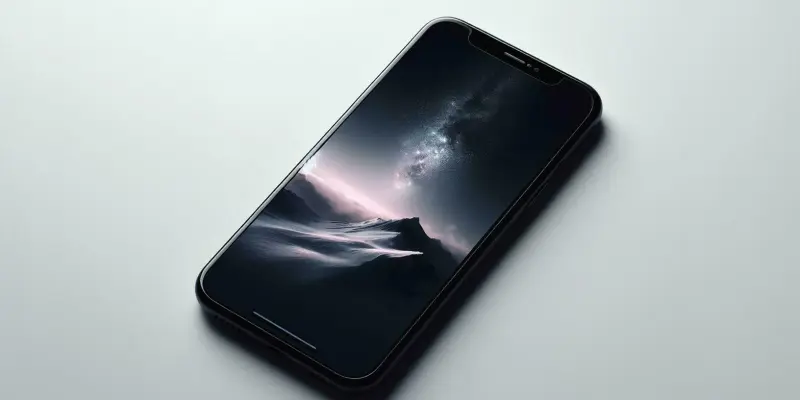
Nothing Launches CMF Phone 2 Pro with Impressive Upgrades

Article Highlights
Off On

Nothing’s unveiling of the CMF Phone 2 Pro introduces an intriguing new player in the budget smartphone market. Priced at $279, it follows the extraordinary release of the CMF Phone 1 with notable enhancements that spark interest among consumers. At first glance, the CMF Phone 2 Pro promises high-value features that cater to today’s tech-savvy users. The most striking upgrade is its display: a 6.77-inch Full-HD+ AMOLED screen offers vivid colors and a seamless viewing experience, enhanced by a 120Hz adaptive refresh rate and HDR10+ support. This advancement makes it a contender against devices typically commanding higher price points, suggesting an aggressive approach by Nothing to dominate mid-range categories. Under the hood, it features a MediaTek Dimensity 7300 Pro chip paired with 8GB of RAM, ensuring smooth performance for everyday tasks. Buyers can choose between 128GB and 256GB of storage, although only 256GB variants are available in the United States.

Connectivity and Performance

Beyond just appealing looks, the CMF Phone 2 Pro excels in connectivity with 5G, Wi-Fi 6, and Bluetooth 5.3 support, making it suitable for today’s tech-savvy users. Notably, its camera system shines with a 50MP primary sensor ensuring detailed photographs, complemented by telephoto and ultra-wide lenses for diverse shots. It also features a 16MP front camera for clear selfies and video calls. The phone boasts a robust 5,000mAh battery allowing for prolonged use, and supports fast charging—highlighting practicality. Running on Nothing OS 3.2, rooted in Android 15, users are guaranteed three years of software updates and six years of security patches. Despite impressive specifications, its limited 5G compatibility on major U.S. networks like Verizon and T-Mobile raises concerns about connectivity reliability. Buyers must consider these 5G band support limitations, even with attractive features. Ultimately, while the CMF Phone 2 Pro offers much, users should evaluate network compatibility against personal usage needs.

Explore more

Is Windows 11 Becoming the Ultimate Developer Platform?

The traditional rivalry between operating systems has shifted from a simple battle of market shares to a sophisticated competition over which environment provides the most seamless experience for the people who actually build the modern web. At the Microsoft Build 2026 conference, the tech giant signaled a major shift in how Windows 11 serves the engineering community, moving beyond consumer-facing

Why Use Local AI to Refine Your Cloud Prompts?

Advanced practitioners in the field of artificial intelligence are rapidly moving away from the simplistic habit of relying on a single cloud-based chatbot for every creative or technical requirement, opting instead for a sophisticated multi-tiered workflow. Rather than sending every query directly to premium cloud services, users are increasingly utilizing local models as preliminary assistants to address the inherent flaws

Can UiPath Bridge the Gap Between AI Hype and Execution?

The enterprise automation landscape is currently witnessing a paradoxical struggle where technical brilliance and high-value software solutions are clashing with a skeptical investment community that demands immediate monetization of artificial intelligence. While the sector has long been synonymous with Robotic Process Automation, the shift toward generative AI has forced a re-evaluation of long-term market dominance. Investors are no longer captivated

Google Merges Display Ads and Demand Gen for Small Businesses

Navigating the increasingly complex ecosystem of digital advertising has long remained a significant barrier for small business owners who lack dedicated marketing departments. Google has addressed this challenge by streamlining its promotional ecosystem through the integration of traditional Display Ads with the more dynamic Demand Gen campaigns. This strategic shift reflects a broader industry trend toward AI-driven automation, where the

Is Your Front Desk the Newest Weak Link in Cybersecurity?

As sophisticated digital defenses become increasingly difficult for hackers to bypass, the physical reception area has emerged as a surprisingly effective entry point for those seeking unauthorized access to corporate networks. While cybersecurity teams spend millions on firewalls and advanced encryption, a visitor with a simple clipboard and a plausible back story can often walk past the most expensive security