

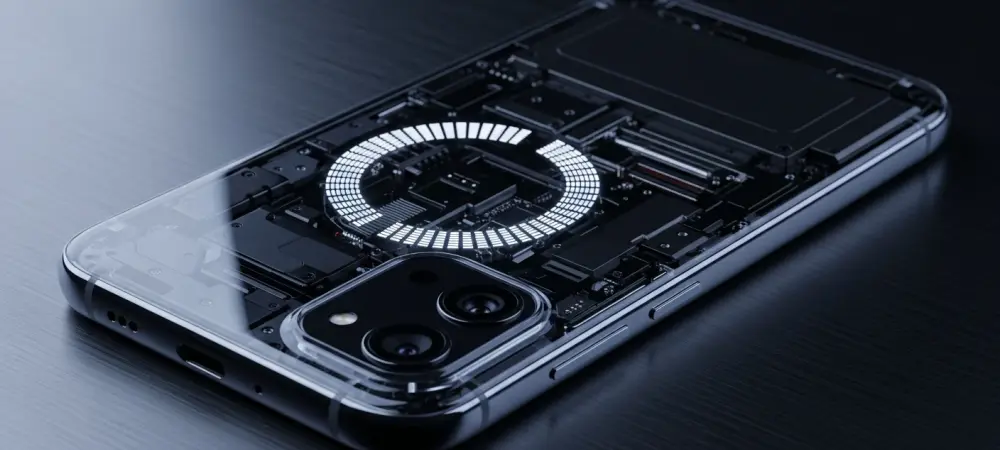
The sudden reveal of the Nothing Phone 4a and 4a Pro has sent ripples through the tech community, signaling a definitive end to the company’s experimental phase and the start of a serious market assault. Within just a few years, Nothing has successfully transitioned from a niche startup known for transparent gadgets into a formidable global smartphone contender. This evolution is most apparent in the brand’s shift away from minor, incremental updates toward a sophisticated, two-tier product strategy. By separating the standard and Pro experiences, the manufacturer is no longer just selling a design aesthetic but is instead building a tiered ecosystem that caters to both value-conscious buyers and performance enthusiasts.
Industry observers point out that this latest release balances iconic visual identities with high-performance hardware, marking a strategic entry into the North American market. In the past, the “a-series” served as a budget-friendly alternative with significant compromises, but the current generation proves that mid-range devices can possess flagship-level polish. The dual-model approach allows for a broader reach, ensuring that the brand maintains its cult-like following while appealing to mainstream consumers who demand reliability and power. As the company expands its footprint, it challenges the status quo by proving that innovation does not always require a four-figure price tag.
Redefining the Mid-Range Experience Through Bold Innovation
Nothing’s trajectory in the smartphone landscape has been nothing short of meteoric, evolving from a disruptor with a single product to a brand with a comprehensive portfolio. This growth was driven by a commitment to transparency—both in design and business practice—which resonated with a generation tired of monolithic tech giants. The introduction of the 4a series represents a pivot toward maturity, where the hardware finally matches the ambitious marketing. By refining the supply chain and focusing on core user needs, the company has managed to scale its operations without losing the unique soul that made its early products stand out. The decision to implement a two-tier strategy is a calculated move to capture a larger slice of the global market. While the standard 4a focuses on efficiency and accessibility, the 4a Pro aims for a “premium mid-range” segment that has been largely neglected by competitors. This separation allows for distinct marketing narratives: one centered on the essential Nothing experience and another on uncompromised performance and materials. Such a bifurcation ensures that the brand can compete with both entry-level champions and established flagship “lite” models, providing a clear path for user upgrades within the same ecosystem.
Furthermore, the strategic launch into the United States highlights a newfound confidence in the brand’s service and support infrastructure. Breaking into the North American market is a notorious challenge for smaller manufacturers, yet the 4a Pro arrives with the necessary bands and carrier certifications to make a legitimate impact. By offering a high-performance alternative to the dominant players, Nothing is positioning itself as the primary choice for users who want something different without sacrificing the convenience of a local retail presence. This geographical expansion is perhaps the strongest indicator yet that the company is ready for the big leagues.
A Tale of Two Tiers: Breaking Down the Hardware and Design Philosophy
The Pro Evolution: Metal Craftsmanship and Flagship Aspirations
The 4a Pro marks a significant departure from the plastic-heavy designs usually associated with mid-tier devices. By utilizing a premium 7.95mm metal unibody, Nothing has achieved a level of structural rigidity and hand-feel that was previously reserved for its top-end models. This transition is not merely cosmetic; the metal chassis acts as a more effective heat sink and provides superior long-term durability against the rigors of daily use. Despite the increase in material density, the engineering team successfully kept the device thin, ensuring that the premium feel does not come at the cost of ergonomic comfort. Performance on the Pro model is anchored by the Snapdragon 7 Gen 4, a chipset that provides a massive leap over previous mid-range silicon. To keep this power in check, the device incorporates a 5,300mm² vapor chamber, a thermal solution that is exceptionally large for this category. This focus on thermal efficiency means that the phone can maintain high frame rates during gaming and fast processing during video exports without the aggressive throttling seen in cheaper rivals. Modernized memory standards, specifically LPDDR5X and UFS 3.1, further ensure that the software remains responsive even under heavy multitasking loads.
Safety and environmental resistance have also been re-evaluated with the inclusion of an IP65 rating. While many flagship phones aim for IP68, Nothing has taken a transparent approach to its durability claims, specifically stating the device can survive submersion at a depth of 25cm for 20 minutes. This level of specificity is rare in an industry that often relies on vague marketing terms, offering users a realistic understanding of what their device can handle. It reflects a design philosophy that prioritizes real-world protection and honest communication over chasing meaningless specification trophies.
Display Excellence: Peak Brightness and Visual Fluidity
Visual performance is a primary differentiator between the two models, with the Pro variant sporting a massive 6.83-inch 144Hz panel. This high refresh rate provides a level of smoothness that is immediately noticeable when scrolling through social feeds or playing fast-paced mobile titles. In contrast, the standard model utilizes a 120Hz screen, which remains highly competitive for its price point but lacks the extreme fluidity of its sibling. Both screens represent a peak in display technology for the mid-range segment, pushing the boundaries of what consumers should expect from non-flagship devices. Perhaps the most startling specification is the 5,000-nit peak brightness capability on the Pro model, which ensures perfect legibility even under direct, harsh sunlight. To support this intensity without compromising longevity, Nothing opted for Gorilla Glass 7i, a material designed specifically to provide high scratch resistance and impact protection for high-performance displays. Furthermore, the inclusion of 2,160Hz PWM dimming addresses a growing concern among tech enthusiasts regarding eye strain. By reducing screen flicker at lower brightness levels, the company demonstrates a holistic commitment to user health that many larger manufacturers overlook.
These display specifications effectively position the 4a series against flagship competitors that often cost twice as much. When a mid-range phone offers better brightness and refresh rates than many “pro” models from other brands, the value proposition becomes difficult to ignore. This aggressive hardware strategy forces the rest of the industry to reconsider their pricing structures. For the consumer, it means that high-end visual experiences are no longer locked behind a thousand-dollar paywall, making top-tier media consumption more accessible than ever before.
Revolutionizing Mobile Photography with Universal Periscope Lenses
Photography has traditionally been the area where mid-range phones struggle the most, but the 4a series attempts to democratize high-end zoom technology. Both the standard and Pro models feature a 50MP periscope telephoto lens, a hardware choice that is almost unheard of at these price points. This allows for 3.5x optical zoom and impressive digital reach without the loss of detail typically associated with digital cropping. By including this hardware across both tiers, Nothing ensures that every user has access to versatile focal lengths, regardless of which model they choose.
The divergence in camera quality comes down to the primary sensors and image processing pipelines. The Pro model benefits from the Sony Lytia 700c, a sensor known for its exceptional dynamic range and low-light performance, while the standard variant utilizes the Samsung GN9. This distinction means that while both phones can take great photos, the Pro will consistently deliver better results in challenging lighting conditions. Moreover, the Pro model supports 4K Ultra XDR video processing, a feature that provides professional-grade color grading and highlights that the standard model cannot match due to its 1080p processing limitation for XDR.
Software also plays a massive role in the photographic experience, as the new image signal processors handle data differently across the two chipsets. The Pro’s Snapdragon 7 Gen 4 allows for more complex AI-driven enhancements, resulting in more natural skin tones and better edge detection in portrait mode. Meanwhile, the standard 4a focuses on reliable, fast captures that prioritize color accuracy and social-media-ready contrast. This tiered approach to imaging ensures that while the core hardware is impressive for everyone, those who take mobile photography seriously have a clear reason to opt for the more expensive model.
The Glyph Identity: Matrix versus Bar in Nothing OS 4.1
The iconic Glyph Interface remains the centerpiece of Nothing’s design language, but it has been reimagined for the 4a series with two distinct iterations. The Pro model features the Glyph Matrix, an intricate circular arrangement of 137 LEDs that offers granular control for notifications and timer visualizations. In contrast, the standard model uses the Glyph Bar, a simpler but remarkably bright linear arrangement of 63 LEDs. This distinction allows the Pro to feel more like a sophisticated tool, while the standard model acts as a bold, high-visibility statement piece that stands out in any environment.
Nothing OS 4.1 ties these hardware elements together, offering a software experience that is clean, fast, and deeply integrated with the Glyph system. The company has made an ambitious promise of long-term support, offering three years of major Android updates and six years of security patches, which is a significant commitment for a mid-range device. This longevity is bolstered by battery innovations, including a specialized 5,400mAh variant for the Indian market and a 5,080mAh cell for global users. The focus here is on endurance, with the manufacturer claiming that these batteries will maintain 90% of their original capacity even after 1,200 charge cycles.
This focus on software and battery longevity shifts the narrative away from planned obsolescence toward a more sustainable user experience. By ensuring the phone stays fast and the battery stays healthy for several years, Nothing is building trust with its user base. The Glyph Interface, while often dismissed as a gimmick by critics, has evolved into a functional notification hub that reduces screen time by providing essential information at a glance. It is this combination of unique aesthetic and practical utility that defines the modern Nothing experience, setting it apart from the sea of identical glass rectangles.
Navigating the New Nothing Ecosystem: Strategy and Market Recommendations
Choosing between the two models requires a careful evaluation of one’s daily habits and performance requirements. The standard 4a is an efficiency champion, perfect for users who prioritize battery life, a lightweight feel, and a clean software experience without needing extreme processing power. It offers the core Nothing identity and the impressive periscope lens at a price point that is highly accessible. For students or general consumers who want a reliable device that looks different from everything else on the market, the standard model provides the best value for the money. The Pro model, however, is a different beast entirely, catering to those who want a flagship experience without the flagship price. The metal unibody and 144Hz display make it a direct competitor to much more expensive phones, and the US launch makes it a viable option for a whole new audience. Users who engage in heavy mobile gaming, frequent video recording, or simply appreciate the feel of premium materials will find the extra investment in the Pro version to be well worth it. It is a device that feels designed to last, both in terms of physical build and internal specifications.
Potential buyers should use a specific checklist when deciding, particularly regarding storage and display needs. If high-speed UFS 3.1 storage and the ultra-smooth 144Hz refresh rate are non-negotiable, the Pro is the only logical choice. Furthermore, regional availability plays a major role; since the Pro is the primary model being pushed in the United States, American consumers will find it much easier to acquire and service. Ultimately, the decision comes down to whether one views their phone as a simple utility or as a high-performance tool that defines their digital lifestyle.
Setting a New Standard for Affordable Premium Technology
The arrival of the 4a and 4a Pro successfully bridged the gap between experimental design and mainstream utility, proving that Nothing has reached a state of industrial maturity. These devices demonstrated that a company can maintain its unique creative vision while simultaneously delivering the hardware specs that power users demand. By offering premium features like periscope lenses and metal builds in the mid-range segment, the brand forced the entire industry to re-evaluate what consumers should expect for their money. The tiered strategy allowed the company to speak to different audiences without diluting the core message of transparency and innovation.
Expansion into the North American market signaled a bold new chapter that threatened the dominance of established smartphone giants. The competitive pricing and distinctive look of the 4a Pro provided a refreshing alternative in a market often criticized for its lack of variety. This move suggested that Nothing was no longer content being a boutique brand and was instead ready to capture significant global market share. The positive reception from tech enthusiasts and general consumers alike indicated that there was a strong appetite for a brand that prioritized both form and function. This tiered approach signaled a secure, long-term future for the Nothing brand as it solidified its place in the global tech hierarchy. The focus on long-term software support and battery health showed a commitment to user satisfaction that went beyond the initial sale. As the 4a series integrated into the lives of millions, it paved the way for even more ambitious projects. The legacy of these devices was not just in their specifications, but in how they shifted the conversation toward a more thoughtful and design-led approach to mobile technology. Actions taken during this launch cycle established a blueprint for how a modern tech company could thrive by challenging conventions.