

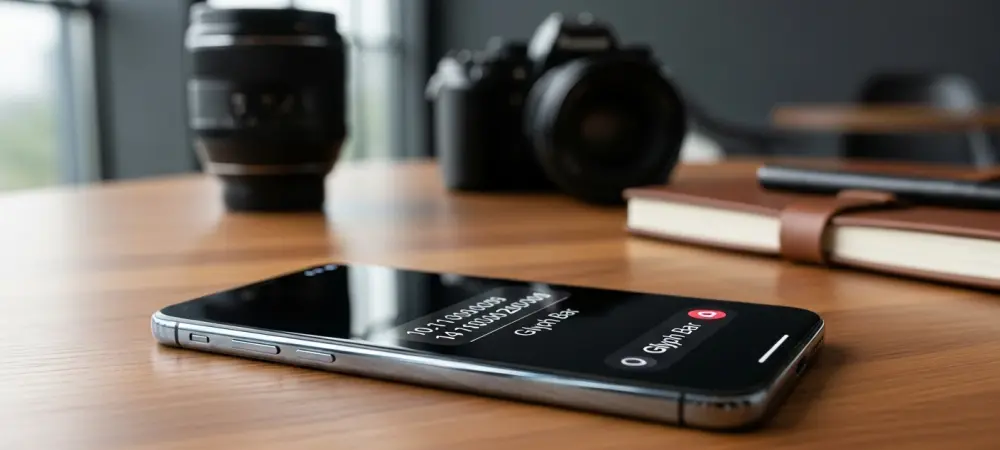
The global smartphone market has reached a point of saturation where most mid-range devices feel like recycled versions of their predecessors, yet Nothing continues to disrupt this cycle. While many manufacturers are content with incremental updates and safe designs, the release of the Nothing Phone (4a) signals a bold shift toward accessible luxury. By offering a refined experience for €350, the company challenges the notion that consumers must spend nearly a thousand euros to own a device that feels special and technologically current.
Can a €350 Smartphone Outshine the Industry Giants?
The value proposition of the Nothing Phone (4a) rests on its ability to balance cost with a high-end feel. Unlike many competitors that compromise on the unboxing experience to save pennies, this model includes a protective case alongside the signature SIM tool and USB-C cable. This approach suggests a respect for the consumer that is often missing in the budget-conscious segments of the industry. It proves that a lower price point does not have to equate to a “cheap” or stripped-back ownership experience.
Furthermore, the longevity promised with this release sets a new standard for the mid-range tier. Offering six years of security patches and three major OS updates ensures that the hardware remains relevant well into the future. This commitment effectively bridges the gap between affordable handsets and flagship models, making the (4a) a formidable rival to established giants who often reserve such long-term support for their most expensive offerings.
The Growing Demand for Personality in a Sea of Uniformity
Modern consumers are increasingly fatigued by the identical glass slabs that dominate store shelves. The Phone (4a) addresses this by leaning into a playful yet sophisticated aesthetic, available in striking colors like Blue and Pink alongside the classic Black and White. The semi-transparent plastic frame is not just a cost-saving measure; it provides a lightweight, tactile quality that distinguishes the phone from the cold, heavy metal of its competitors.
This design philosophy extends to the internal culture of the device. By prioritizing a distinct visual identity, the brand taps into a demographic that views technology as an extension of personal style. The result is a handset that feels alive and intentional, rather than a mass-produced tool. This personality serves as a primary draw for those who want their technology to reflect a more creative and less corporate outlook on digital life.
Unpacking the Hardware: Peak Brightness and Efficient Performance
Beneath the stylish exterior lies a surprising amount of technical muscle. The 6.78-inch 120Hz display is the centerpiece, featuring an extraordinary peak brightness of 4,500 nits that ensures visibility even under the harshest direct sunlight. Powering the experience is the 4nm Snapdragon 7s Gen 4 chipset, which provides a 10% boost in efficiency over previous iterations. This efficiency, paired with a substantial 5,080mAh battery, allows the device to easily handle a full day of heavy use without anxiety.
Memory and storage configurations further bolster the hardware’s credibility. The 256GB variant utilizes faster UFS 3.1 technology, ensuring that app launches and file transfers feel snappy and responsive. While the 50W wired charging is not the fastest on the market, it remains highly competitive for the price bracket. These specifications indicate that the (4a) is built for performance and endurance rather than just being a pretty face in a crowded market.
Aesthetics Meets Utility through the Glyph Bar and Nothing OS
The “Glyph Bar” remains the most recognizable feature of the brand, but in the (4a), it evolved into a more functional tool. With 63 LEDs spread across six segments, the interface provides visual cues for timers, notifications, and volume levels without requiring the user to wake the screen. A dedicated red tally light for video recording adds a professional touch, signaling to both the user and the subject when the camera is active. It is a rare example of a hardware gimmick that actually adds value to daily interactions.
Software integration also took a step forward with the inclusion of an “Essential Key” for on-screen cataloging and unique tools to monitor AI usage. Nothing OS maintains its reputation for being clean and bloatware-free, allowing the unique dot-matrix aesthetic to shine. These features combined to create a cohesive environment where the hardware and software felt like they were designed in tandem rather than being forced together.
Determining if the (4a) is the Ideal Upgrade for Your Lifestyle
Deciding between the standard model and the “Pro” variant required a look at individual priorities. While the Pro offered a metal frame and a 144Hz display for an extra €150, the standard (4a) provided the core experience that most people actually needed. It functioned as a highly capable daily driver that did not sacrifice style for the sake of utility. The device proved that the most important features could be delivered efficiently without unnecessary markups. Ultimately, the choice to adopt this hardware represented a move toward more mindful consumption. It invited users to consider whether the marginal gains of a flagship were worth the massive price hike. By focusing on a high-quality display, long-term software support, and a unique interface, the (4a) carved out a niche that favored practical innovation over traditional brand loyalty. This shift suggested a future where value and personality could finally coexist in the palm of a hand.