

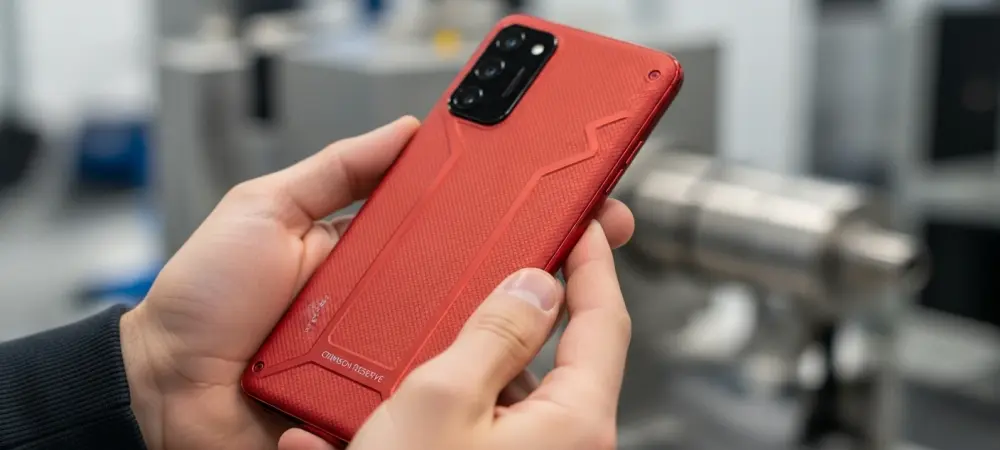
Choosing between regional smartphone variants often feels like a gamble where consumers must weigh local exclusivity against international standards. Xiaomi India recently shifted this dynamic by unveiling the Redmi Note 15 Special Edition, a device that challenges the traditional global release strategy. By partnering with Flipkart, the brand has created a product that specifically targets the nuances of the Indian market, blending Chinese battery innovations with a refined aesthetic that stands apart from the standard Global Model found in other territories. This localized strategy reflects a growing trend where hardware is no longer a one-size-fits-all solution. While the Global Model aims for broad appeal with high-resolution numbers, the Special Edition serves as a curated alternative. It represents a strategic fusion designed to satisfy users who value physical craftsmanship and endurance over the generic specifications often found in mass-market international releases.
Evolution of the Redmi Note 15 Series and Market Positioning
The roadmap for the Redmi Note 15 series highlights Xiaomi’s commitment to regional customization. By launching the Special Edition through Flipkart, the company has successfully bridged the gap between its high-capacity Chinese hardware and the design expectations of Indian consumers. This approach moves away from a uniform global identity toward a more segmented market presence.
In contrast, the Global Model remains the baseline for international regions, prioritizing standardized components that facilitate easier mass production and distribution. This creates a fascinating divergence where the Special Edition acts as a premium outlier. It is positioned not just as another mid-range phone, but as a specialized tool for a specific demographic that demands a more tailored mobile experience.
Divergent Hardware Specifications and User Experience
Aesthetic Design and Build Materials
The most immediate distinction lies in the tactile experience. The Special Edition introduces the “Crimson Reserve” finish, utilizing a vegan leather texture that provides a premium, slip-resistant grip. This variant measures 7.82mm in thickness, offering a substantial yet balanced feel. While the Special Edition also offers Carbon Black and Frosted White, the leather option defines its luxury identity.
The Global Model generally sticks to traditional glass or polycarbonate finishes, which, while sleek, lack the unique character of the Crimson Reserve. Those opting for the global version might find a slightly slimmer profile in some finishes, yet they miss out on the specific “Special Edition” flair. The choice here is between a standard, widely recognizable look and a more artisanal, regional statement piece.
Battery Capacity and Longevity Standards
Endurance is where the Special Edition truly pulls ahead. It houses a massive 5,800mAh battery, significantly larger than the 5,520mAh cell found in the Global Model. With 45W fast charging, the Special Edition is built for heavy usage, claiming up to 44 hours of runtime. Moreover, Xiaomi guarantees five years of battery health, ensuring the device remains reliable well into the future.
The Global Model, though respectable in its power management, cannot match this level of raw capacity or long-term health assurance. For users who are constantly away from a power outlet, the Special Edition offers a peace of mind that the standard international version simply does not provide. This makes the Indian variant a superior choice for those who view battery life as their primary technical requirement.
Camera Systems and Imaging Priorities
Imaging philosophies differ sharply between these two versions. The Global Model leverages a 108MP high-resolution sensor, appealing to users who believe more megapixels equate to better photos. On the other hand, the Special Edition utilizes a 50MP primary sensor capable of 4K video. While the megapixel count is lower, the sensor configuration is optimized for better processing and video stability.
This trade-off forces a decision between raw detail and functional quality. The 108MP setup is excellent for large prints or heavy cropping, but the Special Edition’s 50MP sensor often provides a more balanced dynamic range and superior video performance. It highlights a shift in focus from marketing-friendly numbers to practical, everyday imaging reliability.
Operational Challenges and Regional Considerations
Despite its advantages, the Special Edition is strictly bound by regional exclusivity, making it difficult for international enthusiasts to acquire. Those outside of India must rely on the Global Model, even if they prefer the leather finish or the larger battery. Furthermore, both devices share the Snapdragon 6 Gen 3 chipset, meaning that regardless of the version, the underlying processing power remains identical.
A potential drawback for photography enthusiasts is the cap on resolution for the Special Edition. Users who have grown accustomed to the ultra-high detail of 108MP sensors may find the 50MP limit restrictive, even with the benefit of 4K video. This tension between battery endurance and camera resolution remains the most significant hurdle for prospective buyers evaluating these two distinct paths.
Final Summary and Purchasing Recommendations
The comparison revealed that the Special Edition was the better fit for those valuing tactile luxury and extreme battery longevity. Its vegan leather finish and 5,800mAh capacity provided a level of endurance that the Global Model could not replicate. This version was ideal for a long-term commitment, especially with the five-year health guarantee. The Global Model remained the logical choice for users who prioritized high-resolution photography above all else. For those needing the 108MP sensor for detailed image capture, the international version served its purpose effectively. Ultimately, the decision depended on whether a user preferred the specialized, rugged luxury of the Indian variant or the standard high-spec imaging of the global release.